

2016 commemorates Shakespeare’s 400th death anniversary, honoring the man behind the greatest works of immortal literature. From the Royal Shakespeare Company’s events and performances to the BBC’s Shakespeare Festival, this year, the whole world celebrates Shakespeare's impact on our global culture. Honoring the spirit of Shakespeare, Bollywood, India’s booming movie industry, has produced many spectacular adaptations over the years. However, Bollywood’s ties to Shakespeare stretch further back than recent years and expand beyond mere adaptation; the very inception of Hindi cinema was brought about from the Parsi theater tradition, which was borrowed from European, Persian, and Sanskrit sources.
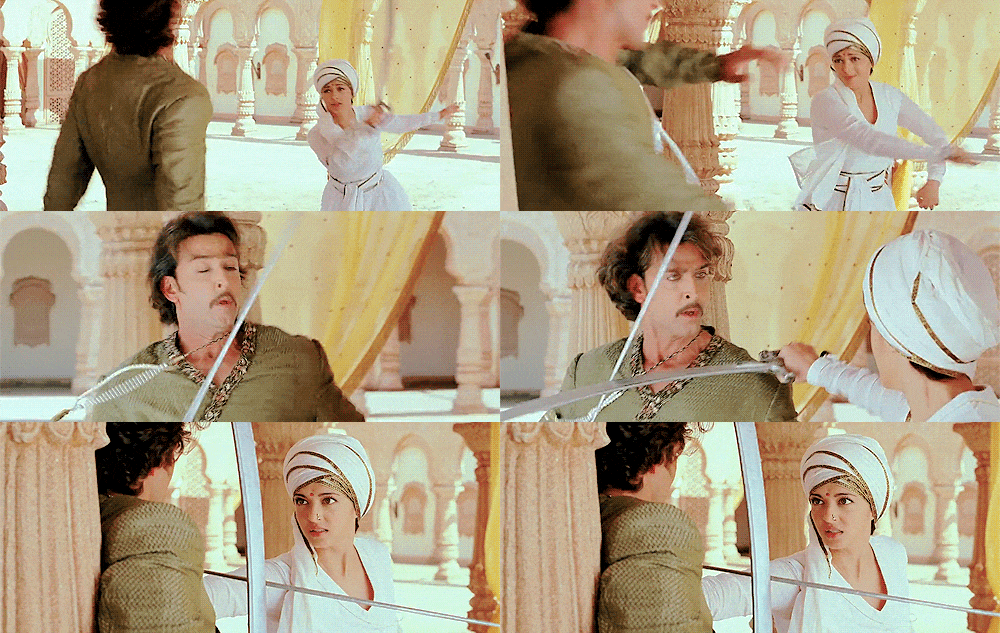
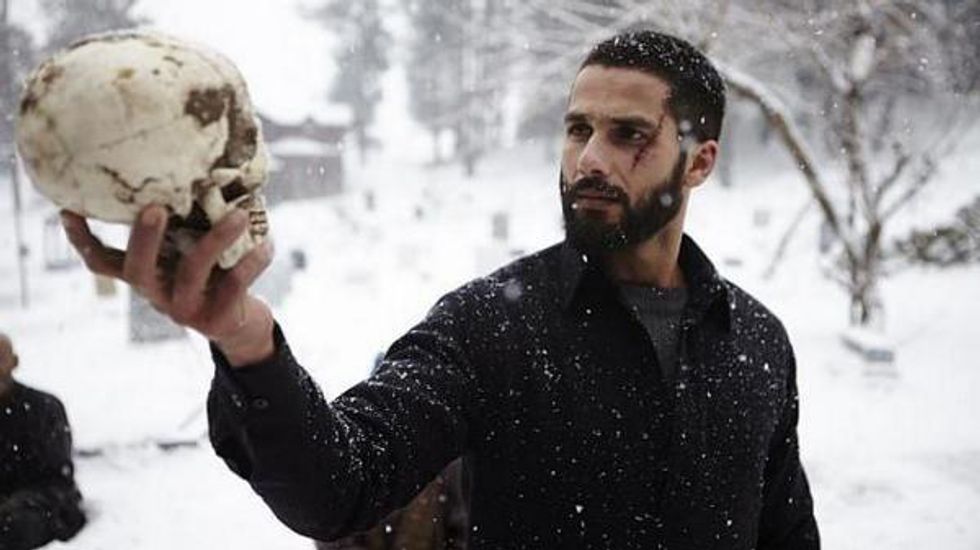
Naseeruddin Shah, a renowned Bollywood actor who has taken on Shakespeare in several adaptations and on stage performances, says, “The roots may look lost, but every big story in the Hindi film industry is from Shakespeare.” Including plot devices such as the star-crossed lovers, warring families, and class tensions, Bollywood movies are the perfect setting for Shakespeare’s plays, utilizing a rich cultural backdrop to convey timeless stories. While the first proper adaptation of Shakespeare’s plays appeared in Bollywood around 1925 with Baburao Painter’s “Savkari Pash,” recent adaptations stand out as fantastic tributes to the Bard. Vishal Bhardwaj, renowned Bollywood director, completed his Shakespeare trilogy with "Maqbool” ("Macbeth"), “Omkara” ("Othello"), and “Haider” ("Hamlet"), produced in 2004, 2006, and 2014, respectively.
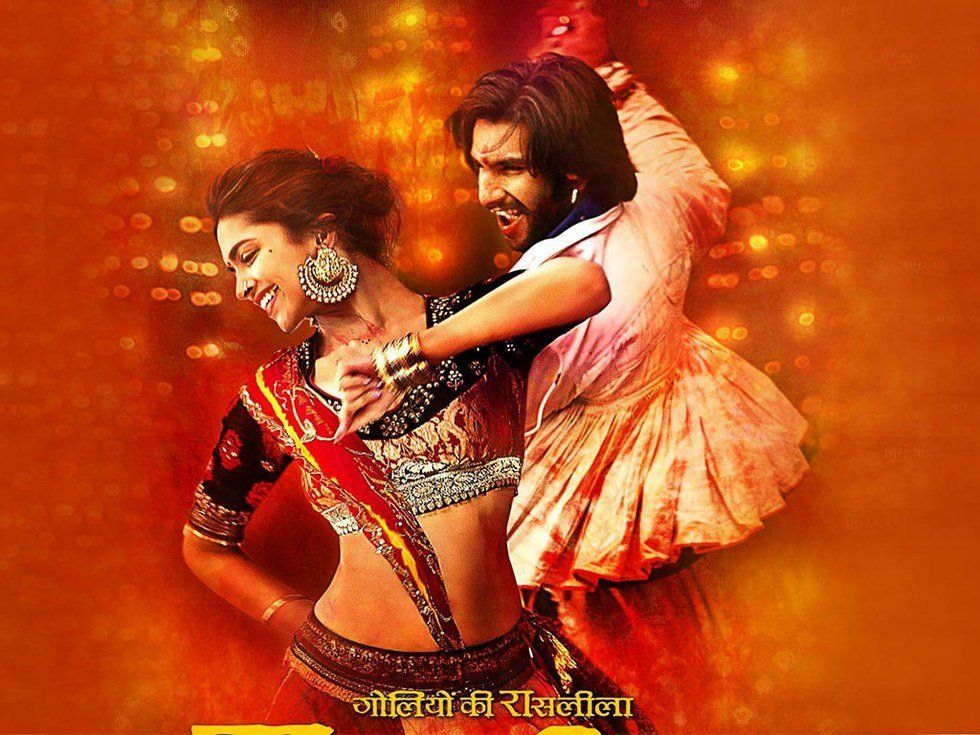
"Romeo and Juliet," adapted several times in Hollywood cinema, has become a template for many Bollywood love stories. One such adaptation, Sanjay Leela Bhansali’s “Ram Leela,” stole the spotlight in 2013. This vibrant film highlights the enmity between two warring criminal families, “in fair Gujrat where we lay our scene.” Deepika Padukone and Ranveer Singh, the stars of "Ram Leela," bring a unique energy to the film, offering up a very different interpretation of the play.
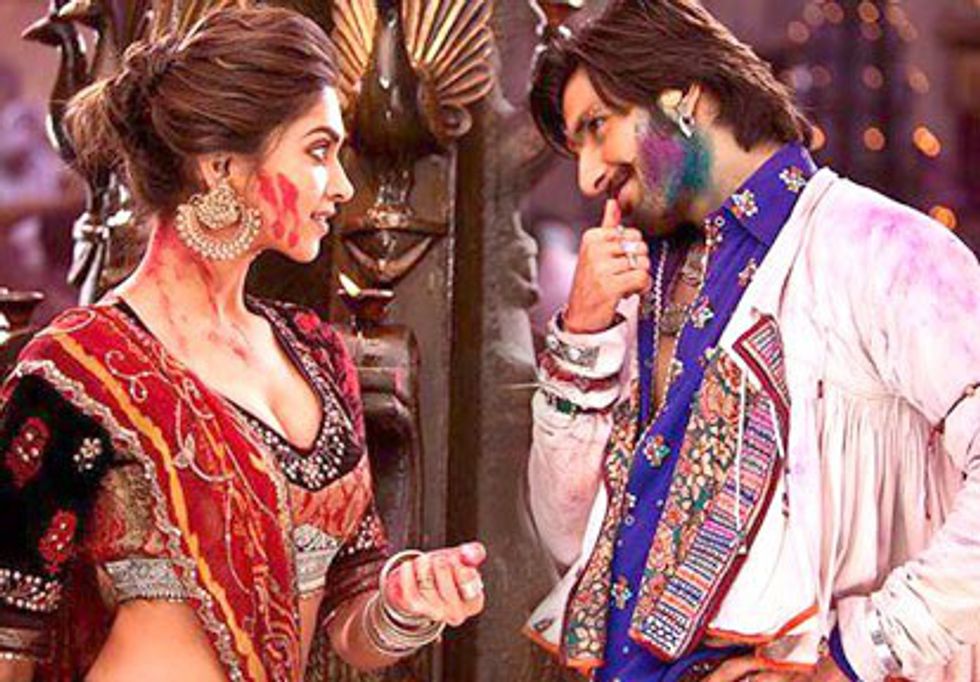
From the beautiful costumes to dance choreography to the soundtrack, "Ram Leela" is an aesthetically pleasing production. Tying together Shakespeare’s plot with a trademark of Hindi cinema, the movie contained several dance numbers, which made for a fantastic way to move the emotional journey of the characters along. The innovative use of songs and dance numbers in this movie provided for character depth that dialogue alone could not have achieved, specifically in the development of Ram and Leela’s relationship.
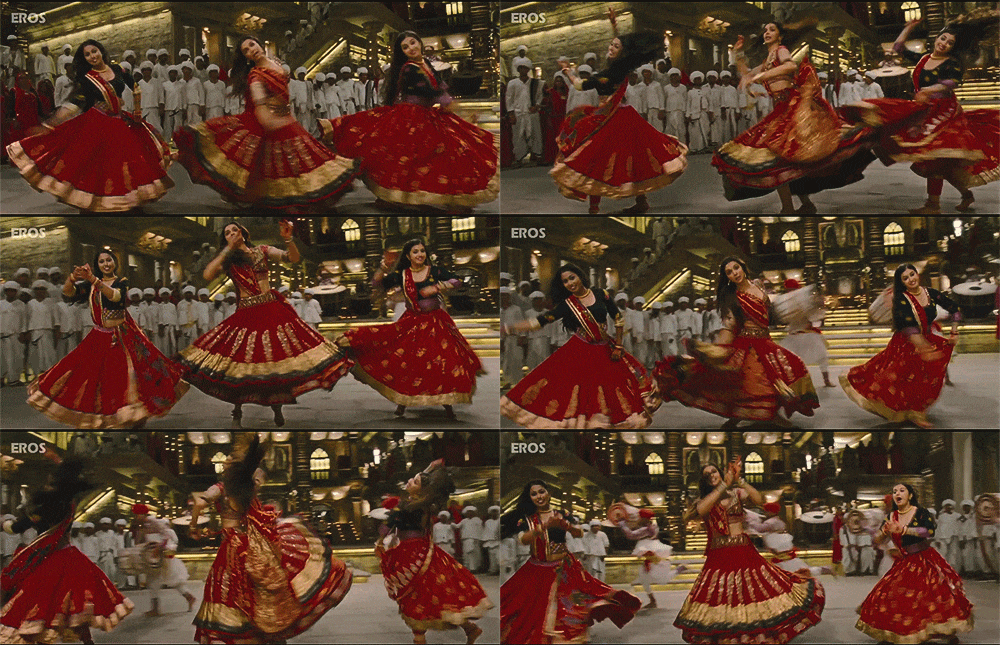
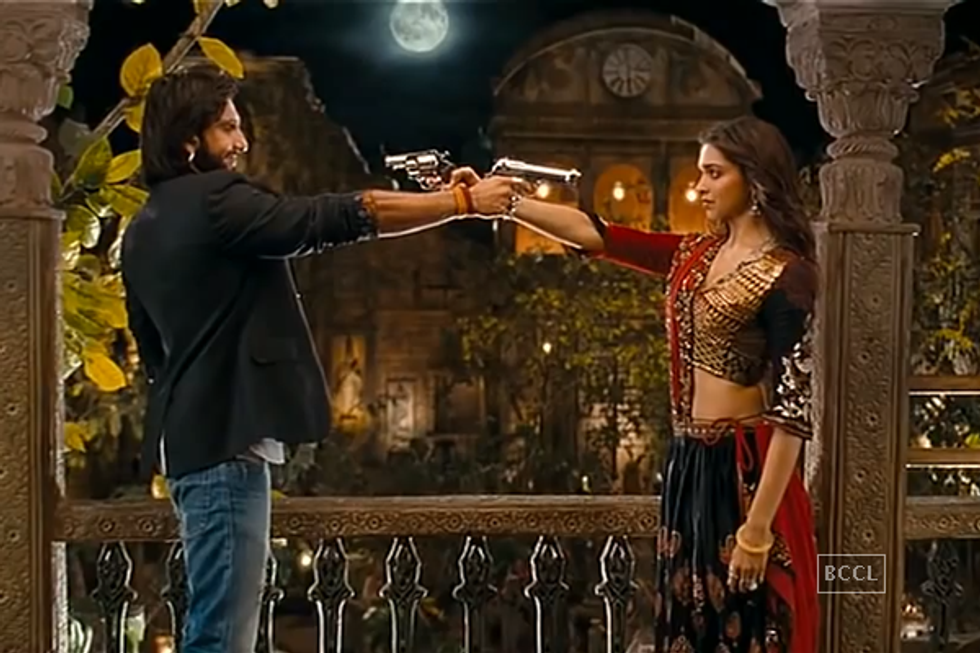
The dialogue briefly alludes directly to Shakespeare’s text in a couple scenes in the movie, appropriately tying the movie back to its text of origin; however, it does not force a line-by-line translation. While Bhansali remains true to the first half of the play, he takes the second half on a Bollywood roller coaster including overly dramatic fight scenes, villains, and several dance numbers. Bhansali's modifications keep the audience in suspense up to the last scene, which is quite an accomplishment for a story we all know the end to.
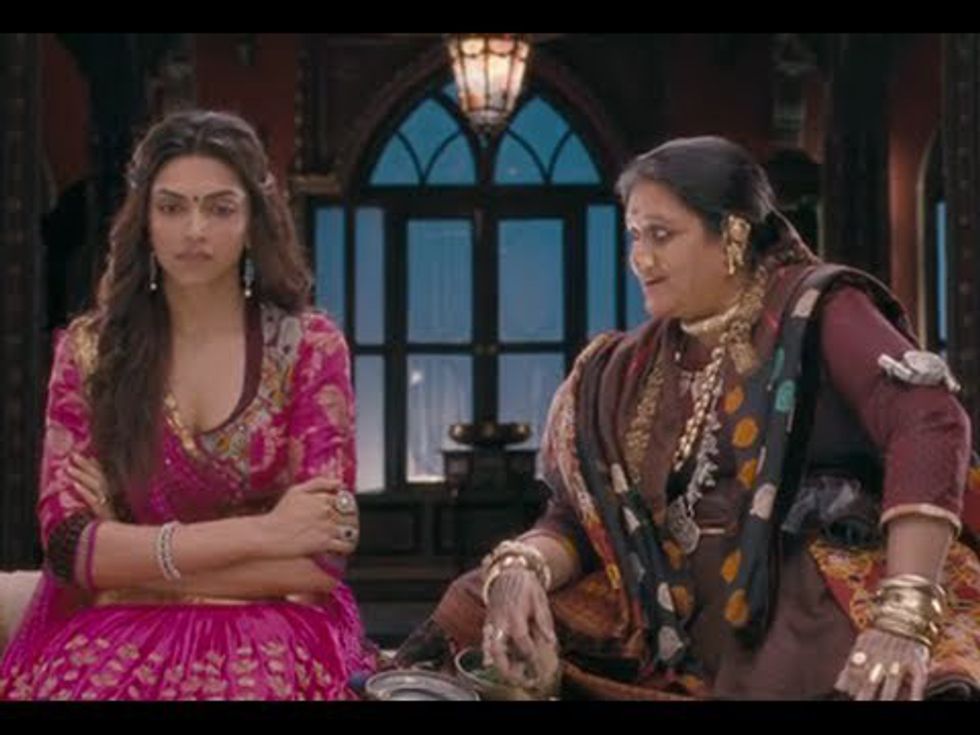
One other major directorial choice which stood out against the original adaptation was the gender dynamic in the movie, as “Ram Leela” showcases a matriarchal criminal empire. While Ram (Romeo) is the heir apparent to his clan, Leela (Juliet) is also the heir apparent in her family, as her clan’s authority derives from the matriarch of the family. Leela’s family is also set slightly above Ram’s, giving her character much more authority. Deepika Padukone and Supriya Pathak, actors who play Leela and her mother respectively, bring ferocious star power to the movie, creating a mature and powerful Juliet.
View the trailer for "Ram Leela" here.
















