
Recently, Georgetown University's selling of 272 slaves in 1838 to pay off debts of the Jesuit university has resurfaced in the news.
Other renowned universities in the U.S., such as Brown, Harvard, and UVA, have also publicly acknowledged their historic ties to slavery, but the Georgetown sale is, by far, the largest slave trade made by university officials. In today's dollars, this sale was worth $3.3 million. It also stood out that such a large sale was done by the Jesuits: the group which regularly protected Native Americans from slavery and persecution by the Spanish and Portuguese Empires in South America.
In the fall of 2015, Georgetown President James J. DeGioia responded to student protesters by changing the names of two buildings named after officials involved in the sale. Both Mulledy and McSherry Halls were renamed to Freedom and Remembrance Halls respectively until permanent names are chosen.
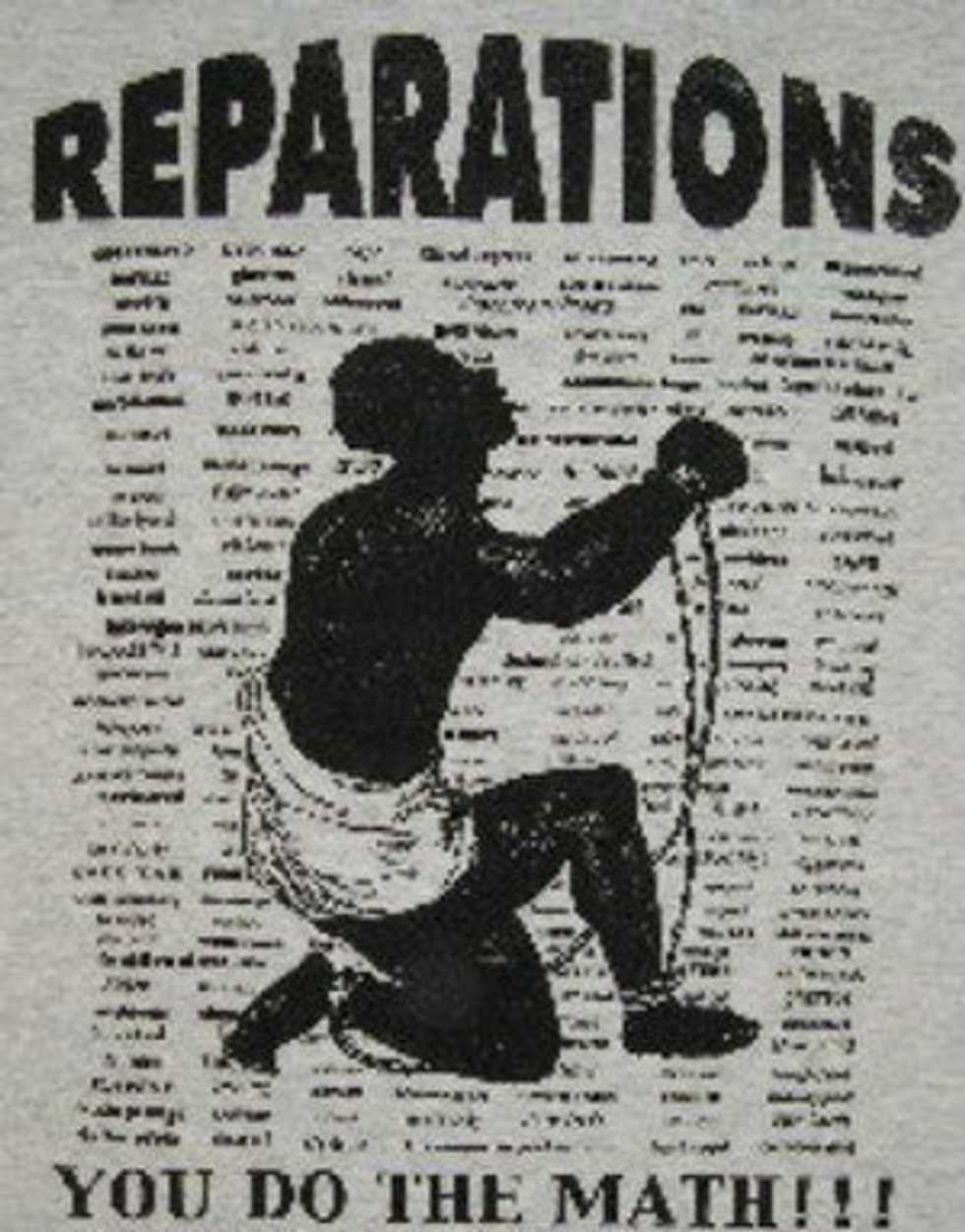
Although the University has acknowledged its tremendous ties to slavery in the past, the question of past human rights violations still persists: what reparations are needed? Is a public apology and recognition of a horrendous event enough? Or should descendants of victims of these atrocities be compensated?
With regards to descendants of Africans involved in the Atlantic Slave Trade, this is known as the reparations movement. For a plethora of reasons, the reparations movement hasn't found much success.
On April 24, the NYTimes Editorial Board stressed the significance of durable compensations to descendants of the victims in the sale by creating permanent memorials. It wrote that "Georgetown is morally obligated to adopt restorative measures, which should clearly include a scholarship fund for the descendants of those who were sold to save the institution."
Criticism of reparations movements can be seen from a long shot. First of all, where does compensation stop? From 1525 to 1866, approximately 388,000 slaves survived the Middle Passage to North America.
The sale at Georgetown was unique in that the names of slaves involved were recorded. Thus, the Georgetown Memory Project currently estimates 12,000 to 15,000 living descendants of the 272 slaves.
Unfortunately, many plantation owners did not record the names of slaves, making descendants of original slaves incredibly difficult to trace. Compensation would thus not be very disproportionately allocated.
In addition, the descendants were never enslaved. In the case of reparations to Japanese internees during World War II, President Ronald Reagan signed the Civil Liberties Act in 1988, which issued a formal apology and paid $20,000 to each surviving victim.
In 2015, the German government agreed to pay approximately $250 million to Holocaust survivors who were children during WWII.
The difference between the two examples and the descendants of the original 272 slaves is that monetary reparations were paid to direct descendants.
It's also important to note that reparations aren't always paid with direct monetary compensation.
Dispossession of land and cruel treatment of many U.S. Native American tribes in the past has been compensated in two other ways: returning control of land and formal tribal recognition. According to the Poverty and Race Research Action Council, tribes have seen the most success with the latter, allowing tribal sovereignty and independent self-government.
How far reparations should go is often a touchy issue and subject to heavy debate, but there's one minimal step any government or institution should take when confronting its blemished past: recognizing it. Simple apologies aren't enough.
The blind patriotism with which we pride our country should be challenged and confronted.
Instead of elevating our founding fathers to a mythological status, they should be seen as flawed human beings. The worst thing that can happen from any reparations movement is to do nothing and neglect it -- because the cliched but correct answer to the, why do we learn histor question is so we don't repeat it and we learn from our past mistakes.
Acknowledging the reparations movement means acknowledging our imperfect past so we can collectively work on improving the present.
Have we already done this? To some extent, though many will argue it's not enough when inequality is not gone, as it never will be, and is manifested in a variety of ways.
In the words of Ta-Nehisi Coates of The Atlantic: "Two hundred fifty years of slavery. Ninety years of Jim Crow. Sixty years of separate but equal. Thirty-five years of racist housing policy. Until we reckon with our compounding moral debts, America will never be whole."