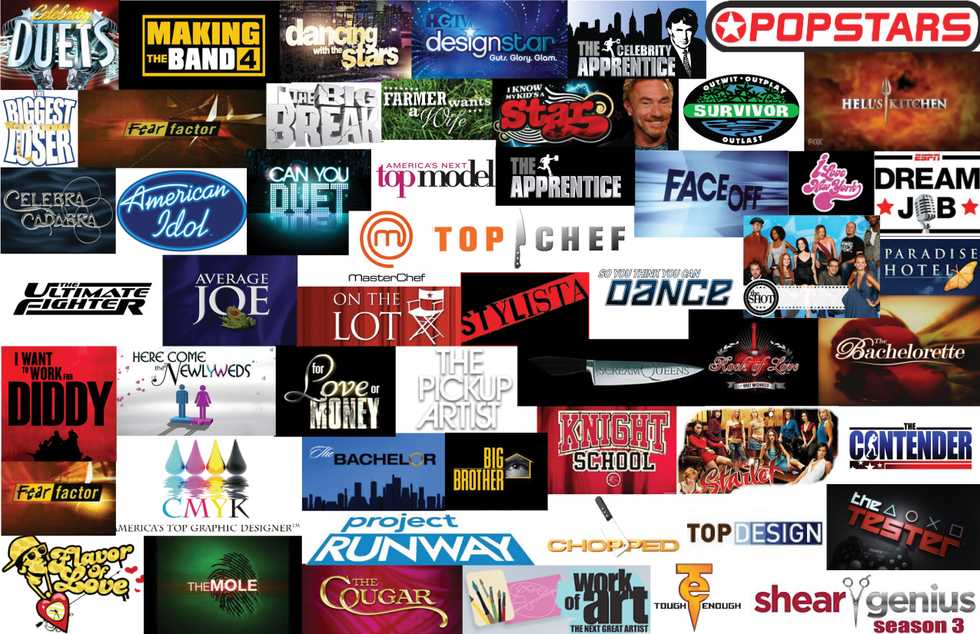
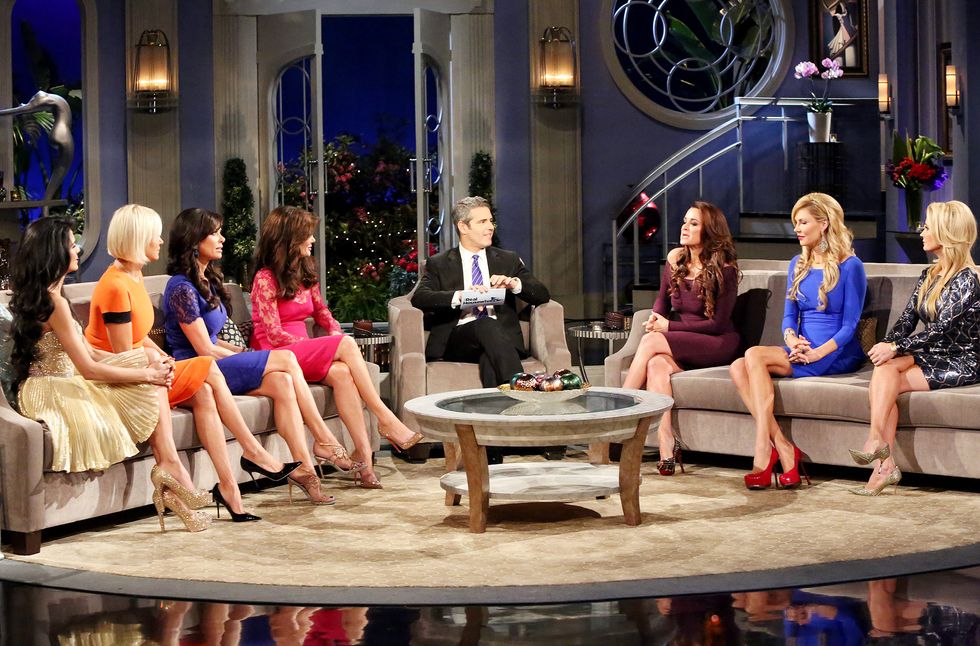
Bravo, E!, Style Network, TLC, MTV: the list of television channels chock-full of seemingly pointless, mindless, more often than not cringe-worthy reality television shows is excessive. What is it that feeds this frenzy of romanticized realness? The obsession with binge watching shows, particularly reality shows, offers some of the greatest insight into the human psyche. The ease with which we can crawl into bed at 4 p.m. and pull up a jaw-dropping 10 seasons of Real Housewives of Orange County, or better, browse through the six other honorable casts of women sprawled across America’s richest cities, is tempting to say the least. If everything we do is done for a purpose, a means to an end, then what is the goal behind watching reality television? Validation, admiration, pure entertainment?
Our obsession with easy fame.
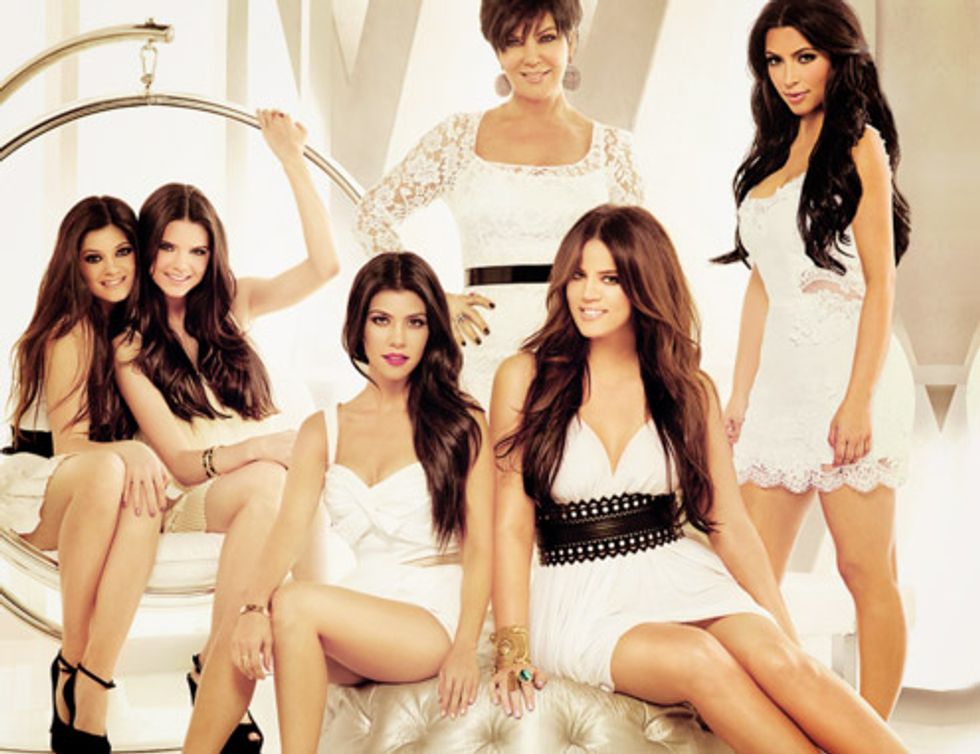
How many of us can name every Kardashian? Or better, all the secondary characters that appear on the show (Jonathan Cheban, Malika, etc.)? Our society is obsessed with fame and minimal effort. Reality stars more often than not exhibit no real talent, thus the infatuation with these “characters” that garner impressive amounts of fame overnight draws us in and convinces us that catfights between 40-year-old women are critical to our well-being and knowledge about society.

Validation that our lives are better than we realize.
First things first, the drama. How many of us can honestly say that we get in explosive arguments with our friends every week? Yet, shows like The Real Housewives, Rich Kids of Beverly Hills and Bad Girls Club appeal to us because we love the drama when we are as far removed as possible. Which begs the question: is it selfish that we get a substantial amount of validation from watching people fight and struggle, then realizing that we actually have (comparatively speaking) low-key lives? ~Perspective~.
The hype for these shows is everywhere.
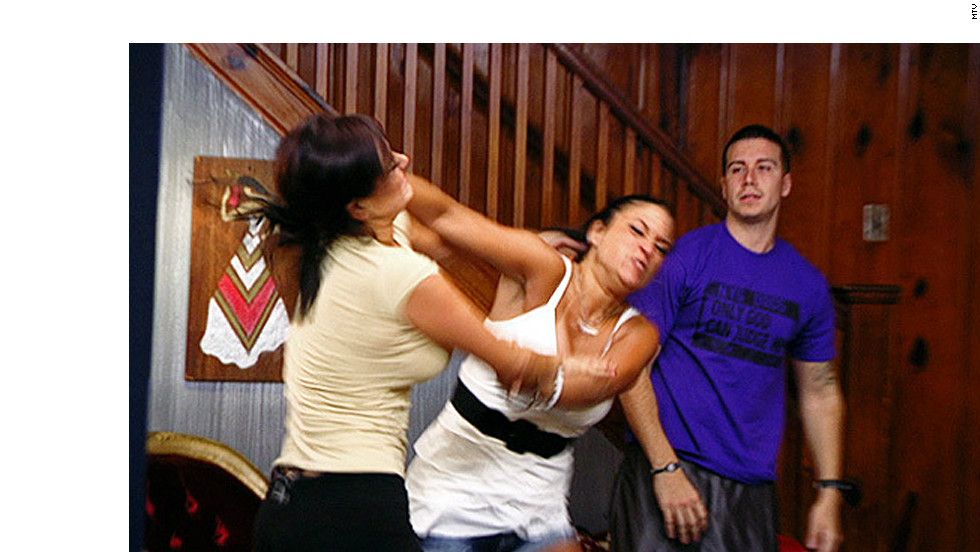
One of the more impressive techniques of reality shows is the appeal it has to social media. As viewers, we are more likely to post about what catfights are happening on The Jersey Shore than we are to post our response to the main conflict in a scripted show like White Collar. The engagement that fans partake in on social media surrounding reality shows perpetuates the social pressure that you need to be watching this right now to be socially relevant in conversations.
We like to see ourselves in other characters.
The women and men on these reality shows often feel like caricatures, nonetheless as humans we subconsciously find the traits in other people that resonate most with us. Thus on shows like the Kardashians, the five sisters are ours for the taking. With each character representing different values and behaviors, the audience naturally gravitates towards one, and pledges allegiance to that character. (Have you ever felt yourself defending Kourtney in a battle with Kim or Khloe? Or making it your responsibility to justify her actions to your girlfriends who are also watching the drama naturally unfold?)