11 years ago, my mom and I had a dinner with the mother and twin girls who went to a kindergarten with me. We sat around a table, as I remember, at a restaurant. I looked at one of the twin girls and she was tapping the table with her fingers as if she was playing a piano. I also tapped on the table as if I was playing a piano. Then, their mom asked my mom, “Does your son play piano as well?” My mom said, “no.”
Music lessons have been part of my life since then. A few years later, I started violin. But, today I will focus on an ordinary question an instrumentalist has. How do I play well?
This is an important question and most of the things that a teacher says in a lesson seem to be related to this question. For example, always hold up your violin with the right posture. Keep the bow straight and parallel to the bridge. It does sound more beautiful if one follows these instructions well.
First few years of learning an instrument are devoted to learning these basics. To create a habit of straight bowing, for example, a student is instructed to practice straight bowing without changing the notes. To create the right curvature of fingers, a novice pianist practices scales over and over again.
Once these habits are formed, a student moves on to play more complicated music. It involves more instructions, from the music sheet and the teacher. All kinds of markings on the music; Slur here, divide the bow there. Crescendo, decrescendo.(louder, softer) Accelerando, ritardando(faster, slower). Teacher’s corrections to my errors and compliments for a job well done; “you played a wrong note here,” “this part was well-played.” Those instructions, if one keeps them, makes the piece more dynamic and richer than playing the right note at the right time.
But a person is required to do more in order to play music as a virtuoso. A virtuoso, not only keeps these instructions but also understands the meaning of these instructions. He sits down and listens to a virtuoso musician playing the piece that he or she plays. Looks at how another musician plays a piece.
Nevertheless, even a virtuoso is still bound to ask another question. What message am I conveying with this music? Or what message am I “supposed to” convey with this music?
Why is it that when we hear the first movement of Bruch Violin Concerto No.1, we feel like we are listening to a conversation? What is that conversation? What is it talking about?
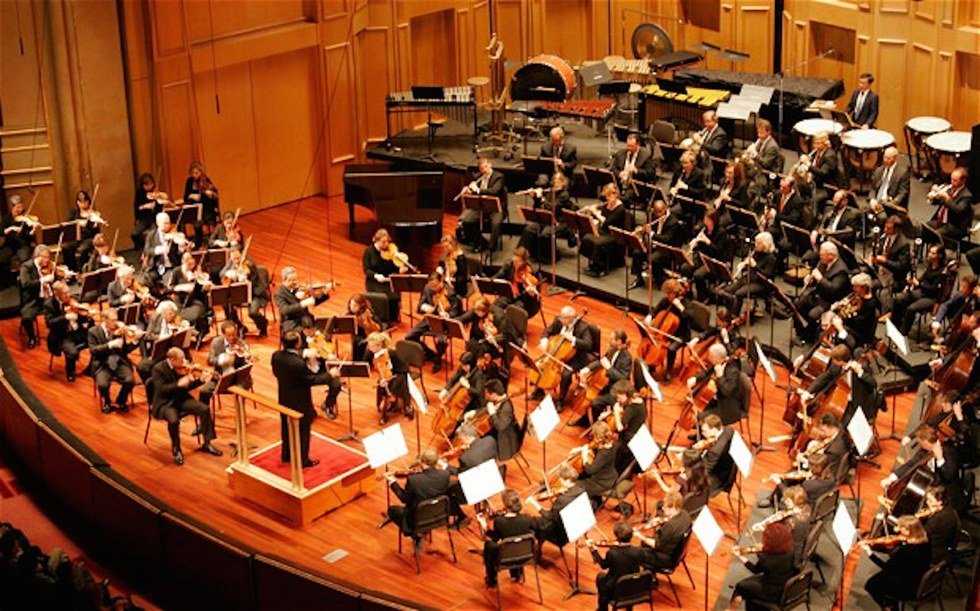
When the soloist stops, and the orchestra responds with a magnificent “cry.” When the soloist starts “speaking” and orchestra becomes quiet, why does that so resemble when a speaker stands the audience becomes quiet?
When an instrument in the orchestra plays a theme and the soloist responds by playing the theme in variation, what was that back and forth about?
Who will open our eyes to see?