I am an aspiring writer of fiction and nonfiction, designer, illustrator, web developer, and every now and then I take a shockingly good photograph of my one-year-old daughter. My first craft was writing fiction, and even at an age where my handwriting was barely legible, I was bursting with inspiration. For the most part I wrote about magic and nature, and I could never finish more than a few (short) chapters before being overcome by the idea of a new plot line or character, and leaping upon it. My creativity ebbed for a while through about six years of serious depression, but now I’m back and dangerously inspired. Here’s what I’ve observed of myself and others at our most creative moments:
1. Bravery
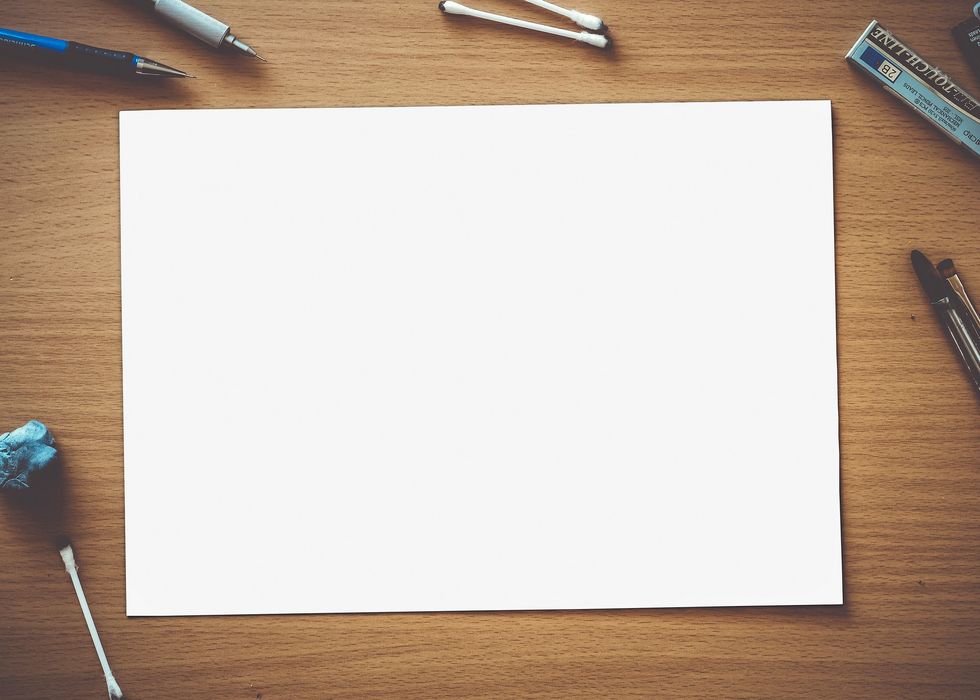
As someone with sometimes serious anxiety, I can attest the fact that fear is an immobilizer. I can avoid doing something that scares me for months—if my motivation is weaker than my fear. If you’re afraid to try, afraid to learn, afraid to get up and fail again, and if you are paralyzed by that fear, you will not achieve anything until you find a way to release or overcome your worries. Honestly, it takes bravery to try to get over fear. Just remember the blank paper (for example) has potential to be great, but it is not in itself perfect the way it is. Messing up on a blank page doesn’t ruin the page, it wasn’t special the way it was before.
2. Patience
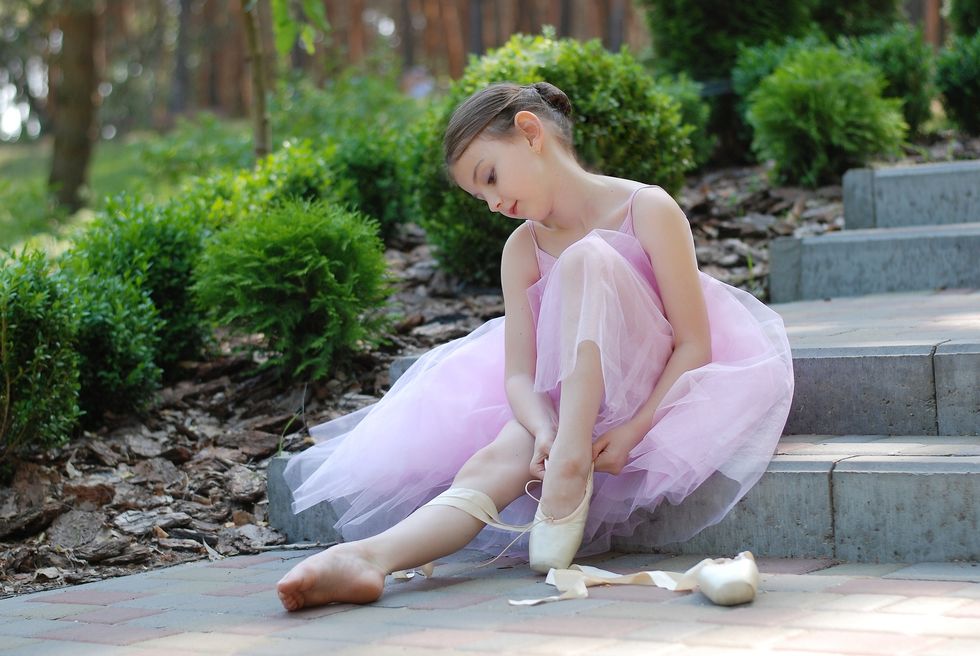
In fact, messing up a blank page means you’re practicing your art so not only do mistakes not ruin the blank page, but they improve you and your art. My almost-toddler can’t hardly make a singular mark on a piece of paper with her baby crayons by herself, but that doesn’t mean I won’t help her practice. I also haven’t thrown up my hands at her singing voice, and neither should you with your own craft.

3. Appreciation
Whatever your art is, take inspiration from things that make you feel alive. I’ve heard some authors talk about listing things that you love, hate, fear, or basically anything that invokes a strong emotional reaction from you as inspiration for what to write about. I would go a step further—after making those lists, experience them. Do it in small doses, perhaps, for those that are negative. But consciously observe your emotions as you go through those lists and try them all.
4. Openness
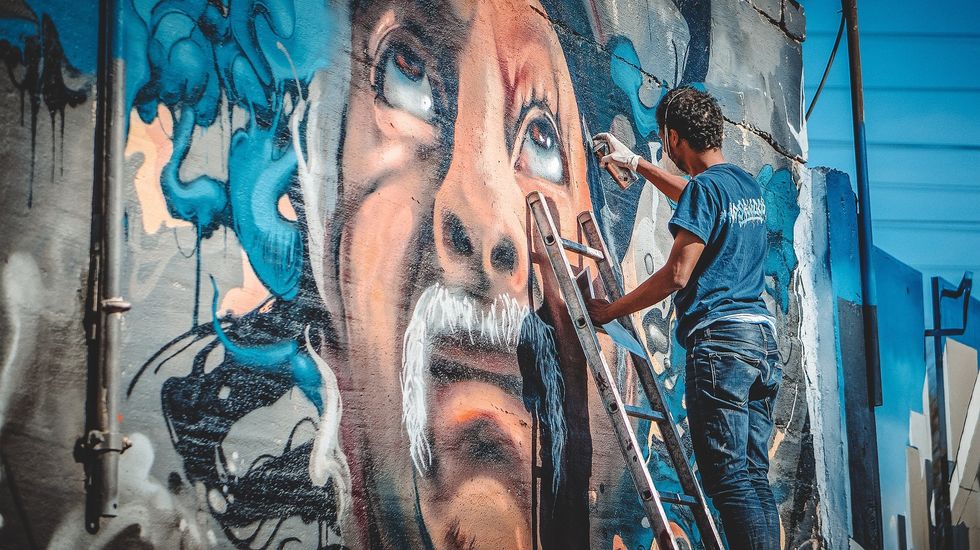
There is a reason why artists often have a progressive reputation. There’s little room for narrow-mindedness in art. Experiencing life, as I said before, enables you to accurately (albeit in your own style) represent it. Furthermore, in accurately representing life you might find incorporating lives and cultures other than your own to be inspirational.