

Personally, I'm pretty stoked when I find a few extra dollars jammed down into one of the many pockets of my purse. So it's hard to even comprehend the level of excitement in Egypt at this moment, as historians and archaeologists are coming together to unveil what is potentially the most significant discovery of the last century. It appears that, during the original excavation of a famous site, something, or someone, may have been overlooked. In 1922, Howard Carter, after years of searching, managed to uncover one of the last remaining undiscovered tombs in the legendary Valley of the Kings. Though the tomb was small, perhaps a little too small for someone of such high status, Carter and his team were astounded to find a literal treasure trove that no human had laid eyes on in 3000 years. The tomb belonged to a young pharaoh whose reign, though historically insignificant, was fraught with mystery and intrigue: Tutankhamun. The discovery not only shed light on an otherwise murky period of Egyptian history, it ignited the public's interest in not only Egypt itself, but the archaeological field, overall. In fact, the find had such an impact, Tutankhamun, otherwise known as Tut, is still one of the only pharaohs that anyone outside of academia knows by name. it is hard to imagine that, after all of the attention that has been paid to this famous ancient king and his tomb, that something even more exciting might be hiding within the chamber.

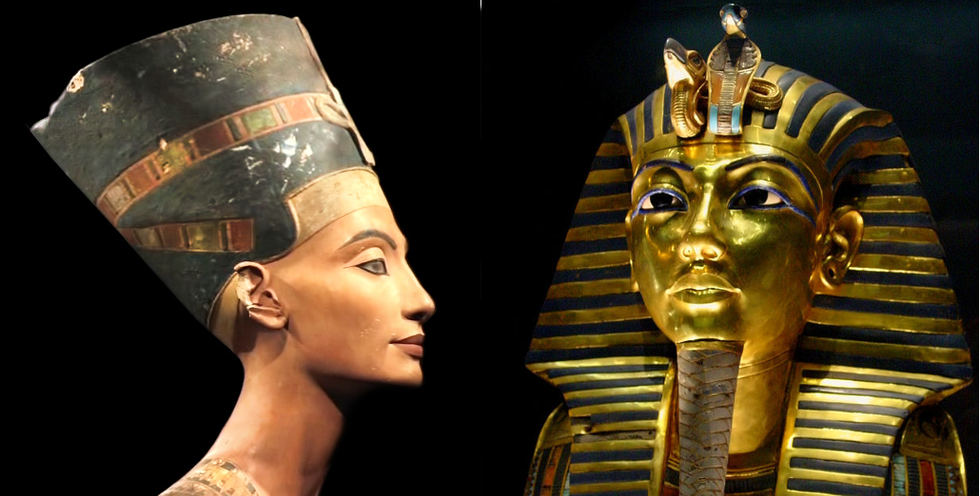
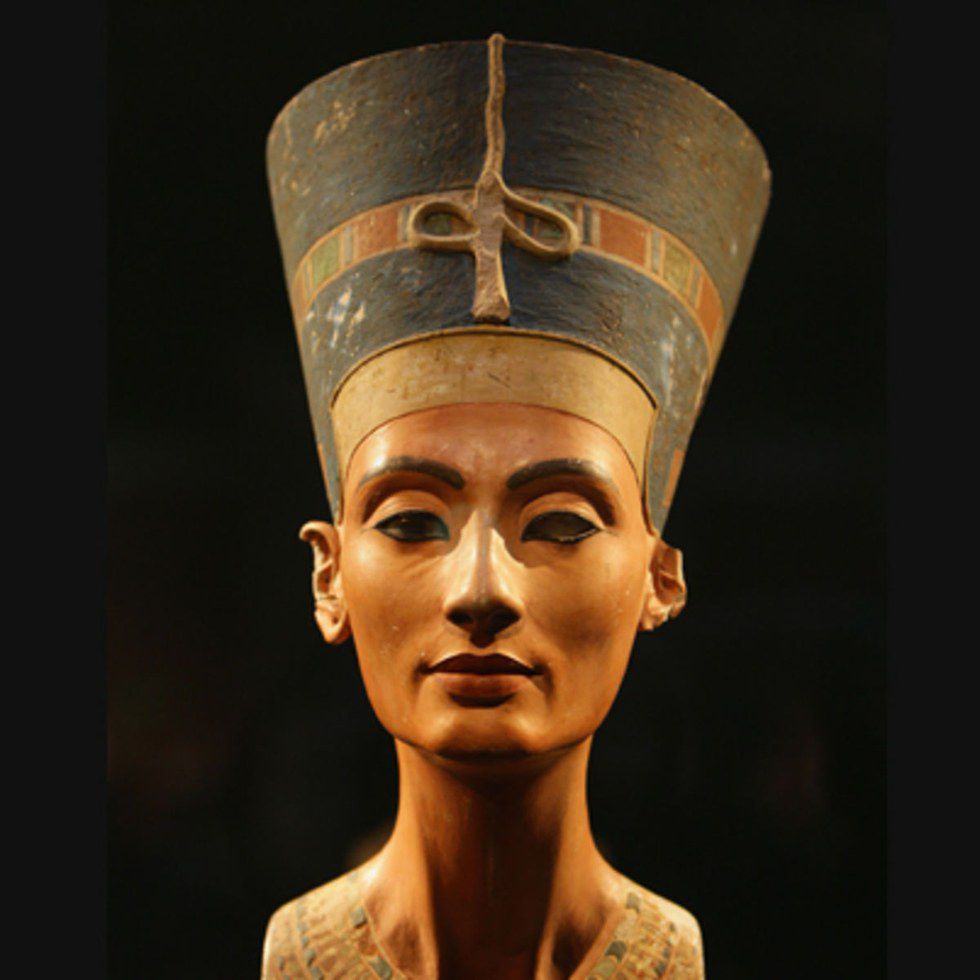
While Tut is still a relevant subject for some people, mostly within the historical field, he's pretty much old news for the general public. At least he was, until modern technology allowed us to take a deeper look. This last November, archaeologists spent two days in Tut's tomb conducting radar scans. The preliminary results suggest that not one, but two unopened sections exist behind two sets of hidden doors within the burial chamber. This is the first time that there is any evidence whatsoever that there was anything beyond the walls, though some have speculated such. British archaeologist Nicholas Reeves has long theorized that Tut's tomb was not originally meant for the king himself, but for his step-mother, Nefertiti. This idea is supported by the fact that the tomb is drastically smaller and less ornate than was usual for pharaohs in that time period. Beyond that, Tut's sarcophagus and burial mask show evidence that they were potentially made for someone shorter and thinner than him. With his untimely death, some believe he might have been placed in his step-mother's tomb, as his had not yet been constructed. The mummy of Nefertiti, famous ancient beauty and wife of monotheistic pharaoh Akhenaten has never been found, so it seems plausible that she could have been somewhat unceremoniously placed in the back of her step-son's chamber.
So what is behind that wall? Is it Nefertiti, perfectly preserved for the after-life? Is it more treasure of unimaginable historical and monetary value? It appears we'll have to wait a while to find out. The fragility of the irreplaceable paintings on the tomb walls are causing Egyptian officials to hesitate in regards to excavation. However, with tourism declining due to political unrest in the region, a discovery this massive would re-invigorate the Egyptian people and their economy. Though the project seemed to hit a stumbling block after the November explorations, just last week the Egyptian Ministry of Antiquities announced that 40 new scans had recently been taken. These scans suggest that structural anomalies exist beyond the chamber walls, supporting the findings of the November scans. When asked if there was any chance of drilling a minuscule hole in the walls in order to utilize a small camera, the Ministry stated "Other procedures will take place before any physical interference." There is a huge possibility that something fantastic is right on the other side of those walls, but only time, and hours of research, will tell. For those archaeologists at the forefront of the study, and for anyone whose imagination has ever been captured by the ancient Egyptians, this is an incredible moment.
There is of course, a chance that the chambers are empty, but there is also a chance that they are not. Howard Carter searched in vain for years before he finally uncovered the resting place of Tutankhamen. As he peered through a tiny hole in the wall, his team, expecting disappointment once again, asked him if he saw anything. Carter, overcome by his discovery, could barely get out the words,"Yes, wonderful things." I suppose that is what we are all hoping lies within those hidden chambers, untouched for so many thousands of years: wonderful things.
















