
Here I am! For the first time in the Arts District - Los Angeles, California. A collage of asphalt and paint. Slices of a post-apocalyptic aura mixed with creativity incubators as portals into the unknown. I keep on walking until my feet hurt. In a GoogleMaps-less context it feels like a maze - a grey playground invaded by micro-wonders in the shape of buildings, graffitis or artists dressed almost as in a cos-play of their ideal selves.
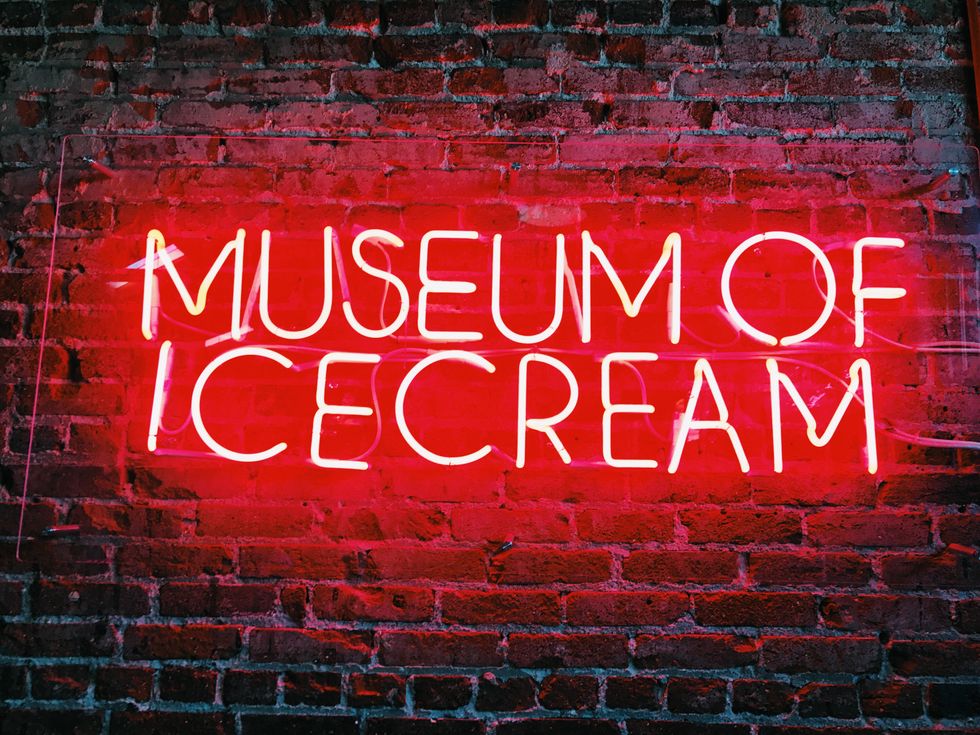
The Museum of Icecream (MOIC) is hidden in between a pizza pub and a row of empty streets. You may notice teasers of it as you come closer and closer to an architectural light pink splash. A queue of people signals the entrance. Accidentally or not, they are mostly aligned 2/row almost like in the kinder-garden road trips. My 2nd lacks today. I stay in line, as a disciplined museum attendee. But the Museum of Icecream is not an ordinary museum. There is no ticket counter around. It looks more and more like a secret society. There is one more group in front of us. While waiting, I embrace my outsider status and analyze the entrance ritual of the previous group with distanced eyes. One MOIC character comes closer and asks for my electronic museum pass in order to start the journey. I have none. Can I access one? Hmm, it does not work like that. Everything is sold out for days in a row. Can we find a way? Yes! In a couple of seconds, the mystery is unlocked: one of the ladies in front of me has an extra-ticket for a friend who does not show up. This is it! And once-upon-a-time suddenly become once-upon-now.
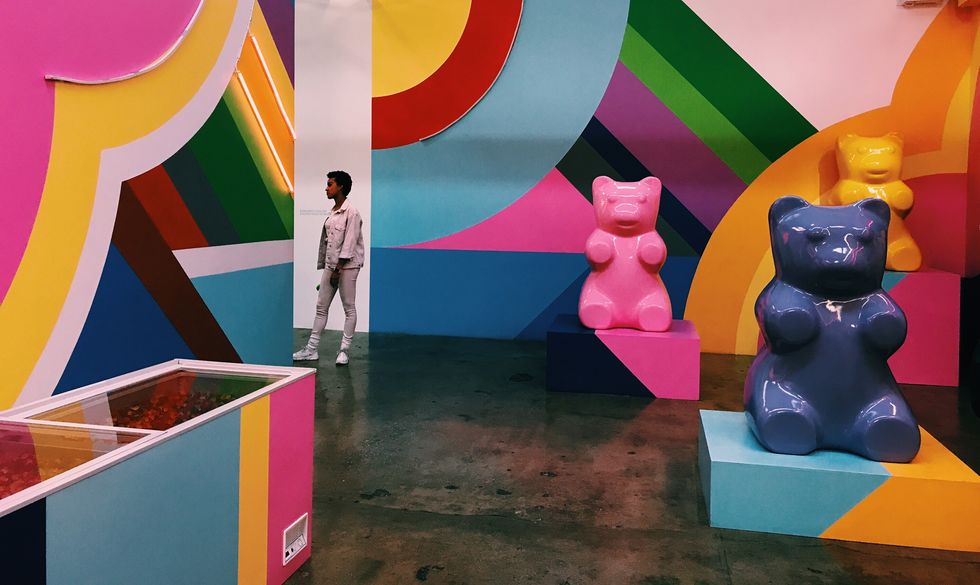
From the walking experience of finding the secretly hidden place, the long and suspenseful queuing, the tacit and playful entrance agreement (you will see!) to the multi-layered experience of exploring this sci-fi home of worldwide ice-cream, I feel privileged, but also challenged.
Alternate reality game (ARG) are still in the versatile-definition stage. However, most practitioners associate them with an interactive experience that uses the real world as a platform to tell a story that may be affected by participants' ideas or actions. To me, MOIC was an analogue form of ARG. It sets up a non-linear-narrative-experiential premise and groups of people step inside it, while living their actual form of childhood, while exploring an expanded fictional space, while answering questions, dancing, photobombing or tasting gourmet sweets.
This is not (only) a museum. It is a chain of stories, tastes, colors and textures. You may phone call, take photos, interact with characters, complete oral quizzes and enchant your eyes with a monochrome playground. The only hint that leaves the impression of a deliberate illusion is the ceiling - a reminiscence from the first architectural sketches - although they are white, almost as a milk topping. But while you do not look up, you are in this world of inexplicably linked fiction and real.
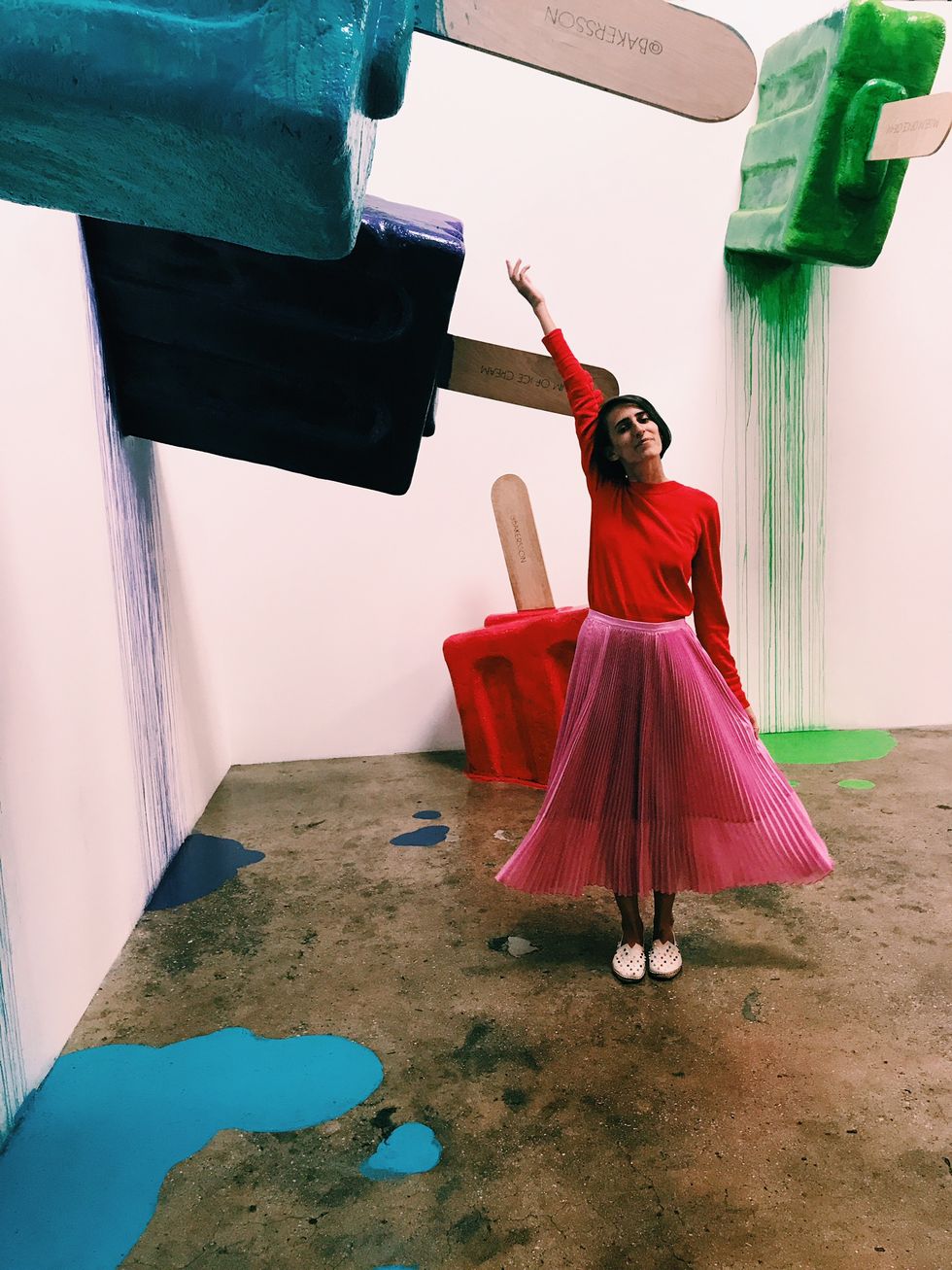
And after the experience ends temporarily, there is an online exhibition that conserves and follows its visitors. #MOIC continue to have heart beats with every visitor that shares his or her experience.
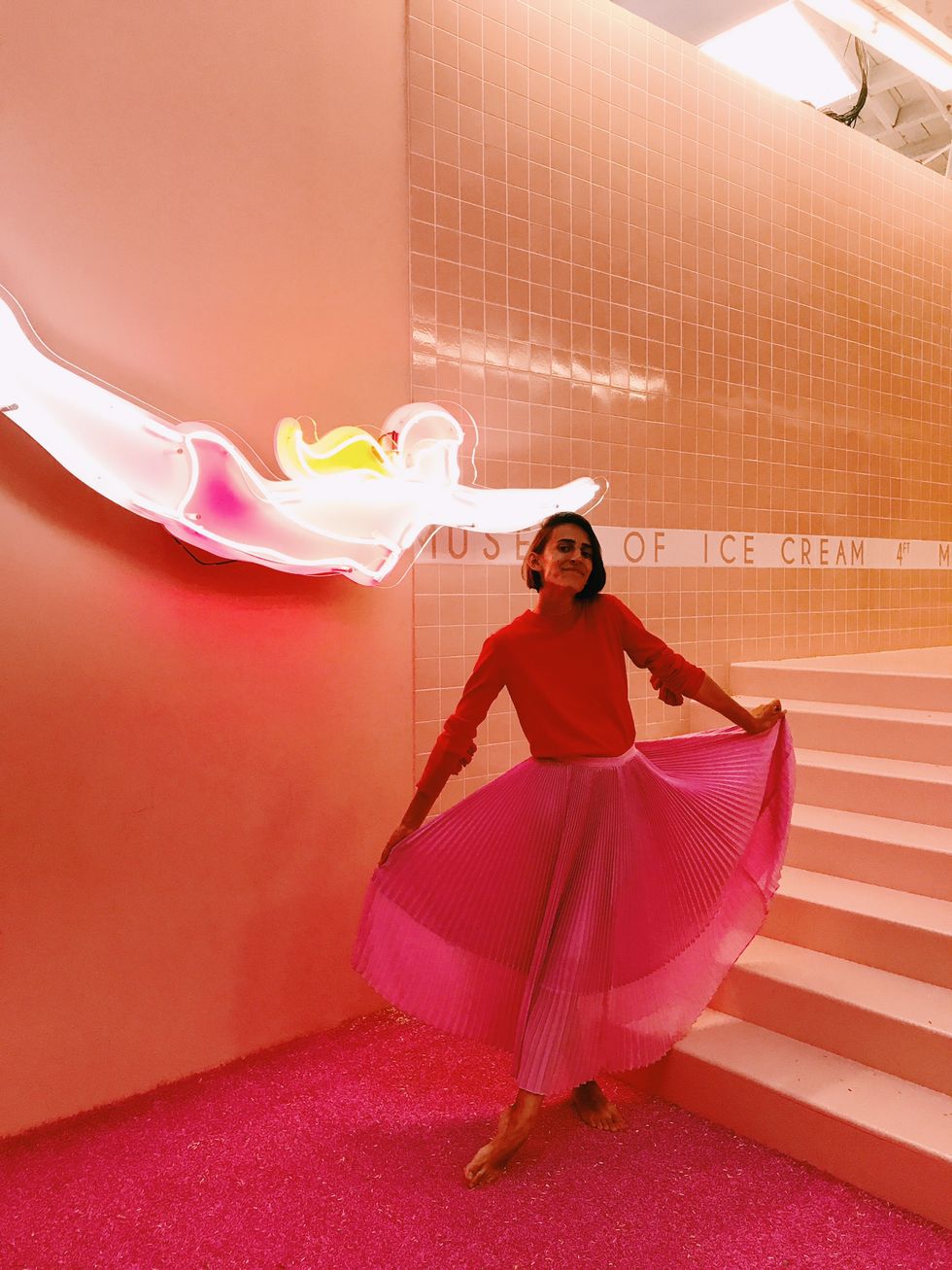
#MOIC as an analogue ARG remixes: few grams of delicious icecream (along with succint trivia stories about it), a museum conceived as a fictional playground, an exploratory journey of patterns and customs and an Instagram ongoing canvas into an organic form of a half-visualized, half-tasted joie-de-vivre.
















