

The second season of Narcos, Netflix’s critically acclaimed series, has been out for about two weeks now. The show tells the story of Pablo Escobar, Colombia’s infamous drug lord who was responsible for the rise of cocaine’s popularity in the United States and South America in the 1980s.
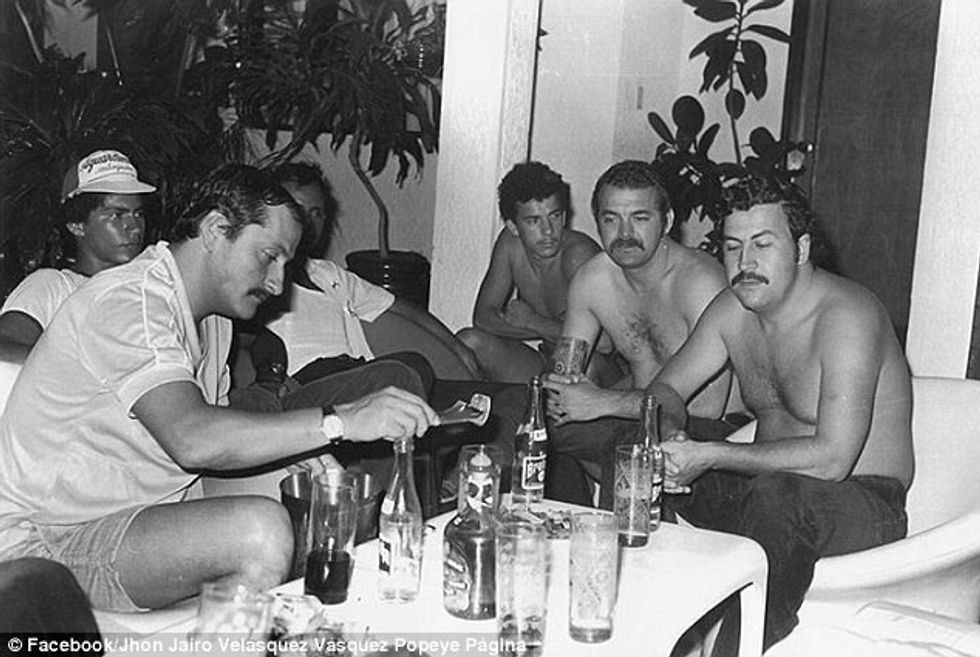
Escobar’s power and influence took the world by storm in the 80's. His impact on Colombian society and on the rest of the world made his story one worth telling. Netflix realized this, and in the best move they’ve made since House of Cards, they created Narcos.
Narcos is praised by viewers and critics for being fairly historically accurate. The truthful depictions of his wrongdoings, as well as the portrayal of the rest of the characters and the American and Colombian governments, make for an intriguing and fairly unbiased telling of Escobar’s tale.
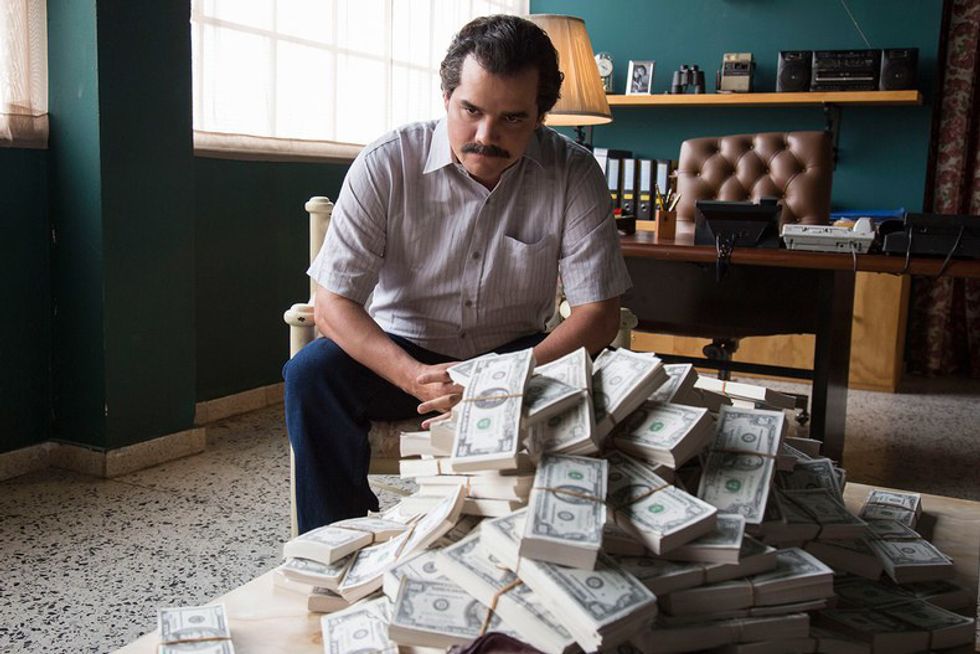
The show also provides an accurate description of Pablo’s fortune. At the peak of his criminal career, it is estimated that Escobar was making $420 million a week from drug trafficking. Pablo Escobar had more money than he knew what to do with, yet that didn’t stop him from finding creative ways to consume it.
Escobar’s profits were enough for him to buy an island in the Bahamas, a self-designed prison, way too many houses, and still enough have money leftover for him to give away to the poor and to literally bury.
Though Escobar’s name was well known before the series, his fame skyrocketed after Narcos. His character is fascinating and thrilling, so his popularity is understandable, but at the same time, it is a bit concerning.
I can’t blame people for being captivated by the show. I am a big fan myself. However, I feel that it is important to differentiate between Pablo Escobar, the series’ antihero, and Pablo Escobar, the real man.
Sure, when you’ve got the story of a ruthless kingpin who assembles an army of sicarios and a builds a fortress-like prison and controls a whole country’s police force and infiltrates that country’s government… that sounds like some quality entertainment television. But it is imperative to remember that this is something that actually happened.
Pablo Escobar was a real man who really did murder many people. He really did encourage a corrupt police force in Colombia, and he was in fact responsible for the death of half of Colombia’s Supreme Court justices, and he was the one behind the bombing of Avianca Flight 203.
It can be easy for us as viewers to dismiss this when watching a dramatized version of his life, but we shouldn’t. For us to ignore the fact that the real Pablo Escobar was a cold-blooded killer is in fact just that: ignorant.

To make matters worse, it’s not uncommon for some fans of Narcos to go as far as to idolize Escobar. Pablo was a very rich and very powerful man. In some instances, wealth and power are definitely some admirable traits. However, Pablo Escobar is not someone you should look up to.
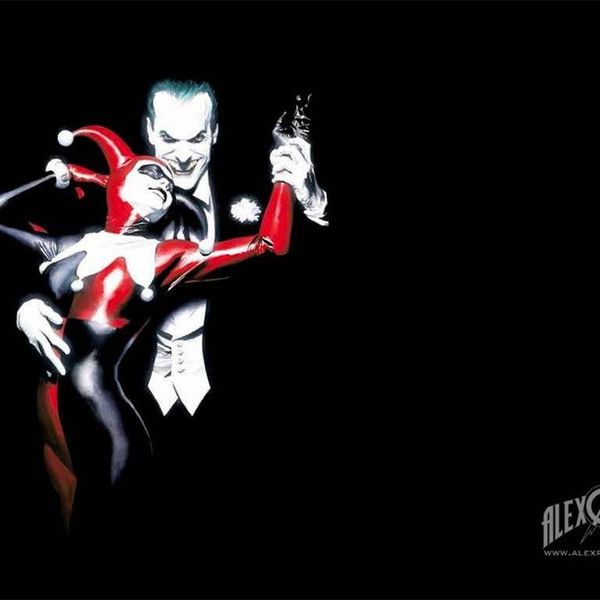
That’s like when people idolize the Joker’s relationship with Harley Quinn simply based on their looks and ignore the fact that it’s an abusive, toxic relationship, you know?

It’s weird, and it’s superficial.
I believe that the glorification of Pablo Escobar and other drug traffickers such as Mexico’s El Chapo stems from our cultural glorification of drugs in general. Despite its drawbacks, drug use is something that is seen as edgy and rebellious. Likewise, despite the horrible implications of being a drug lord, Pablo is seen at face value and praised by viewers. He’s seen as badass and a martyr, when in fact he’s not a badass; he’s just plain bad.
So next time you’re watching Narcos, before you express your admiration for Pablo Escobar, remember the implications behind the cocaine business that earned him all that money and power.
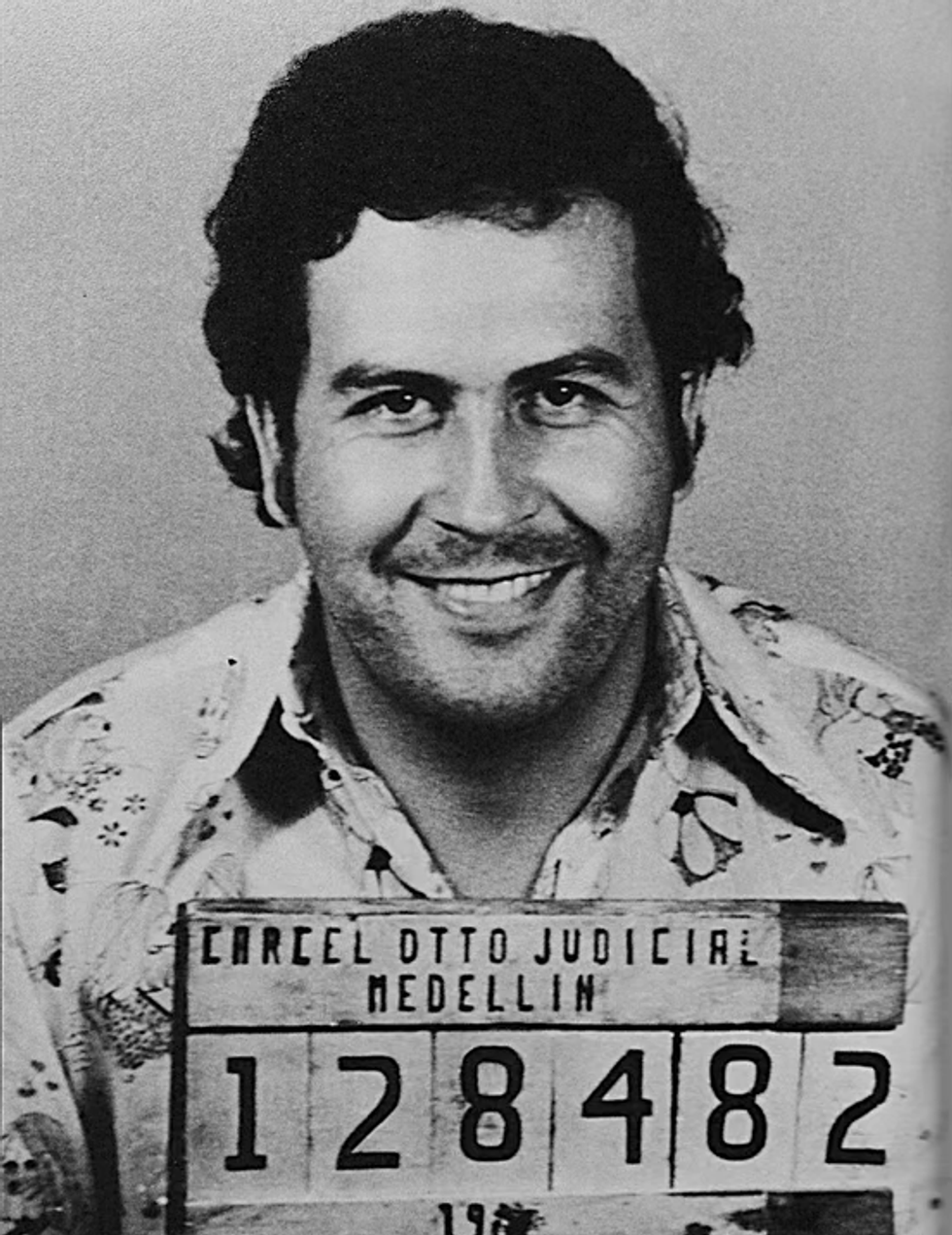
“You wouldn’t imagine what a kilo of that stuff costs… Time it’s processed, shipped, distributed… Six. Lives. That’s how much it costs.” – DEA Agent Steve Murphy, Narcos.