"Citizen Kane" is a notable tour de force of American cinema and stands as a defining pillar in its early landscape. And while the picture’s sweeping cinematography and writing are spectacular, it is the core theme of remiss of one’s better days through years of maturation and corruption that really strikes a chord in viewers.
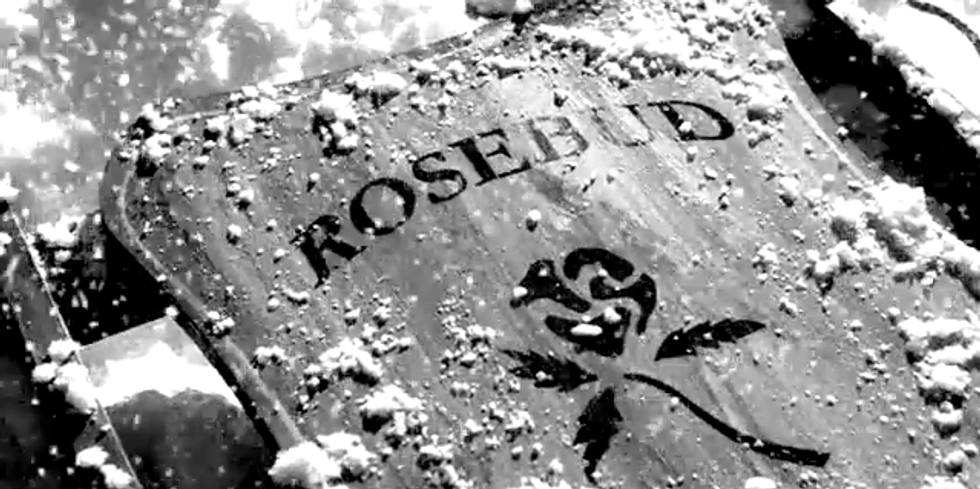
This focus is set up in the very beginning of the movie -- with the uttering of “rosebud” from Kane’s dying lips, we wonder what that pivotal word means. The other characters in the film never find out because “rosebud” relates to something so personal to Kane, something that he lost, something that he has never divulged -- whether out of forgetfulness or negligence of his older memories -- to anyone around him including his lovers and coworkers.
In the film’s potent resolution, “rosebud” is finally revealed to be the name of the sled Kane rode when he was a boy. The simplicity of this reveal is all the more poignant when one considers all the extravagant things the other characters thought “rosebud” could have meant during the runtime.
Rather, after Kane’s moral disintegration, he remembers one thing that brought him true happiness without any repercussions and consequences unlike the sources of happiness in his adult life like his family and work that only ailed him at plot points in the film. The loss of this true happiness and regret of not having better appreciated it is so powerful that it is the last thing on Kane’s mind when he dies. The loss of something and the inability of getting it back presents the most unfiltered, normal yet intense sadness one can experience.