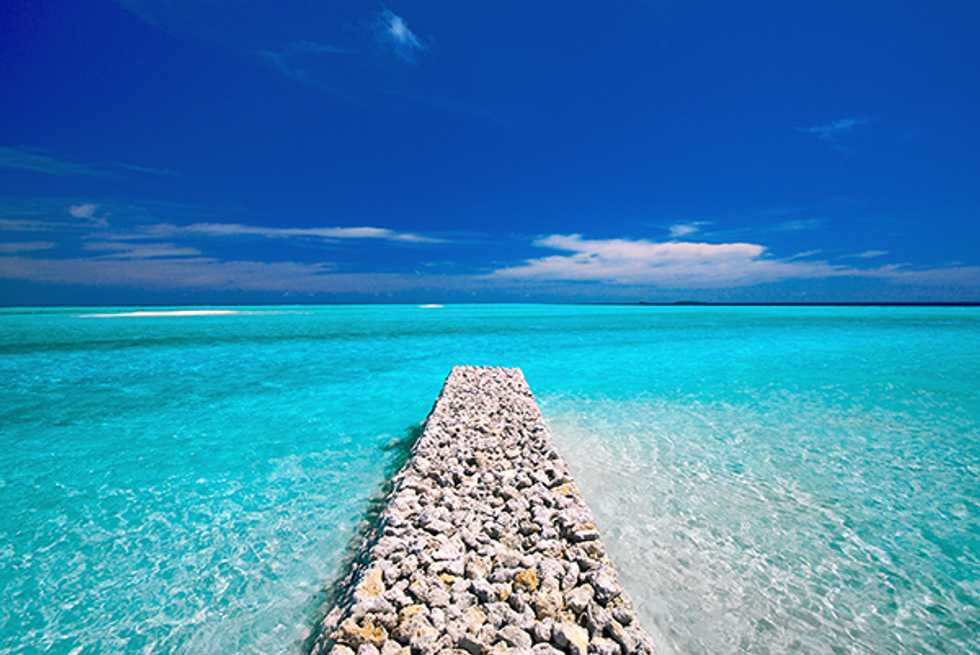
“Wanderlust” is the name of the affliction hidden deep within each of us that compels us to dream of exotic adventures and far-off places. Cobblestone streets, tropical beaches, stern steel skyscrapers and luscious landscapes – such are the kaleidoscope images we long for.
But, do we travel to become more worldly? To change for the better? I believe, that as perpetually purpose-seeking creatures, we do. We encourage, even romanticize, traveling because of the idea that being exposed to new cultures and experiences will “open our eyes” and allow us to become more open-minded, more informed, more accepting.
This isn’t necessarily wrong. When we travel, we collect exciting experiences and wonderful memories and can even make lifelong friends. It’s just better for your mental well-being, as being constantly exposed to how big and diverse the world is forces you to keep things in perspective (the perfect cure for a broken heart or small-town frustrations). During my semester in Montreal, I thought maybe living in a foreign country would change me, even just a little. I was surprised when it did just the opposite. I found myself not changing, but preserving.
My desire for travel is mostly fueled by my lifelong love for books. I grew up reading about different kinds of people from different kinds of places, longing to visit them all, to concretize these worlds that lived only on paper for me. But, one of the perils of being a reader of fiction is acquiring the curious notion that you can somehow be very many people in very many places at once. The same goes for anyone who romanticizes traveling. We imagine ourselves as a free-spirited San Franciscan, a glamorous New Yorker, a nature-embracing hiker in the mountains of Peru, an adventure-loving surfer on a Hawaiian beach. We like to believe we can belong anywhere and everywhere.
But, once you physically step foot into these different places, whether it’s another city or another country, you discover that they are not the places fed to you by your own imagination. They have a searing realness about them that is all the more wondrous and beautiful. They belong to an objective reality full of detail we could never invent nor ever truly become a part of.
Not to mention that coming into contact with any new culture for a brief amount of time — a week, a few months — actually makes it easier to make generalizations about that culture. I’ve found that travelers (and I am guilty of this, too) are the most prone to making judgment-based statements, such as “West-coasters seem more laid back than people on the East Coast” and “Canadian girls are terrible in bed” (actual quote). It’s a simple byproduct of culture shock, trying to make sense of the foreignness of it all.
It only shows that going on that Southeast Asian backpacking adventure is not going to change you as a person. Traveling forces you to hold on even tighter to the comforts of what you already know. You develop a kind of resistance to the alien, and a longing and newfound appreciation for the familiar.
The truth is, traveling and being fleetingly exposed to dozens of different cultures and societies only forces you to reconfigure yourself, to constantly define and redefine who you are and where you truly belong. You find yourself following a circular path, falling back on the core of your identity, on the things about you that you once took for granted.
In each new place you ask yourself, “What is it like here? How is it different from what I know?” And then, “Who am I here? Who was I back home? When I leave, what will stay with me?” The irony of this process is that while you are willingly immersing yourself in new environments in order to open your mind, you unknowingly seek out the parts of you that remain constant, unchanged. In doing so, you discover yourself, perhaps multiple times, and your heart feels tied to home more than ever.
Traveling means finding out which spaces you do occupy in this world, and it is in the intersection of these spaces where you will find your true self.