Good hair means curls and waves
Bad hair means you look like a slave
At the turn of the century
It's time for us to redefine who we be
~I am not my hair~ India Arie
These were the words that India Arie sang in "I am not my hair" yet even after a decade, the kinky natural hair has not been fully accepted in society.
"Here is the perfect hairstyle for you!" every magazine would tell you just to get you to buy this latest issue on trendy hairstyles. However, I already know that if this magazine wasn’t Essence or any magazine that catered to ethnic hair, the chances of me finding a hairstyle that would work for my hair are low. The world is becoming more global each day, yet things concerning ethnic hair.haven't changed.
Why can’t I walk into a CVS with confidence knowing that I will find a range of products to cater my hair?
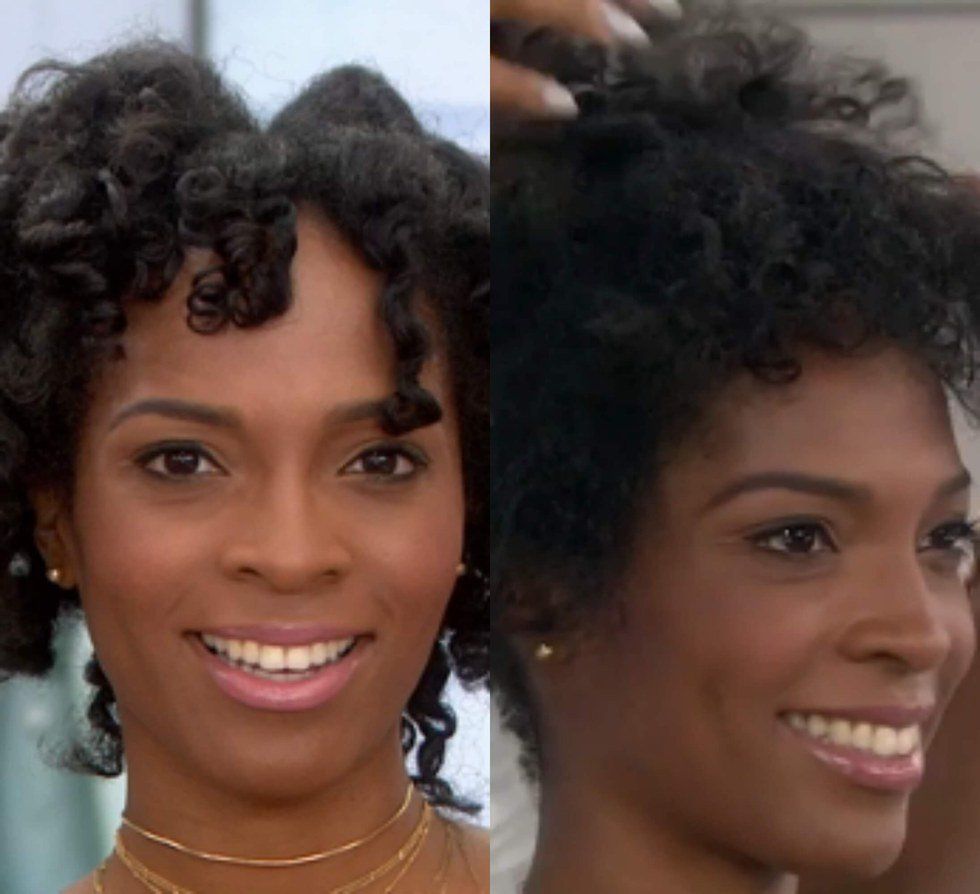
This same level of snobbery was reflected in the "Today" show segment on one minute hairstyles for all types of hair.
Why was I so curious to see beauty expert, Deepica, work on natural hair? And why was I not shocked to see her fail?
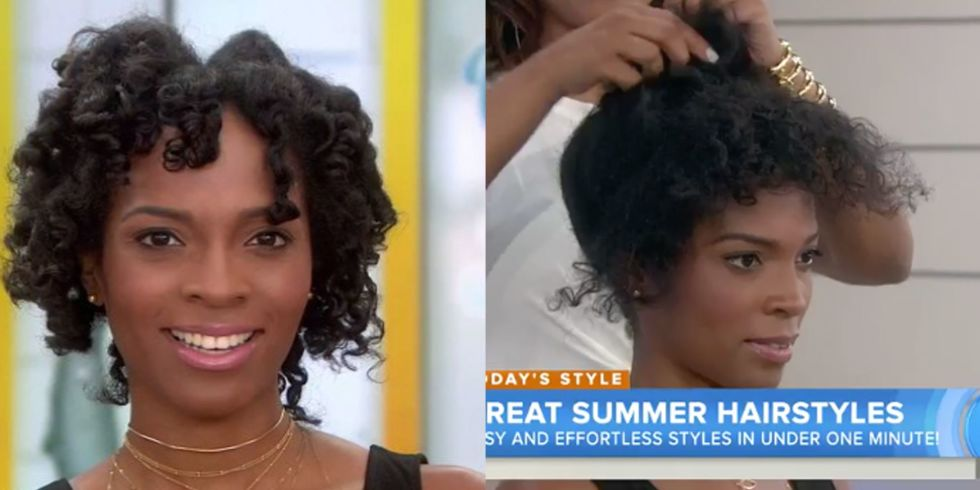
Let's talk about what really went down on the "Today" show.
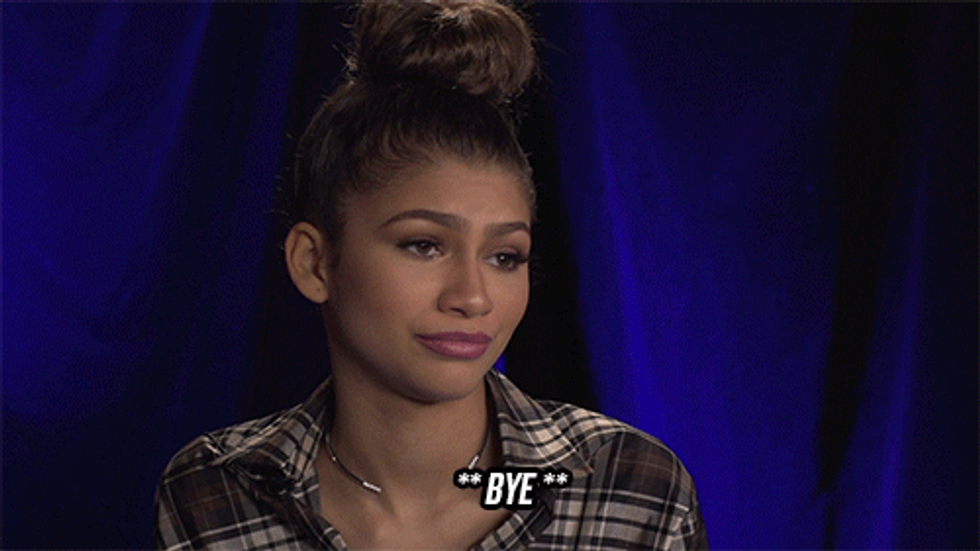
I thank the Lord everyday for the opportunity to grow up in a time where I can walk into the train and see other black women wearing their natural hair. It has also been an empowering feeling seeing women in peaks of power and fame doing the same. However, just as Zendaya wearing her long hair of Marley twists was seen as smelling of patchouli oil and unfit for the red carpet, a segment on one minute hairstyles on the "Today" show has shown that once again, there is still a lot to be done for black hair to be accepted in society.
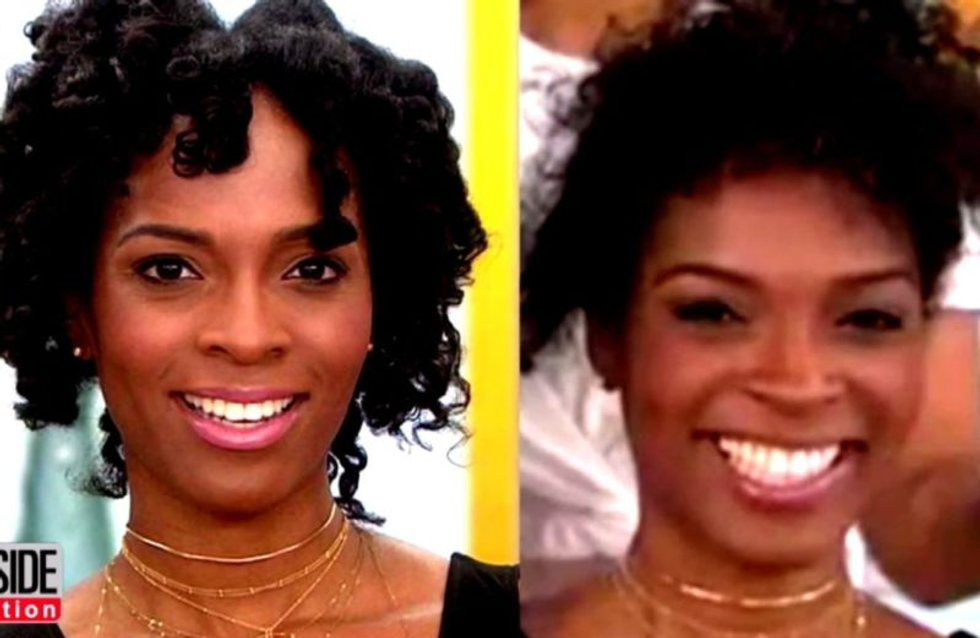
So when Deepica, YouTube beauty expert, decided to leave the model Maylia McNaughton’s hair a mangled mess, the ever growing natural hair community had so much to say.
Attempting and failing at creating a hairstyle with natural hair was the least that she could have done. You know what they say, you have to try things and fail to learn. The problem was that even when it was obvious that she had failed at her attempt to create the 90’s side pony, she brushed it off as if a nest of ruined curls was the style she had hoped to accomplish.
Beautiful, they had called it.
The problem with the segment wasn't that the stylist failed to complete the hair style in a minute but that she decided to leave it as it was, and move onto another person. She completely ignored the horrendous hairstyle that she had given the model.
Had the stylist expected that it was acceptable? This form of snobbery just goes to show how ignored black hair has been by the hair industry.
The "Today" show wasn't just a tragedy for the female model Malyia, but a public exemplification of the disregard in hair production that black women with kinky hair experience constantly. It revealed the black hair ideology of being unkempt and impossible to sustain. We have been forced to ‘tame’ our natural hair for a society that isn't ready to accept our coils and curls.
As a black woman with my natural hair, I am constantly aware of when and where my hair will be appreciated and welcomed. I've had discussions where the career advice I have received to go to an interview was not to wear my hair a certain way. Or even worse, just by googling unprofessional hair, the top search results are examples of protective styles that black women wear. Also along with Google’s bias comes the endless comments such as:
Is it dry? Nappy? Exotic? messy? Unkempt?
How about it's my hair and I love it.
These critical comments against my hair do not always come from a place of bad intent but are usually a subconscious reaction by people who are not familiar with the versatile textures of black hair. Airing hairstyles that are incomplete or not well done only adds on to this narrative.
I would often get charged extra because my hair is extra tough and thick, and I would also get rejected from salons because they don't treat natural hair. Even worse, people would make comments that I looked better with my hair straight or when I was wearing a weave. And there isn't anything wrong with all this skepticism either, it's just that I wished people loved me just as much in my natural state as much as I loved and accepted myself.
It's hard enough, going to your local beauty supply stores and scanning for products that are both affordable and natural hair friendly. Or even finding someone on YouTube who shares in your natural hair struggle and is being honest about it.
Regardless of how the world has chosen to see my hair, I know how I see myself — I am a strong woman and my hair has only made me stronger. So even though there will be beauty gurus who will not be willing to give me the time of day, or think of my hair as impossible, I know who I am. I also know that with the support of my fellow naturalists we can all vanquish this myth of the black hair being impossible.
When I started my natural hair journey, I didn't know that I was stepping into a battlefield. However with hashtags such as #BlackGirlMagic, #LetItFro, and #NaturalHair, I personally found communities where black women who own their natural hair or wear kinky wigs and weaves, empower other women such as myself.
So let’s be like model Maylia and smile even when the world refuses to accept natural hair beauty, because we have greater beauty and strength than we are given credit for.