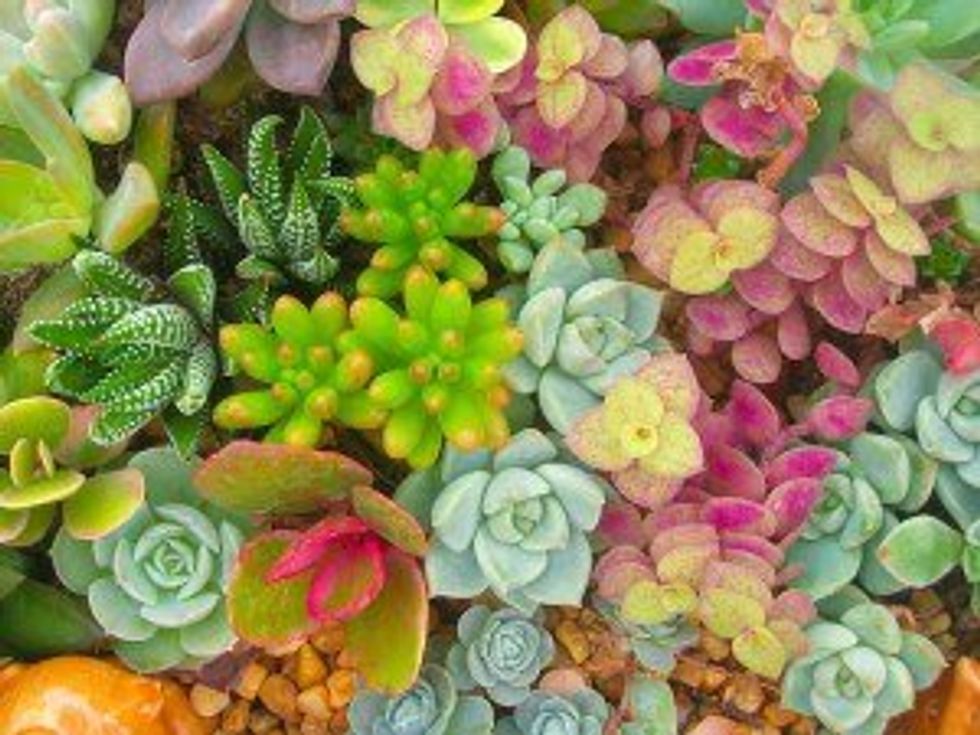
We all know succulents as the adorable, drought resistant, California-friendly plants that add just the right amount of quaintness to our gardens. I love the way succulent plants dress up the front lawn or porch, replacing grass that requires water we can’t spare. As we continue to find new ways to endure California’s drought, succulent plants have proven to be environmentally friendly substitutes that are both low maintenance and aesthetically pleasing.
On July 9th, 2016, OC Succulents in Irvine, California will be holding “Free Succulent Saturday.” This nursery will be giving out succulents of all sorts to families, students, and plant lovers alike.In preparation for this, new plant parents need to be aware of the type of succulent they are taking home and the best way to care for it.
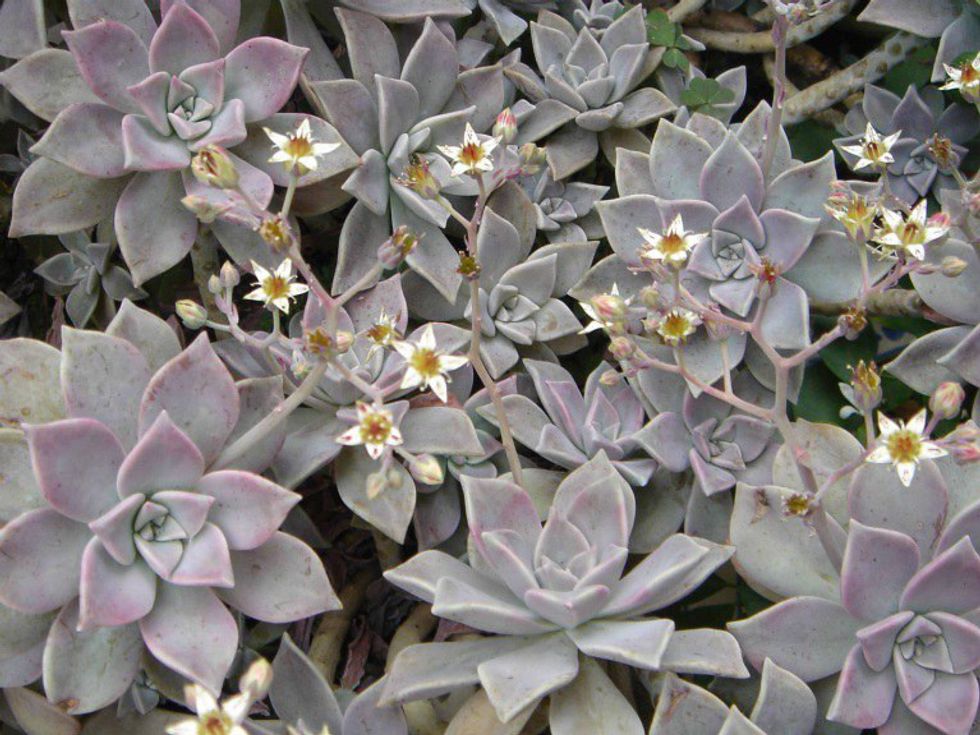
Graptopetalum paraguayense
Sometimes referred to as “Ghost Plant”
This adorable succulent is part of the jade plant family and native to Mexico. It features hard and pale leaves that grow in a floral arrangement. They require soil with good drainage, so use a pot with drainage holes or small rocks and pebbles. Ghost plants are fairly low maintenance and drought resistant, but make sure to place it in a spot with lots of sunlight.
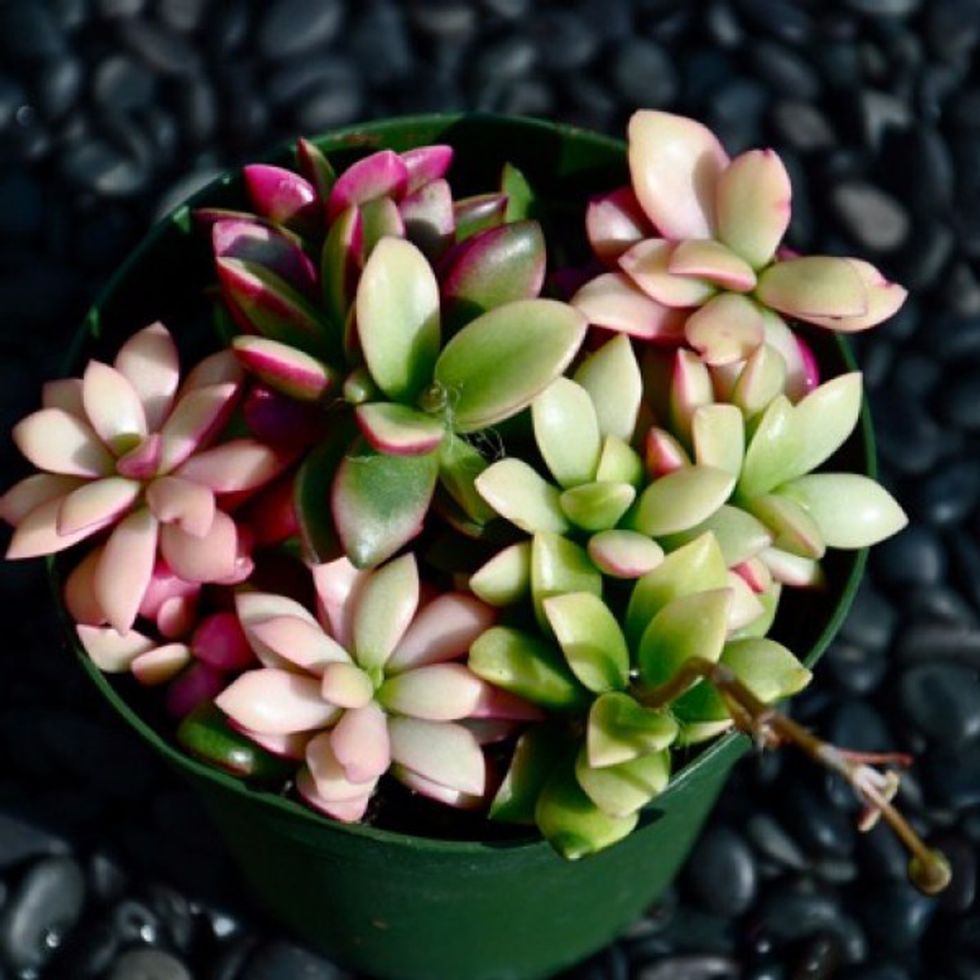
Anacampseros telephiastrum
Commonly known as “sunrise”
These little ones are native to south Africa, and remind me of small lilacs. They need well drained soil; rocky or sandy soil is recommended. Place them under bright sunlight and water them at least once a week. Sunrise succulents benefit from being repotted every once in a while, which also gives you an opportunity to check on its root system.
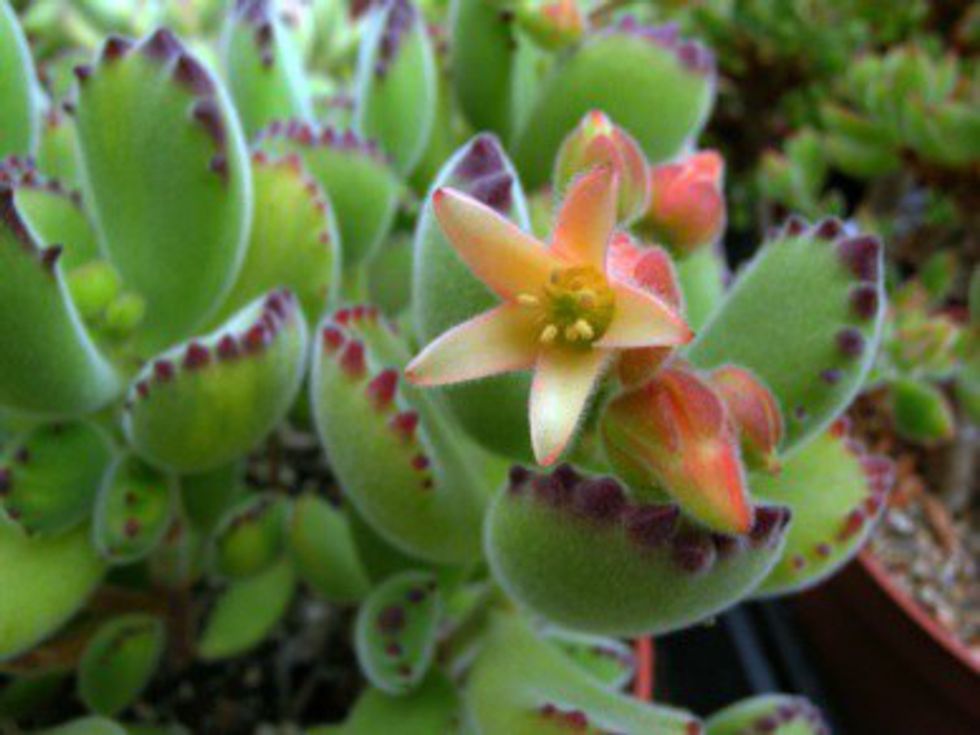
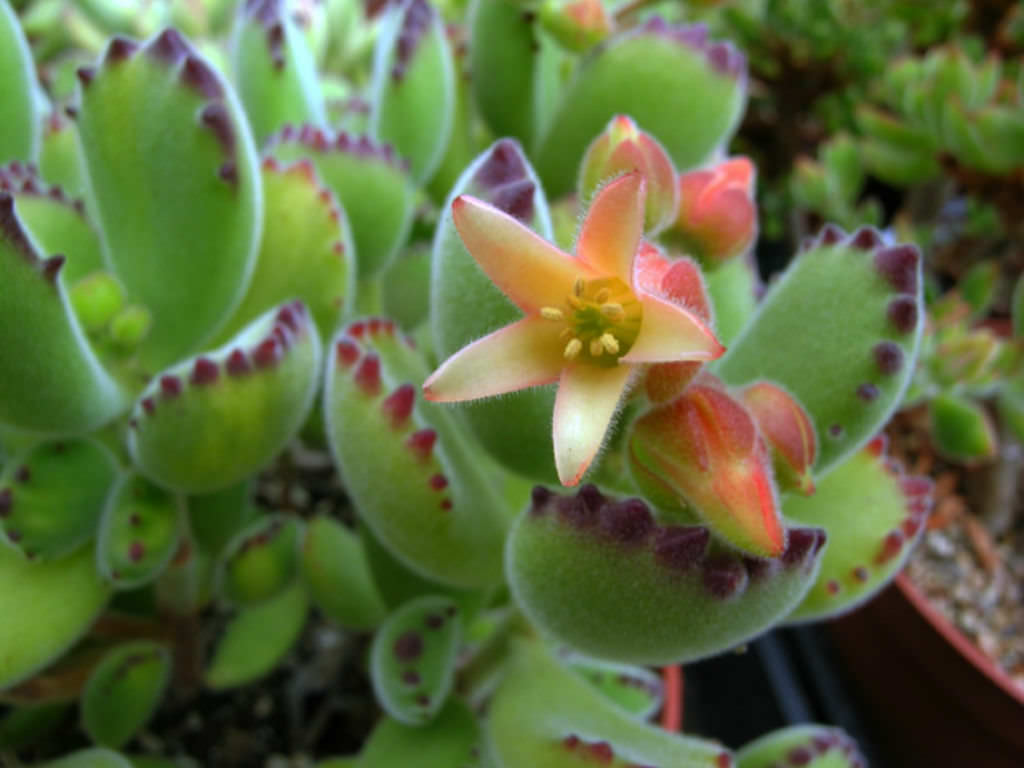
Cotyledon tomentosa
Sometimes called “bear’s paw”
This is ones of my favorites, but I’m biased because I’m a Golden Bear. (Go bears!) Bear’s paw is native to Africa and features chunky, fuzzy green leaves with “teeth” that make them look like paws. Bell shaped flowers in warm colors like yellow, orange, and pink bloom alongside the flat, hairy leaves. These need lots of sun and porous soil. It may also require pruning as it grows in order to maintain an attractive shape. Be careful of overwatering these.
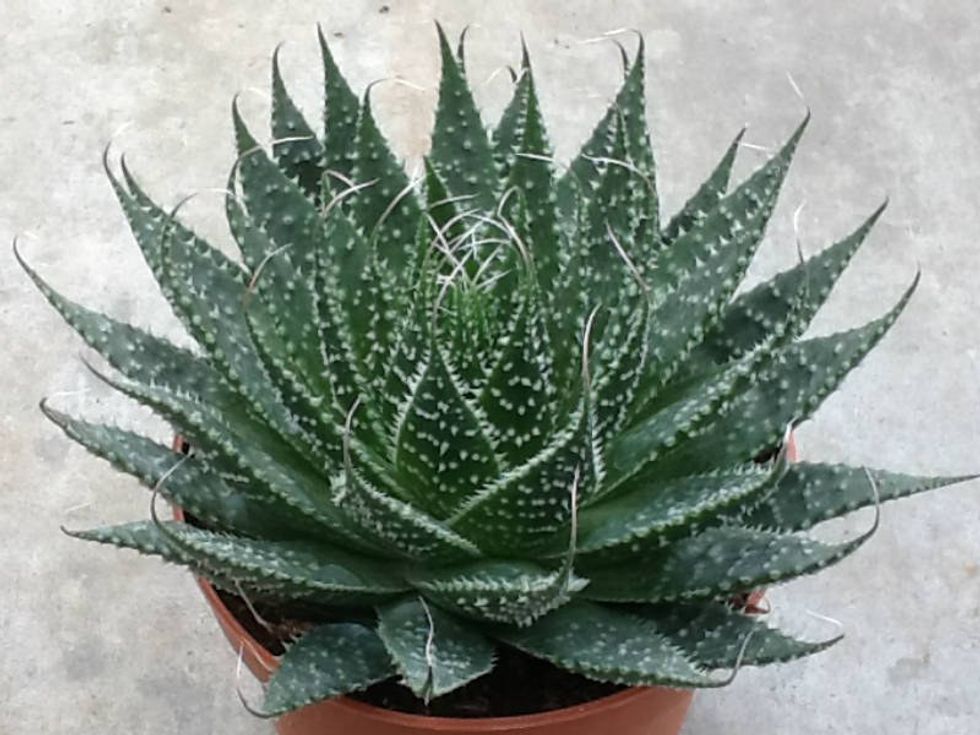
Aloe aristata
Called lace aloe or torch plant
Lace aloe is stemless and grows in rosettes. Use sand or loam instead of soil or rocks. Place it in a sunny area, and bring it inside in colder weather. This succulent is generally low maintenance and drought resistant.