
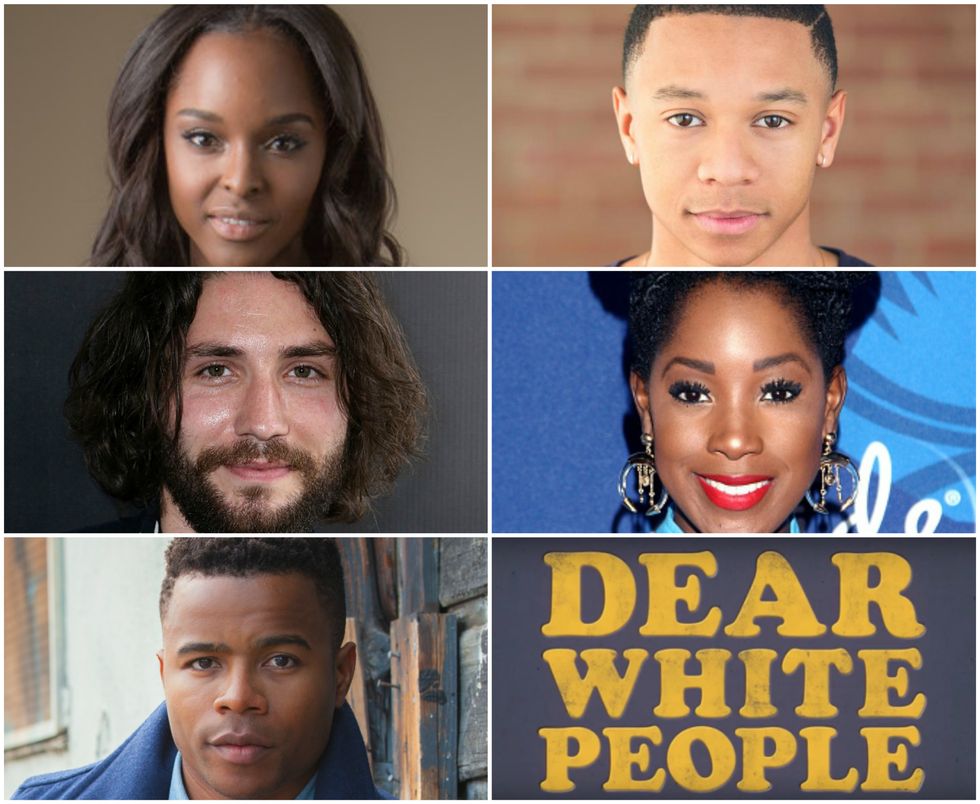
(Minor spoiler alert!) When I first saw the movie on Netflix, I expected something similar to an SNL skit. The title was so bold, I figured it would be a highly comedic satire that made everyone laugh more than anything. I was used to seeing Tyler James Williams in "Everybody Hates Chris," so that furthered the idea that the movie was a light-hearted commentary on the institution of racism in America.
I was wrong.
The movie first and foremost portrayed how most people of color are treated at a PWI -- a predominantly white institution. It also discusses the appropriation of other cultures for the enjoyment of white people and colorism within the black community. It welcomed so much attention, Netflix decided to recreate the film into a series that came out April 28 of this year.

Rotten Tomatoes immediately gave the show a 100% rating, placing it among other media released this year dealing with institutional racism, such as "Get Out" and "Hidden Figures."
I knew I had to watch the show, because the movie was so riveting, so I managed to binge-watch it within a night. My immediate impression was that, just like the movie, it not only addressed problems white people must overcome, but also problems people of color must realize. It did not attack white people like most would expect from the title. It addressed the problem of black face, microaggressions, elitism and branding black people with “thug culture.” It definitely pulled out all the stops with powerful phrases that directly explain the reason why white people can’t say the “n word” or why reverse racism isn’t a thing.
But it also called out black people.
The show portrays a fairly exclusive black student community with different subgroups and personalities. As it explains each student that is a part of this community, it describes an ordinary person anyone would recognize.
Colandrea Conners creates the character of a dark-skinned black girl who struggles with the weight of her skin color and how to transform herself from it. She goes by Coco and distances herself from black culture to excel.

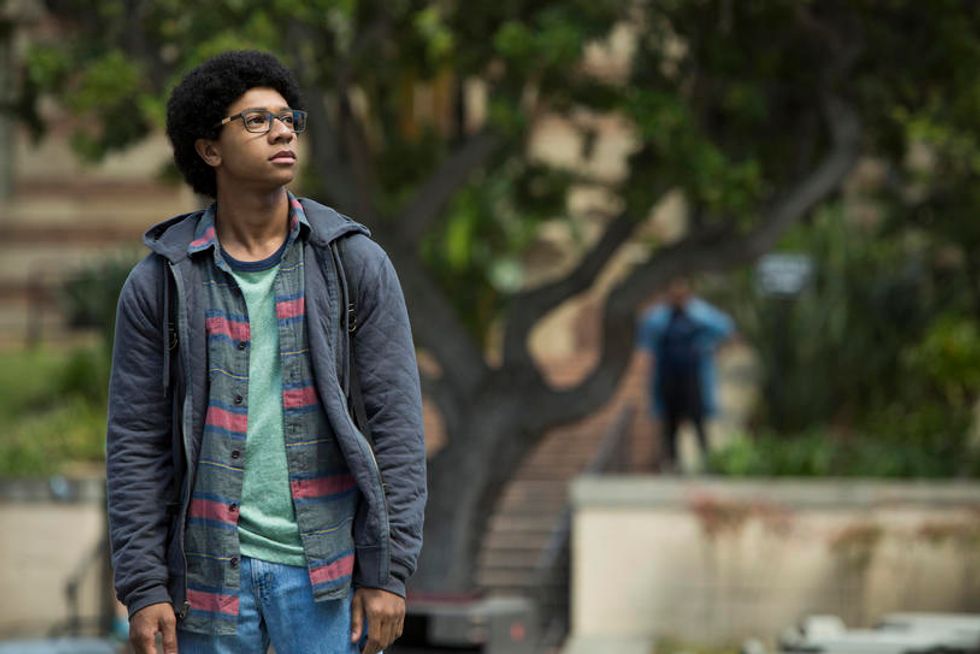
Lionel Higgons represents the quiet, less-involved young black man that doesn’t feel quite comfortable in black culture. He doesn’t know what to do with his hair and wasn’t recognized as a part of the community by others in high school. He also struggles with another identity as a gay man.
Samantha White is the main character of the show. She leads the black community in protest, has a fiery attitude about race relations at the university, and dates a white guy. Though not going too in depth on the struggles of being a biracial person, the show illustrates how Sam comes to a crossroads with the revelation of her relationship with the white guy, Gabe, as she is the leader of a powerful black student movement. It shows that the crossroads shouldn’t be there. Biracial people should not have to choose between their dual identities to please others or be accepted by all.
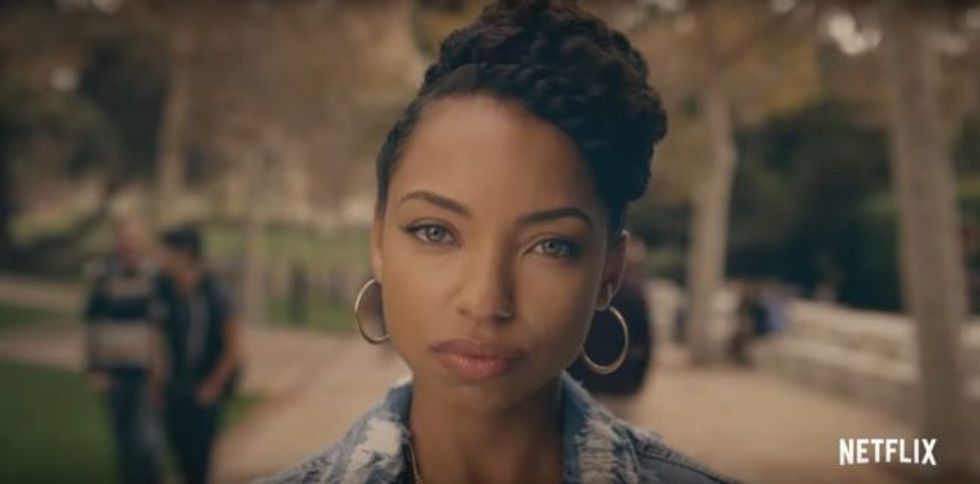
In episode 1, Sam’s best friend, Joelle, confronts her about her relationship with Gabe and Sam replies that she’s biracial as an explanation. Joelle says, “You’re not Rashida Jones biracial, you’re Tracee Ellis Ross biracial” (Episode 1). This highlights the idea that biracial people must fit into one box and play one part in the play, when their identity calls for two.
Among other powerful parts of the show, some of my favorites are when Sam is the only black person in a class talking about slavery and is expected to speak, when Reggie reads his poem about the undermining oppression people of color continue to face and the obsession with "Defamation," the "Scandal" parody.
I believe "Dear White People" is important for everyone to watch. My advice to white people who are immediately turned off by the title is to at least watch the first episode. It does serve some cold, hard truth on things white people may not have known they were doing, but it does not mean to attack and degrade white people for the benefit of people of color. My advice to black people is to not just believe the show is geared towards white minds. There are reforms needed within the black community; divisions that make the community weak and untrusting are pointed out in the show and need to be recognized.
Overall, the show is a much-needed breath of fresh air that 2017 just keeps serving. As the year gets more interesting, many of the criticisms and situations in the show will become a reality for many that can no longer be ignored.

















