
The Who: Mod Culture, Teen Angst and Rock 'n' Roll | The Odyssey Online
Start writing a post
Entertainment

The Who: Mod Culture, Teen Angst and Rock 'n' Roll

The Who?

67
The Who: Mod Culture, Teen Angst and Rock 'n' Roll
Unsplash

The Who, formed in 1964, was one of the British rock groups that dominated the 1960s and 1970s. The members include Pete Townshend, Roger Daltrey, John Entwistle, and Keith Moon; Keith Moon was later replaced by Kenney Jones in 1970. They’re known for pioneering rock opera, progressive and arena rock music. Originally called the Detours, they changed their name to the Who because they thought it was more impactful.
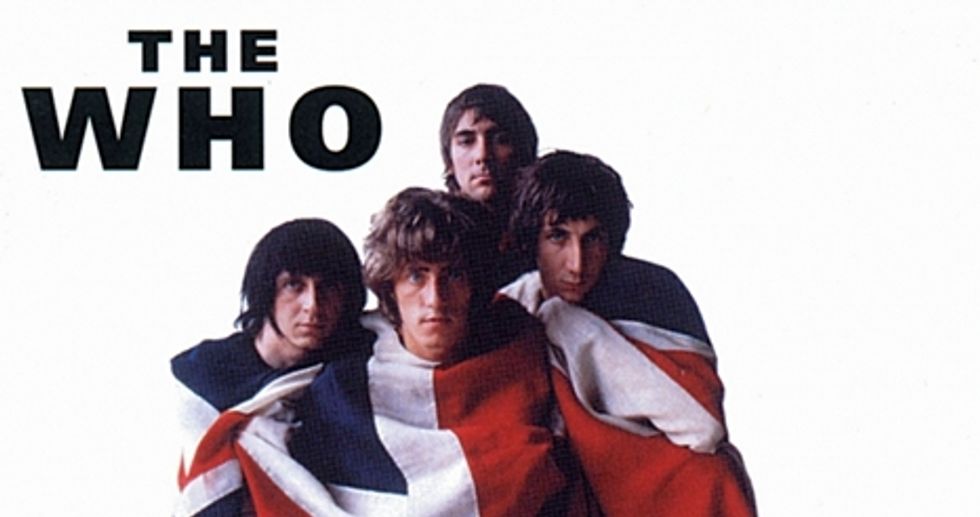
During the early ‘60s, the band was struggling to make it big, so in the meantime, most of the members worked odd jobs and performed at small clubs in London. Once they had a manager, they were encouraged to experiment with R&B music and embrace the Mod movement, a British youth subculture characterized by unique fashion and alternative music. The Who wrote and released powerful songs about feeling isolated and frustrated. At one of their concerts, Townshend, the guitarist, accidentally smashed his guitar; this became popular with mod culture as it resembled auto-destructive art. The band described the destruction of their instruments as a type of relieving practice.

The Who’s popularity compared to that of other British rock legends like the Beatles and the Rolling Stones. Their sound was mainly inspired by American R&B and American artists like James Brown, Booker T. & the MG’s, and Eddie Cochran. However, they were a lot more successful in Britain than in the United States. They separated themselves from other artists at the time by not writing songs about peace and love. Instead, they wrote and sang songs about unreciprocated lust, peer pressure, and bugs.
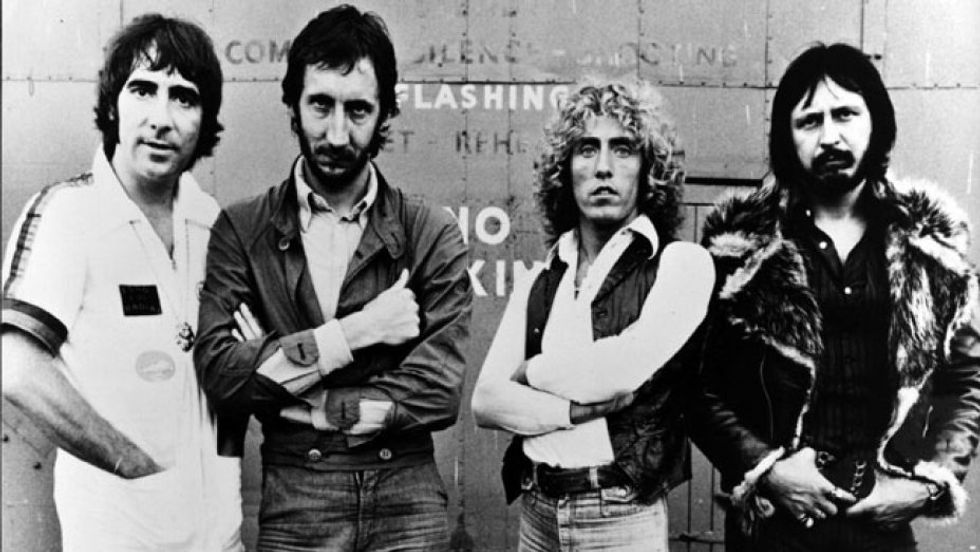

One of the Who’s biggest songs was the teenage angst hit, “Baba O’Riley.” Other iconic hits include “My Generation,” “Won’t Get Fooled Again,” “I Can’t Explain,” and “I Can See for Miles.” They also wrote a couple soft romantic songs like “Behind Blue Eyes” and “Love Ain’t for Keeping.” One of the Who’s most popular rock albums was "Who's Next", which was a best-seller and solidified the band as famous rockers. Other albums include "Tommy," an adventurous rock opera about the struggles a Who fan named Jimmy, and "Quadrophenia", a follow-up album to "Tommy" that feature songs about real-life happenings like the Brighton Beach brawl that pitted mods and rockers against each other.

The Who had a huge impact on teenagers and the mod culture in the ‘60s and ‘70s because of their relatable and edgy rock ‘n’ roll music. The Who influenced more current artists like Eddie Vedder from Pearl Jam, Billie Joe Armstrong, Wayne Coyne from the Flaming Lips, and Bono from U2.

Because the Who didn’t write many songs about love, the type of songs which dominated the ‘60s, they were viewed as punk outcasts. Even though that may seem alienating, the Who was loved by millions of fans. The Who’s Next tour set the Who as one of the must-see rock bands in the world.


Report this Content
This article has not been reviewed by Odyssey HQ and solely reflects the ideas and opinions of the creator.
Entertainment

Every Girl Needs To Listen To 'She Used To Be Mine' By Sara Bareilles

These powerful lyrics remind us how much good is inside each of us and that sometimes we are too blinded by our imperfections to see the other side of the coin, to see all of that good.

683025
Every Girl Needs To Listen To 'She Used To Be Mine' By Sara Bareilles

The song was sent to me late in the middle of the night. I was still awake enough to plug in my headphones and listen to it immediately. I always did this when my best friend sent me songs, never wasting a moment. She had sent a message with this one too, telling me it reminded her so much of both of us and what we have each been through in the past couple of months.

Keep Reading...Show less
Zodiac wheel with signs and symbols surrounding a central sun against a starry sky.

What's your sign? It's one of the first questions some of us are asked when approached by someone in a bar, at a party or even when having lunch with some of our friends. Astrology, for centuries, has been one of the largest phenomenons out there. There's a reason why many magazines and newspapers have a horoscope page, and there's also a reason why almost every bookstore or library has a section dedicated completely to astrology. Many of us could just be curious about why some of us act differently than others and whom we will get along with best, and others may just want to see if their sign does, in fact, match their personality.

Keep Reading...Show less
Entertainment

20 Song Lyrics To Put A Spring Into Your Instagram Captions

"On an island in the sun, We'll be playing and having fun"

581459
Person in front of neon musical instruments; glowing red and white lights.
Photo by Spencer Imbrock on Unsplash

Whenever I post a picture to Instagram, it takes me so long to come up with a caption. I want to be funny, clever, cute and direct all at the same time. It can be frustrating! So I just look for some online. I really like to find a song lyric that goes with my picture, I just feel like it gives the picture a certain vibe.

Here's a list of song lyrics that can go with any picture you want to post!

Keep Reading...Show less
Chalk drawing of scales weighing "good" and "bad" on a blackboard.
WP content

Being a good person does not depend on your religion or status in life, your race or skin color, political views or culture. It depends on how good you treat others.

We are all born to do something great. Whether that be to grow up and become a doctor and save the lives of thousands of people, run a marathon, win the Noble Peace Prize, or be the greatest mother or father for your own future children one day. Regardless, we are all born with a purpose. But in between birth and death lies a path that life paves for us; a path that we must fill with something that gives our lives meaning.

Keep Reading...Show less

Subscribe to Our Newsletter

Facebook Comments