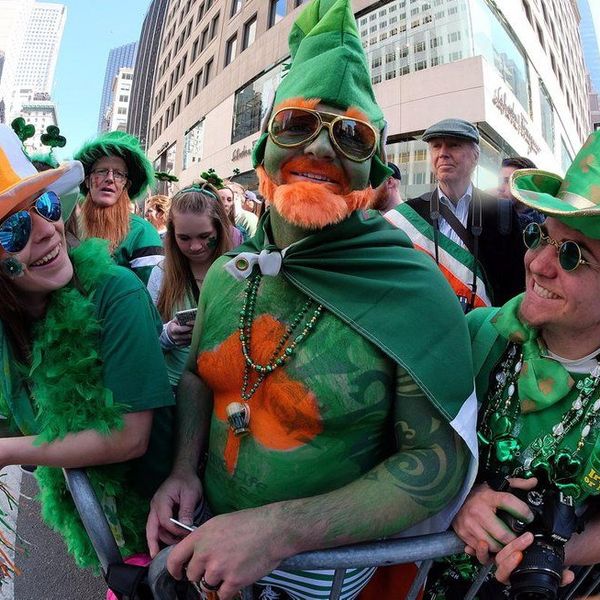
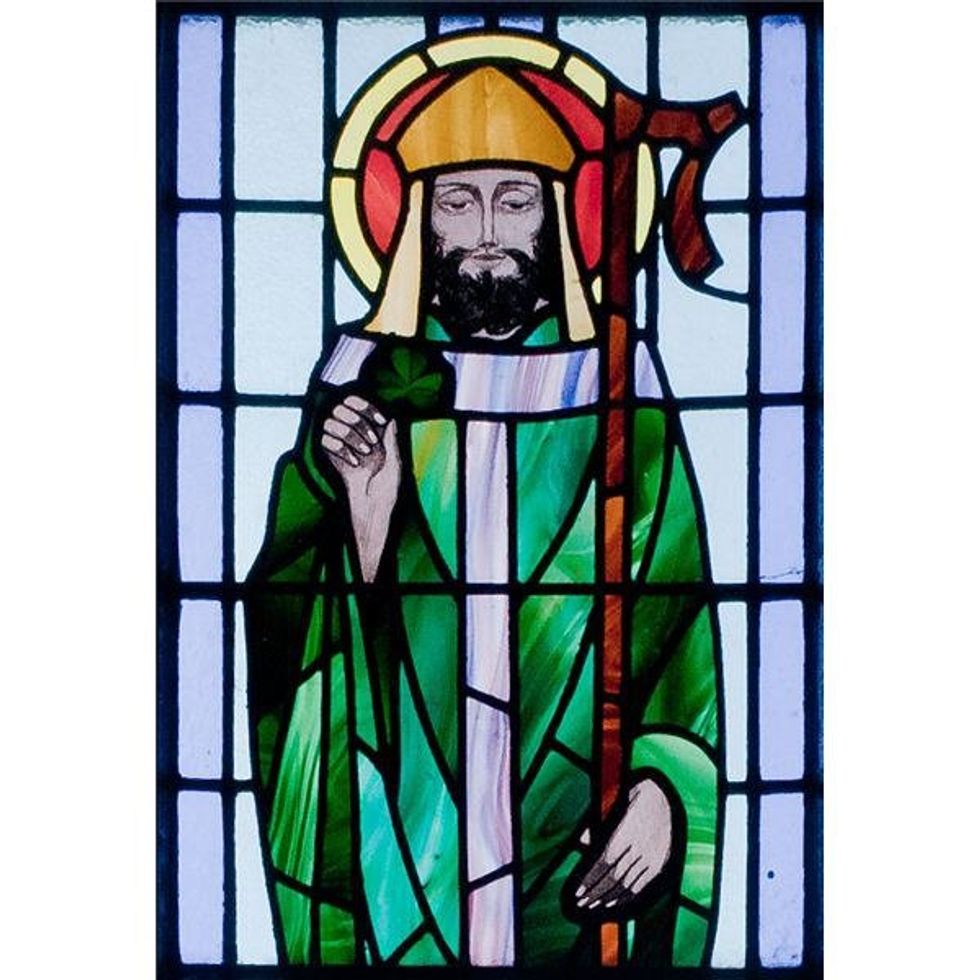
St. Patrick's Day has once again come and gone away. The leprechauns have had their dance and have hidden their pots of gold away, and we will wait another year to see them make another appearance in the store advertisements and parades. Where is St. Patrick in all of this? Does he only ever show up once a year? Of course not! He is ready every day to intercede on our behalf if we ask him to, yet he is such an important saint that we have a day to remember his life. It's sad that St. Patrick's Day has become more about luck, corned beef and cabbage, and the color green than it is about the one who's name is used in the title of the day itself. What use is there in celebrating if we have lost sight of the reason why we are celebrating? The following is a list to help us know a bit more about St. Patrick:
1. Who is St. Patrick anyway?
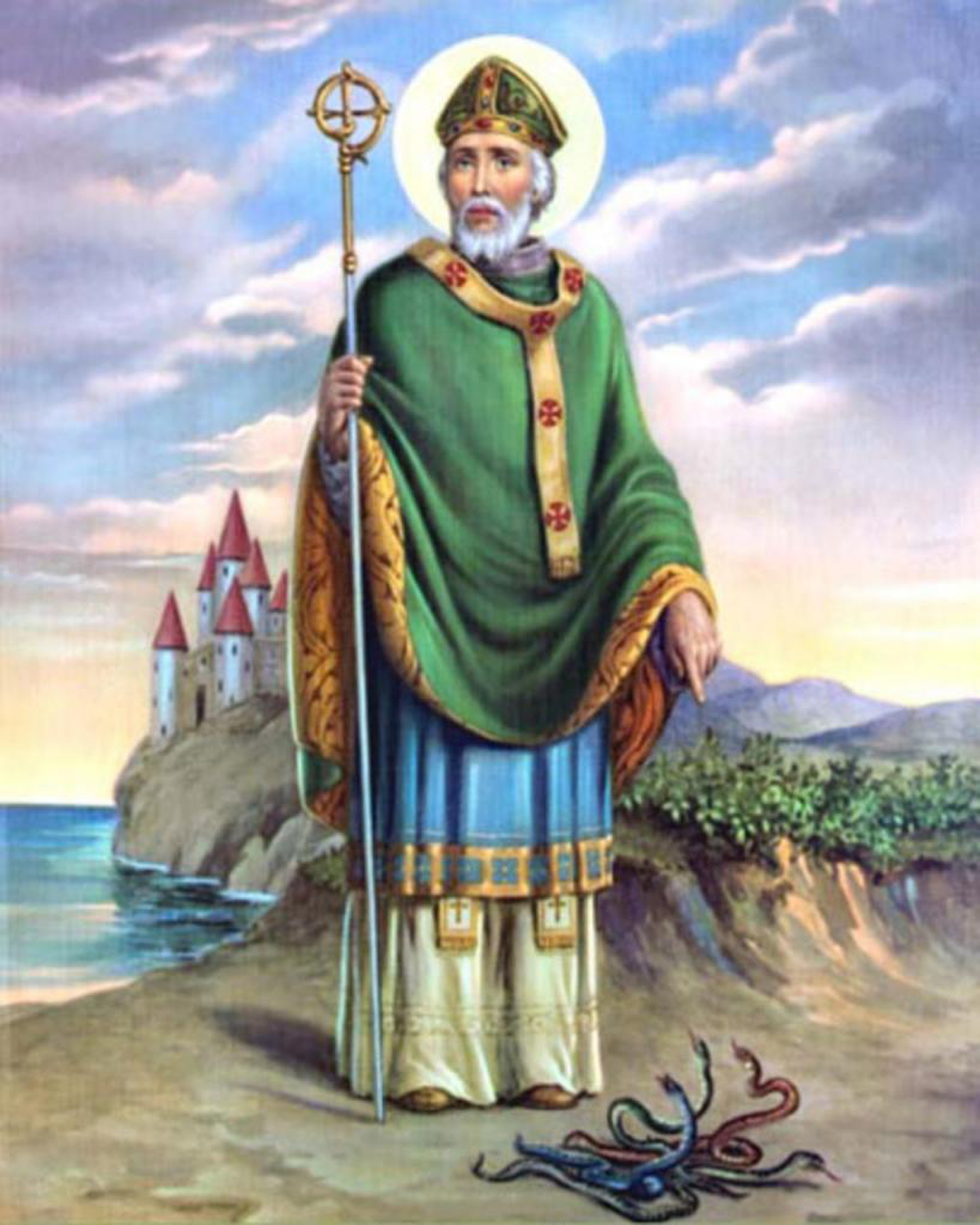
What is interesting is that St. Patrick is actually not Irish! He was actually born in Britain but ended up in Ireland because he was captured as a slave. He escaped after six years and decided to study in France to become a priest. He later ended up in Ireland again, but this time, as a missionary.
2. Why March 17th?
March 17th was the day that St. Patrick died in the year 461. It is amazing that his example continues to affect us over 1500 years later!

3. His Name
St. Patrick was actually really named Maewyn, but Pope Celestine I named him Patricius (Patrick), which means "noble" in Latin.

4. Why the Shamrock?
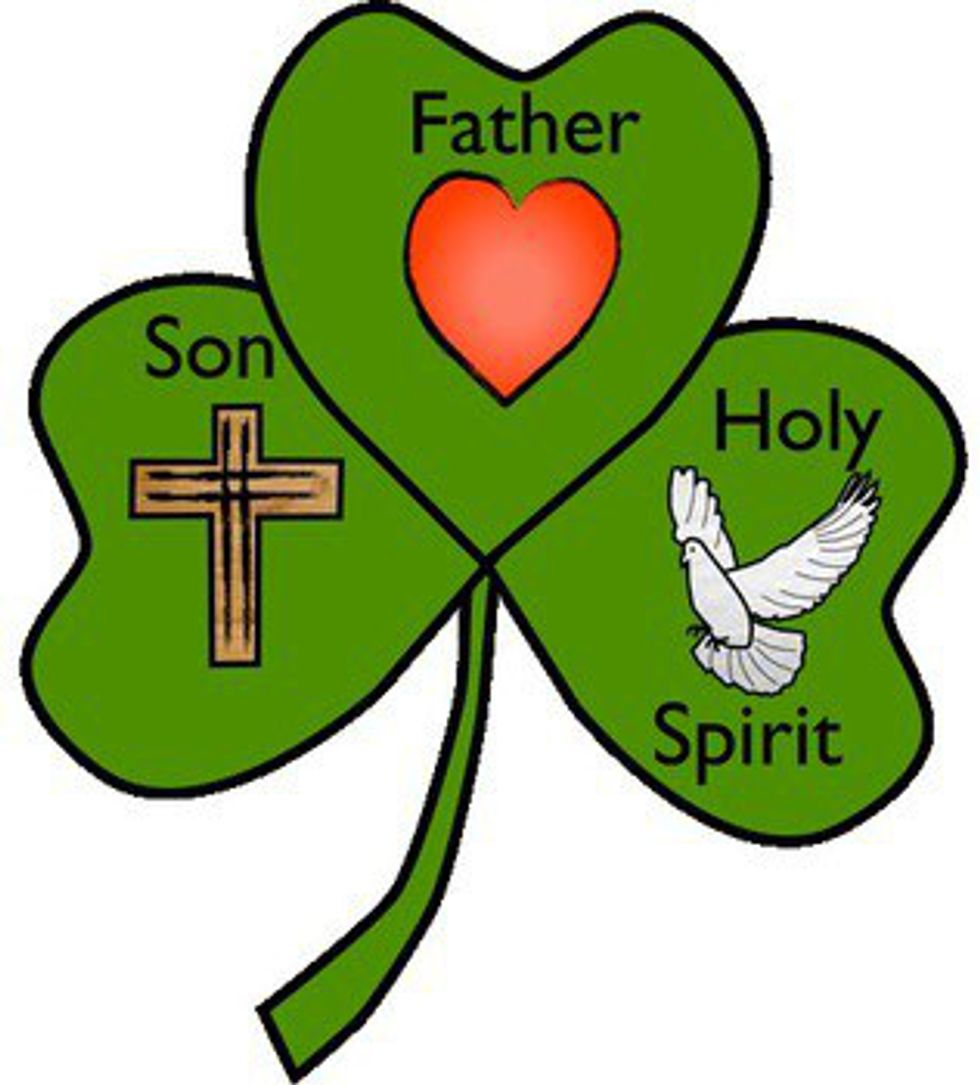
St. Patrick used the Shamrock as a means to teach the Christian faith. It works as a wonderful symbol to explain the Holy Trinity, in which each petal represents each Person of the Trinity–Father, Son, and Holy Spirit–yet at the same time, they are still One, represented by the unity of the one plant.
5. Why Green and Leprechauns?
The only reason the color green and those spritely little creatures called leprechauns are associated with St. Patrick's Day is because they are associated with Ireland. Since St. Patrick made such an impact on Ireland through his evangelization, the Irish claim him as their patron.
6. The History of the Day
St. Patrick's Day became a feast in 1903, but their celebrations looked a lot different than they do today. In Ireland, drinking was banned on St. Patrick's Day until the 1970s. The feast day focused on attending church and having feasts together. Sadly, much of the focus today is not centered on commemorating St. Patrick himself.
7. Why he was a great man
St. Patrick is honored on this day because of the impact that he had through evangelization. He is an example to Catholics of someone who trusts in God and is unafraid to stand up against opposition. He was respectful of the culture he entered and knew how to talk to others in a way that they could understand from their own perspective. In a time of many differing views, we need to once again turn to St. Patrick as a man who can teach us how to speak with others about the Faith.

Let us remember, as we take down the shamrock decorations, what that shamrock stands for and what is truly at the heart of this celebration. Let us remember the message it has for us–We must continue to be unafraid, to always trust in God no matter what the circumstance, and trust in the guidance of the Holy Spirit in our daily opportunities for evangelization.