
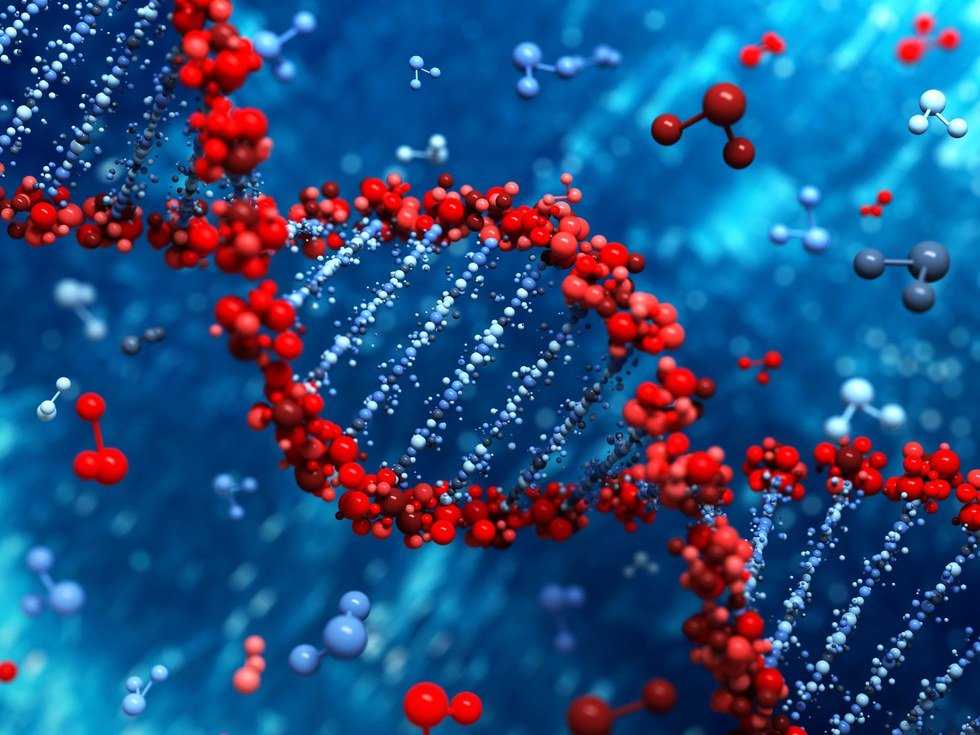
Genetic engineering is a common term of the modern era. As of late, people have become more and more aware of the frequency of genetically modifying fruits, vegetables, and just about anything edible. Consequently, there have been growing concerns over the risks of consuming such food. Considerable apprehension over genetic modification is not unreasonable however for,
"In the United States today a huge proportion of the most commonly grown commodity crops are genetically engineered: 95% of the nation's sugar beets, 94% of the soybeans, 90% of the cotton and 88% of the feed corn, according to the 2011 International Service for the Acquisition of Agri-biotech Applications report."
With knowledge of just how immense the market for genetic engineering has become, we begin to feel as if we have no control over what we put into our bodies. It is probably why organic food stores and supermarkets have seen a huge profit in recent years. Even more specifically, people are demanding genetically modified food be labeled as such; however, by understanding that most of our crops are genetically engineered, it may just be easier to label what is organic. It is therefore safe to assume that most of what isn't labeled organic or GMO free, may indeed be laboratory modified in some sort of way.

Despite the great distress over the lack of natural crops, it is still not clear whether GMOs are actually "bad" for you. Presumable risks include, "infertility, immune problems, accelerated aging, faulty insulin regulation, and changes in major organs and the gastrointestinal system." With such a new concept, it is not improbable that we may experience unwanted side effects.
Genetic engineering is a large topic of controversy for a number of reasons. Some believe that such modification is akin to natural selection and breeding of crops--preserving seeds of desired traits. Still, the process is much different. Since the consumption of food is a large business, fruits such as tomatoes may be modified to appear more red, causing it to become less nutritious or tasteful in the process. This is an automatic consequence of engineering. Even more concerning is that most crops are modified to be resistant to pesticide. The result of said actions can be insurmountable. Yet, it is not clear whether we will truly know the risk of consuming these foods just yet, even with many pointing towards the negative aspects of it already.

However, the more apparent detrimental effect is the lack of sustainable farming; the process of natural farming without the use of modification or growth of mono-cultures--cultivating a single specific crop in a large area. Having a mono-culture can destroy the soil of the land over time. What most people don't know is that soil can die; it becomes virtually unusable if not cultivated through natural means. Growing the same crop in one area contributes to said destruction of soil, for it strips the soil of its nutrients through lack of variety. If land becomes unusable, the argument for using genetic engineering to create an abundance of food is counter-intuitive, at least in the long run.
Even if there is increased worry over the long term effects of genetic engineering, it is still not enough to deter consumers from purchasing the cheaper alternative. Organic food is just more expensive. This is the case for many working and middle class Americans. Even for myself, I cannot help but go for what will cost me less. Though it is a good point to make, it is also important to reevaluate our priorities. We make the effort to buy clothes that may be more expensive, spend money on cosmetics and material items, but food seems to be what we buy cheap if we are able to. Ultimately, shouldn't we care more about what we put into our bodies than what we put on them?