
For years, scientists have debated whether or not it is possible to stop time. Although I am far from an experienced scientist, I find the answer to be quite straightforward—time can be stopped, and is done so thousands of times a day. Since its invention in 1816, the camera, a piece of technology that captures moments by stopping time itself, has made remarkable advances. By 1975, the digital camera had been invented, which made this ingenious device even more appealing to people who desired to document their memories.
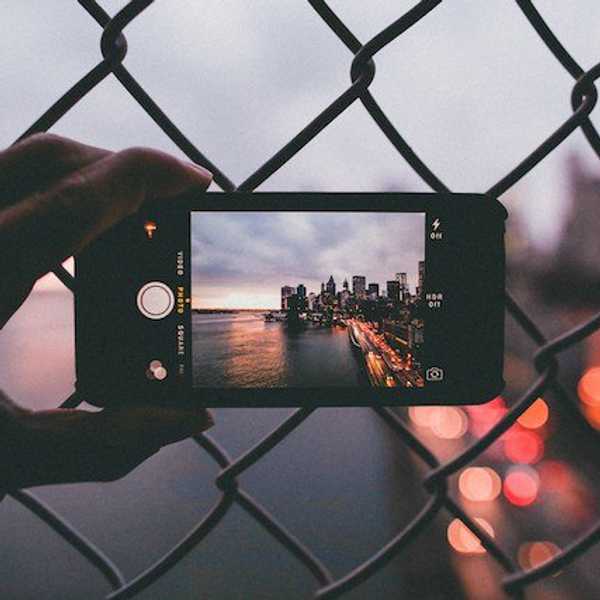
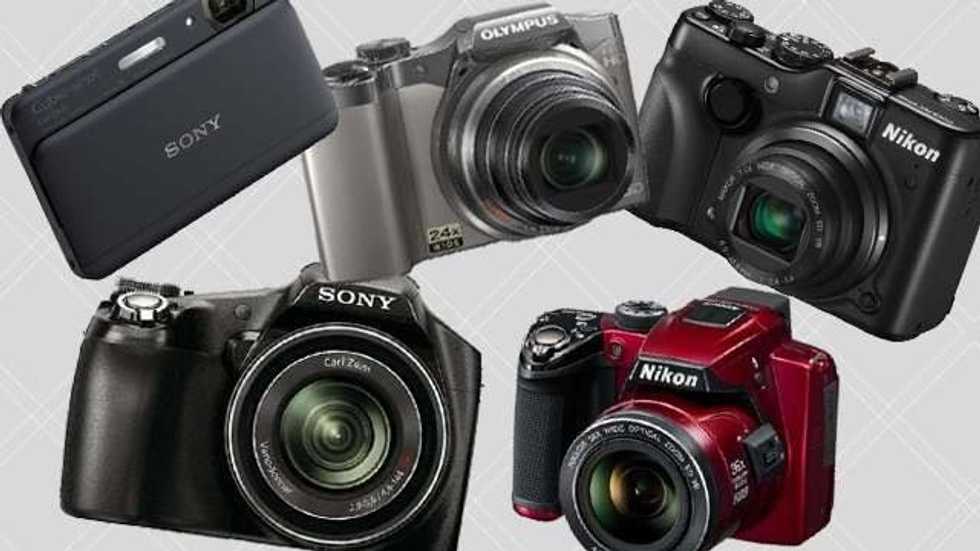
Whether it is a digital camera, a GoPro, an SLR (the “good ones” that photographers use), or simply the camera incorporated into the iPhone—which unfortunately encourages the narcissistic trend appropriately dubbed ‘selfies’—it is clear that people use cameras in order to capture the moments they wish to cherish for far longer than a blink of an eye. Traveling the world? Use your Nikon SLR (SLR stands for single reflection reflex, which uses light to produce a high-quality image) to capture the beautiful scenery of the snowy Alps while on your European adventure, or maybe you choose to bring your GoPro along with you as you glide over the verdant country of New Zealand via zipline! Regardless of the event, cameras provide users the opportunity to document moments, which can later be shared with others.
The magic of this supposedly ordinary object, however, is that a picture taken from it serves as not only a record of an event, but also a reminder of a forgotten time. I have recollected countless experiences while searching through old photographs, such as the times when my sister and I would dress my little brother Andrew up as a ballerina, and the momentous day I first wore makeup to school (my father was not happy about that one). Without pictures reminding me of certain memories, the experiences would likely drown in the deep sea of the past. Taking pictures moreover helps me appreciate the “small things” in life, such as the perfect reflection of the moon over a serene ocean and the vivid hue of the single rose that gracefully grows in my garden.
Cameras also give alternative perspectives to things; through the use of a flash, for example, an otherwise mass of darkness is made visible, and the use of the micro setting pushes one to notice the beauty in details that would otherwise seem insignificant. In my own life, I reason in the multi-perspective way cameras function and always aim to see things from various angles. Furthermore, the camera is a totem that represents many features of my life and reveals many aspects of my character. The technological developments the camera has undergone in the years since its invention proves that it is dynamic and able to change when opportunities allow it to; I have experienced such a change in my life through my development from childhood to adulthood, as well as through my intellectual growth from my years and years of schooling.
Cameras are designed with an auto-focus mechanism, in addition to various manual setting options. The camera’s simple adjustments to setting differences express my own natural tendency to assess a situation and then act accordingly to the matter. Additionally, I aspire to be optimistic in all matters; even if a situation looks dark, I can just turn my flash on to see the good that’s right in front of me! The oversized zoom lens on the camera illustrates my willingness to get to know people on a level deeper than the usual “friends by association” relationship.
Although the camera fails to convey to others why I may cherish each experience, the values the camera upholds are personal to me and do not need to be explained to others; capturing memories—some remembered, and some forgotten—represents my desire to preserve the moments I hope to cherish forever. The camera is technology that not only allows one to savor the sweetest memories of their lives, but helps one share those experiences with others in a dimensional way that differs from the otherwise "black and white" portrayal of memories.