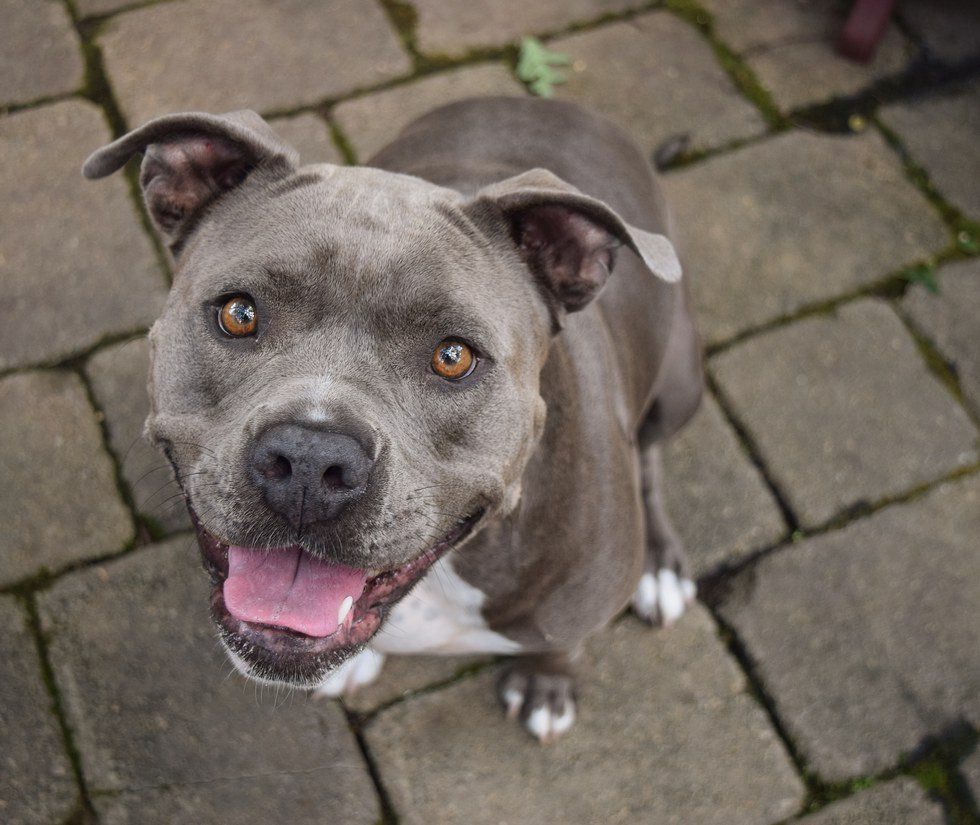
Discrimination can be seen at all levels of our society, even right down to the furry, four-legged creatures we call pets. Two years ago, my mom and I decided to add a new member to our family, a beautiful dog, named Sadie May. Unlike our other pets, Sadie was different. Everywhere we went—whether it was to the park to walk a couple laps on the track or a vacation to the sandy shores—people shied away from her, like they were afraid she would harm them if they came too close. Of course, Sadie never knew the difference in how someone acted toward her, she simply flopped her ears and walked away. I however, had a much harder time coming to terms with the fact that people were genuinely afraid of my dog, because I had never experienced animosity toward an animal I had never encountered.
This institutionalized fear comes from the fact that Sadie is a full-blooded pit bull, a particular dog breed that is commonly stereotyped as vicious, cold-blooded killers by our society. Now, if you have ever met my dog, you quickly note that Sadie would probably lick you to death before she would ever think to harm you, but people choose to base their opinions of her on what she looks, rather than how she acts. So I decided to do some research to maybe understand where this stigma came from and why my dog is labeled as cruel.
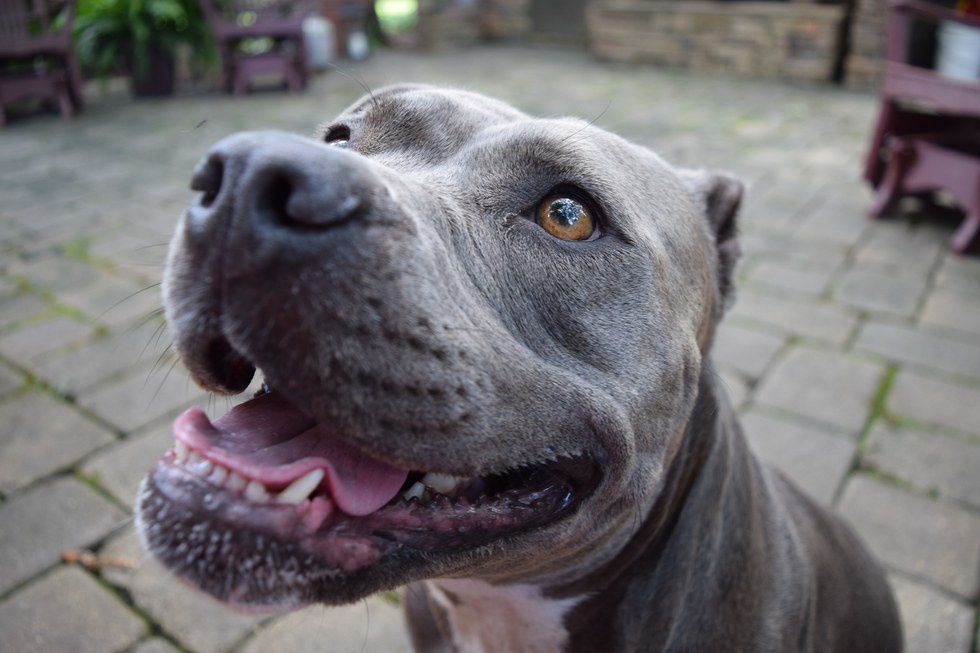
A pit bull is a type of dog, just as retrievers, shepherds, and spaniels describe types of dogs. The term “pit bull” has no single, solid scientific definition. Your idea of a “pit bull” is a personal and individual idea; no one else’s idea of a pit bull will be exactly the same. A pit bull today is nothing more than a dog with a certain look and features, some, of which being a muscular build and a wide set nose. In the 1830s pit bulls were utilized specifically for dogfighting due to their “innate” fighting prowess. By breeding bulldogs and terriers together, it produced a dog that combined the agility of the terrier with the strength of a bulldog creating the pit bull. To this day, pit bulls remain the majority of dogs used for illegal dog fighting in America.
It only takes a brief look at the history of this particular breed to realize that the dogs are not the problem, but the human beings who misuse them are. Pit bulls scored the 2nd highest temperament score of 87 percent according to the American Temperament Test Society. Pit bulls scored higher than 121 other breeds including the family friendly golden retriever. Simply put, dogs are a product of their environment. Many pit bull attacks are due to poorly bred and badly trained dogs raised by backyard breeders, who intend to make a profit on the pit bill’s growing reputation as a cheap, but deadly effective guard dog. No dog is born vicious, and like everything else in this world, it is mankind we have to blame for the canine racism instilled within the minds of others.
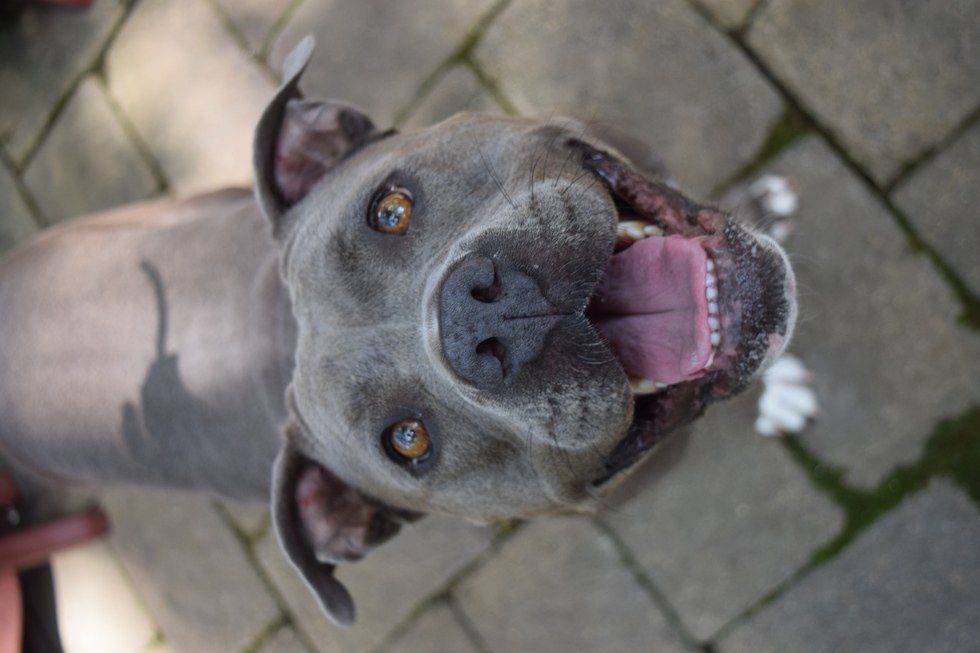
I would like to shed some light on the true wonders of a pit bull. From family companions to search and rescue dogs, pit bulls are invaluable to many aspects of our society. They are seizure watchdogs, diabetic alert dogs, help comfort nursing home residents and overall provide services of all kinds to their human counterparts. So I challenge everyone reading this to think before you judge and recognize the difference in the eyes of a malicious killer or just a furry, four-legged creature who truly deserves the label of man’s best friend.
For more information on pit bulls, go to the American Pit Bull Foundation.