
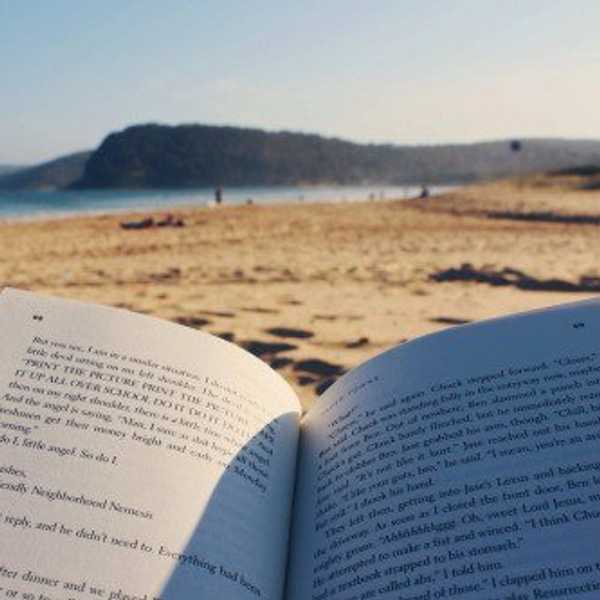
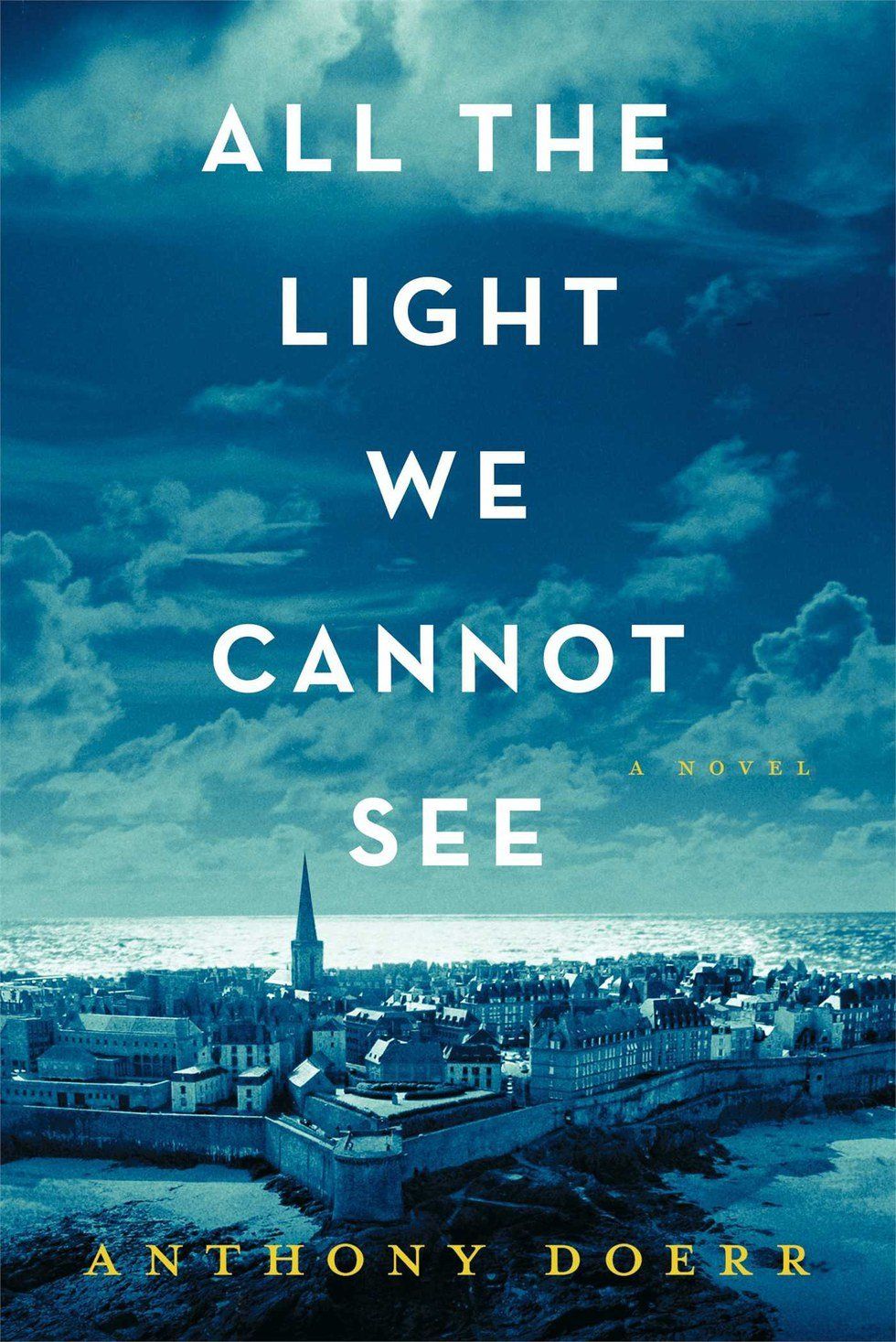
This Christmas break I began reading Anthony Doerr's "All the Light We Cannot See". I began it completely unaware of what it was about or that it was a Pulitzer Prize winning book. I began reading it based on the recommendation of an old high school teacher of mine, although it took over a year for me to take that recommendation seriously. Now, before I get to my point, I encourage all to read this book. I hope this blurb makes sense to those who have not read the book and has some value to those who have.
There's a moment in "All the Light We Cannot See" where a blind character discovers that to touch and feel something is to understand it completely. It is as if, to her, texture is a pure definition of the world. That is how I feel about Doerr's characters: they're textured. I get to the pure truth of these characters in my feeble attempts to grasp them and feel them. I thank Doerr that my attempts to grasp his characters are reciprocated with his adding texture to them through imagery. The moments with the deepest imagery are when Doerr reveals his character in moments of remembrance.
I felt closest to the characters when I was given a glimpse of their memory. When the characters face trials or are full of joy, memory is their response. Memory plays the role of constant companion, whether comforting or challenging. Their memories revealed their persons to me; memory invented texture. While, as a reader, this was a delightful experience, as an introspective wreck it was equally painful. It was painful because I have a notoriously deficient memory. Rarely do family conversations about ages past end with me actually remembering the topic of discussion, but rather nodding, smiling and trusting my family with their report of the event. Until reading "All the Light We Cannot See", this didn't bother me so much.
Doerr proved the power of memory. Memory adds texture to a character or to a person. I began to evaluate the texture of my relationships. I considered the depth at which I grasped those around me, and, much to my chagrin, I discovered that those who had spoken to me of their past had more texture than those with whom I only shared the present. My concern is this: since memory adds texture to the people in my life, the same thing must apply to myself. And so, it follows, that my deficient memory limits my ability to communicate who I am to those around me.
Memory is powerful. Memory adds texture to the people that we are, not just to the people we were. My memory is poor, but I am not discouraged. This painful and delightful experience of grasping characters through their use of significant memory has challenged me. From this day on, I will attempt to cultivate memory. I will pay greater attention to what is around me currently, for the sake of remembering it when the present has become my past.

















