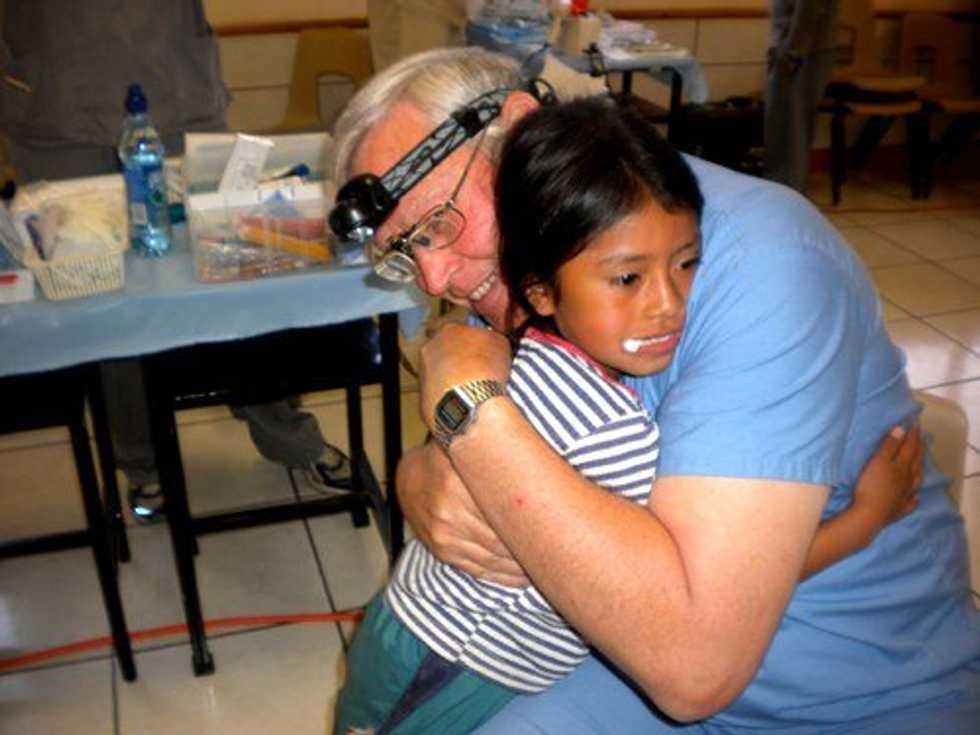
Humanitarian work is a necessary and valuable tool that could change the world in a multitude of ways. It helps nations, especially its inhabitants, become more cohesive and compassionate towards one another. All parties involved in this work get a chance to interact and operate in new, unfamiliar ways, which allows them to perceive circumstances through a new perspective. It is true that no one can truly understand what another is experiencing. But, through hands-on, humanitarian work, many are able to get a better grasp of the struggles and triumphs a community endures. Over American Thanksgiving break, I had the opportunity to listen in on a conversation of one professional medical couple’s experience in their recent humanitarian mission to Guatemala. (The couple’s names are Levi and Carolyn Wadsworth, and the following pictures and quotes are anecdotes given by Levi Wadsworth.)
The program they traveled with “was an educational facility for local groups to learn better practice standards that can help them in their everyday healthcare situations.” The field in which they targeted was maternal and child health. During their mission, the couple encountered many challenging yet rewarding and eye-opening experiences that made Levi want to go back in a “heartbeat.” As he recounted his experience in a developing nation, he shared some of his most favorite and eye-opening moments.
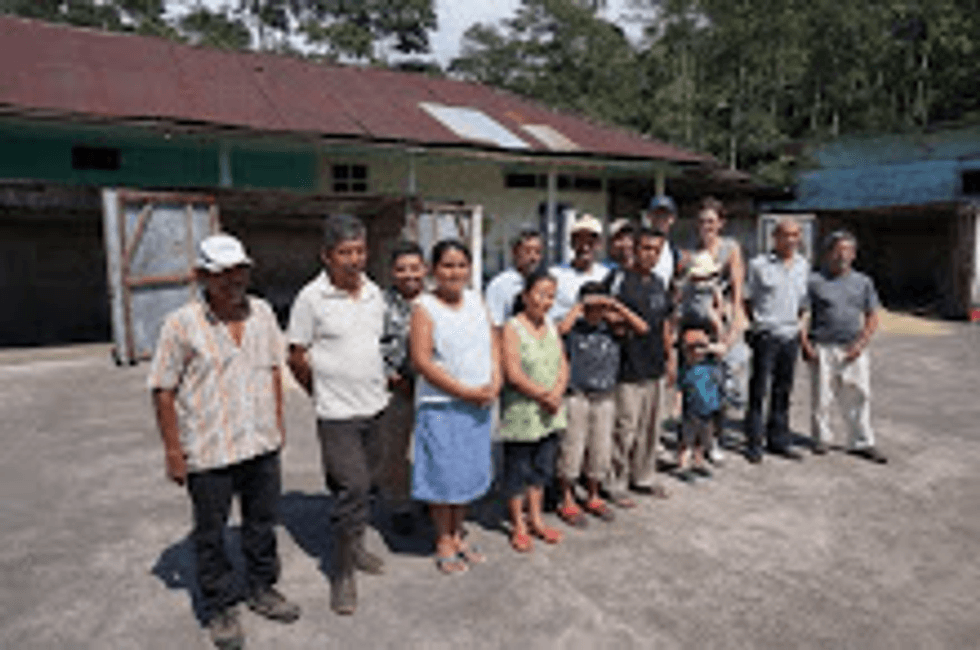
I think one of my favorite moments on the trip was touring the coffee facility. We took a drive out to a remote location of a community that had purchased a coffee plantation as a Co-op. The group had been learning a lot of different techniques for fertilization, and their crops were going really well. More importantly, they were seeing the benefit of owning their own facility and growing for themselves, not just being farm labor.
They all went in together to buy this facility and in a year barring any expensive mechanical repairs to their equipment the whole community will have a little bit more money to purchase medications or send their kids to school longer than the 4th grade. They are seeing their communities' needs met through good business decisions and hard work. Most importantly THEY are the ones doing it. It isn't an NGO that is supplying them with money (Haiti is a horribly accurate picture of what happens when people start relying on NGO or government help entirely). It's their own work with education from World Renew (a humanitarian program) that is helping them to have better food security and health practices. It was so awesome to hear them talk about their triumphs and their struggles and yet know that they are the ones who are at the helm not the fate of some handout program that they are waiting for.
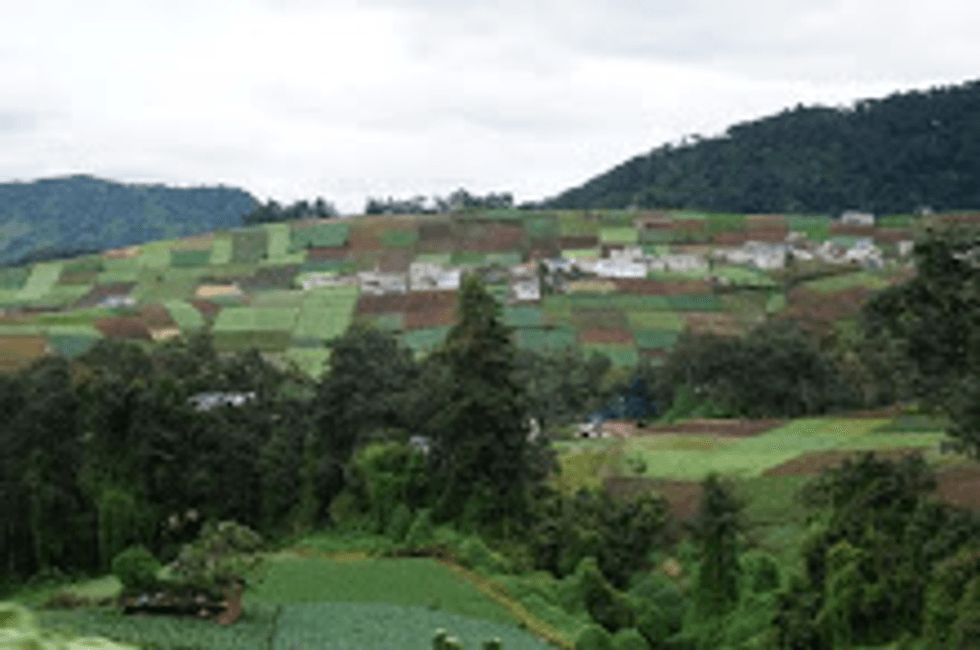
The second favorite part was at a school we visited in the tourist town of Panajachel. A Guatemalan couple founded this school that gives kids who come from rough situations an opportunity to thrive and learn. They look for kids who have a “spark,” because it's a school that’s dedicated to build the leaders of tomorrow.
The school teaches them in Spanish through high school and have partnered up with people from the US and Canada to fund their education as most of them can't afford it. The Canadian Partners have not only given their money, but one couple has been given the opportunity to go down to Panajachel for 4 months a year (http://www.guatemalaconexions.org/home.html) and help run the school. Dave and Danaya Macdonald are both mentors to these kids and have been able to acquire the necessary skills (English) and funds (Walton Scholarships) to allow these kids to attend universities in the states.
This opens the opportunity to once illiterate children to have an education waiting for them to grab a hold of in the future. When I was visiting the school, Dave's nephew (ten years old) was also there. He had asked for money for his birthday and Christmas for the last year or two and instead of getting a gift for himself he bought books for all of the students (14 total). There were tears of joy and shouting as the first book was opened, Narnia. Those were their first personal books. The students couldn't contain their excitement. He couldn't wipe the smile off his face.
Eye opening experience was the position of the women in the culture. We asked midwifes of 30 years how many maternal deaths they had a year. Without fail all of them said none. This stat doesn't make any sense as even in developed countries like ours we have deaths and we have way more intervention than Guatemala. This all came to light when we spoke to a male health advocate. We asked him the same question and he responded that they “had one last month.” He explained that the women were scared of people getting mad at them. He wasn't scared because he said he was just “doing his best,” which is an acceptable statement made by a man in their culture but not of the women. This is probably because the female children are typically the first to be removed from the school system due to the lack of funds. They are married young (14-16 being the average age). Birth control and contraceptives are not typically used so families of 8-10 kids are common. This means that if a woman decided to leave her husband because he was abusive, she would have to feed 8-10 kids with no education and no way to make money to feed her family. It just doesn't happen. Women need support and generational change has to happen in order for them to gain cultural value.
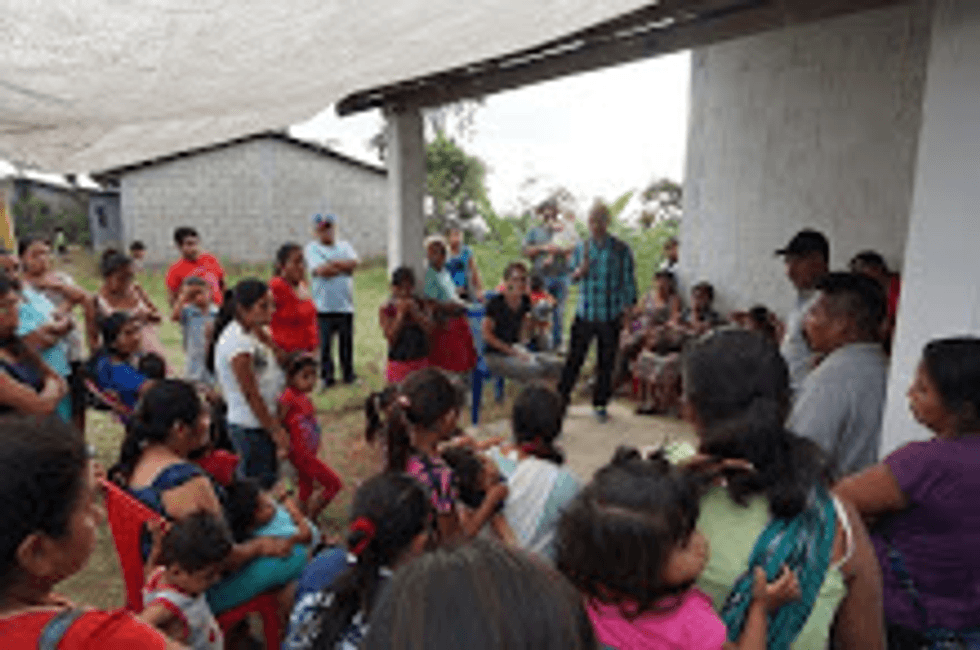
As our dialogue came to a close I asked Levi what their goals would be in continuing in Humanitarian missions, he responded with, “Our goal would be to help speed up the growth of communities to allow them the chance to provide a better life for themselves and their families so that they could live free full lives.”
Levi and Carolyn’s experience are only one of many that display the astounding ways in which people can contribute to communities. Allowing yourself to think of others in place of yourself liberates you to grow and learn about other cultures and ways of life.
The story of Dave’s nephew shows that people of any age can start humanitarian work and make a positive contribution to our world. If you are interested or are passionate about giving back to the community in which we all live in “there are three different ways to be a humanitarian. Support professionals from your home, bridge between the 99% and the 1% by spreading this passion, or put your feet on the ground and be a part in their homeland.” Let’s start the movement. Let’s lead our world to a more cohesive and compassionate community.
I leave you with another one of Levi’s anecdotes that embody the message of this article:
“Realize that all good things come with work and help to guide that work so that it isn't wasted. Humanitarian efforts by each individual would result in a complete world change.”