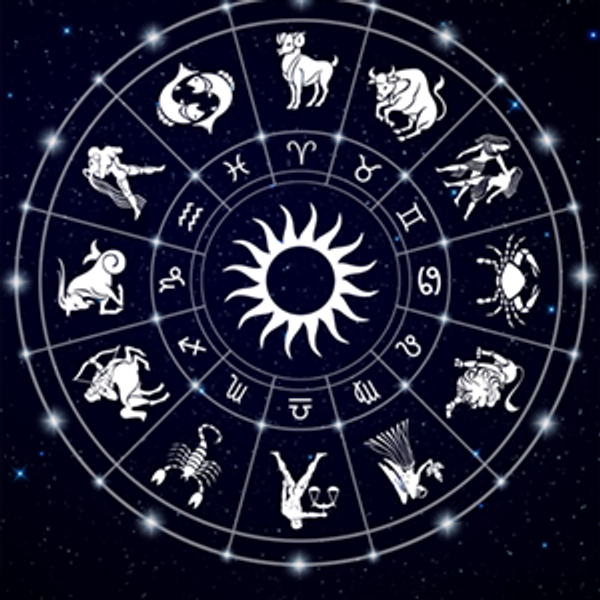

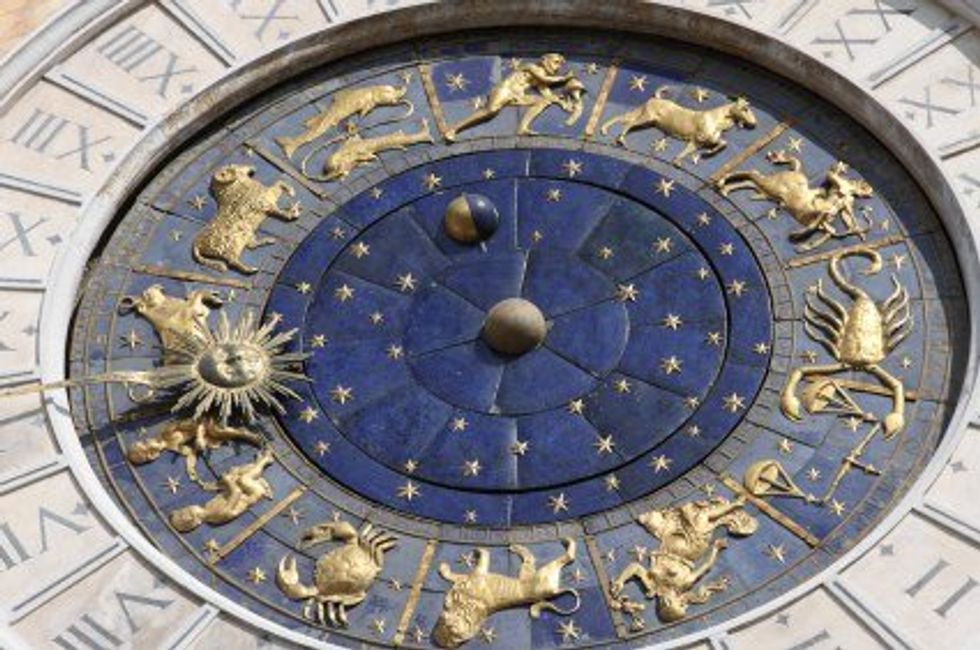
Are you a Pisces? A Scorpio? An Aquarius? A Sagittarius?
The 21st century has become the trending era for astrology. Although not a real science, I must admit that even I am obsessed with horoscopes and their predictions. Curiously, the original purpose of the zodiac was not for our entertainment; it was developed in ancient Egypt in order to help predict weather patterns and celestial events, not to advise us to “take the risk” or “go with the flow.”
*Just to clarify, the Egyptian zodiac adopted by the Babylonians is in no way linked to the Chinese zodiac. Various studies and investigations have been done to compare their ancient celestial divination texts and the final conclusion states that Babylonians and Chinese civilizations had no influence upon each other and never came in contact.
Although the Egyptians divided Earth’s orbit into twelve 30° sections to classify different seasons, the Babylonians developed the astrological signs that fit into each of these 12 houses. Each zodiac sign is linked to the constellation that it is named after and is positioned directly on it in the sky.
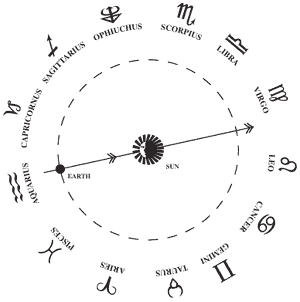
The constellation the Sun was situated in during the rainy season, for example, was named Aquarius (water bearer), therefore the sign that part of the sky belonged to was also named Aquarius. All the signs were then classified into four groups (the classic Avatar divisions): fire, water, air, earth. When the Greeks took over Mesopotamia, they also took their zodiac and continued their astrology traditions, incorporating divinations and oracles into their mythology. Soon enough in history, Roman emperors were demanding astrologers for their “predictions”; astrology continued as a medium to deliver advice and predictions of success based on the positioning of the stars in relation to the Sun.
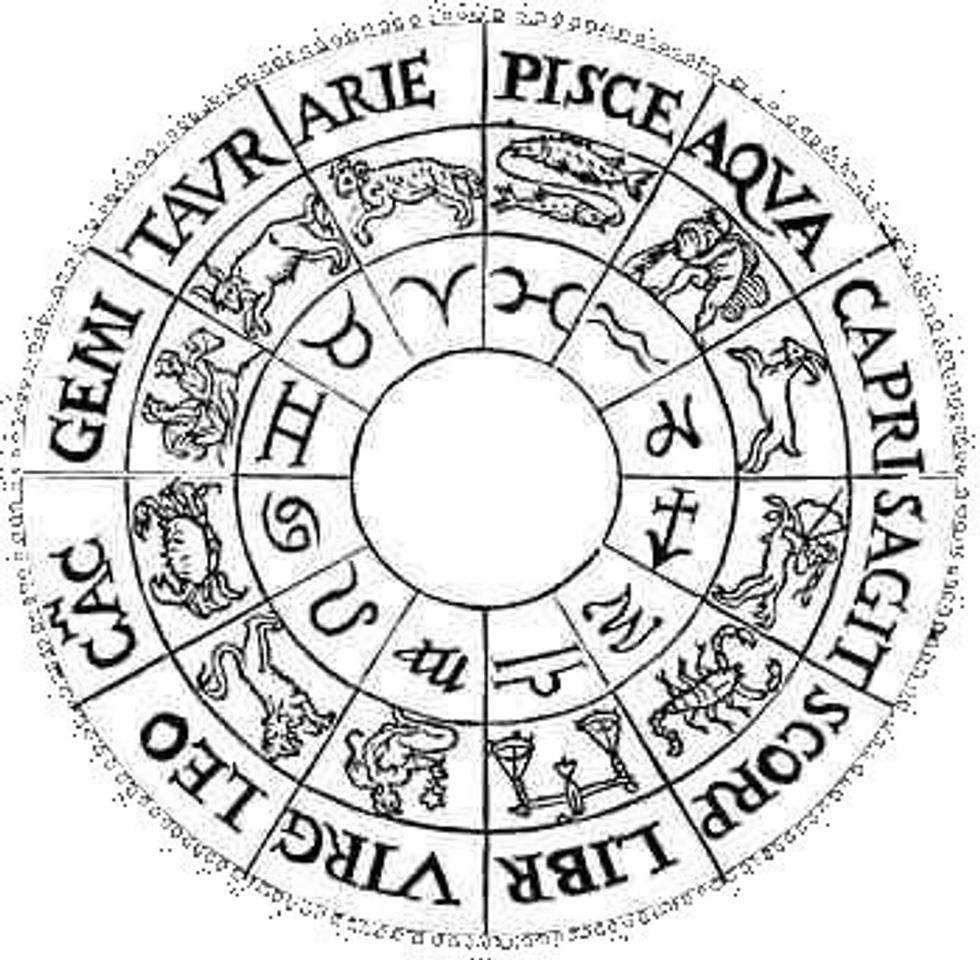
What we know today as astrology is far from what it was originally meant for, but with all our technological advances we don’t need it to foresee the weather anymore. Astrology has just become a non-respected practice, a belief system for the superstitious. Astrology is easily questioned, so why shouldn’t its history be widely questioned as well? I questioned it and here’s what I found: in Armenia there is an ancient city site on top of a volcanic hill called Metsamor.

Metsamor’s observatory predates the Babylonian kingdom by 2,000 years. Through geometry, the inhabitants also divided the sky into twelve sections, based on stars and the Earth’s positioning. They had early carvings of zodiac symbols and even envisioned the curve of the Earth. However, this discovery is not widespread and Metsamor still remains an unknown historical citadel which contradicts the credit given to Egyptians and Babylonians as creators of the zodiac.


The question is: did the people of Metsamor immigrate to Egypt and Mesopotamia, settling in surrounding areas? There is a generation of Armenians in Egypt, so perhaps that’s how the star signs reached them. The civilization from Metsamor operated under a trade system, so through exchanges and travel to surrounding areas the Armenian’s ideas sparked the Egyptian star chart. If none of these are proven to be true, it is possible that the brilliant society of Metsamor simply vanished and their potential for greatness wiped away with them.









 man running in forestPhoto by