I was first assigned to read "To Kill A Mockingbird" in the eighth grade, and I had fallen in love. "To Kill A Mockingbird" drew you in with the childish naïveté of a young Scout Finch from the tired, old town of Maycomb, teasing the reader on with the intrigue of a reclusive "Boo" Radley and a promised tale about how Jem, Scout’s brother, had broken his arm. I was hooked. But what began as a coming-of-age novel introduced me to serious, weighty issues—racism, classism, mental illness, and justice (or its lack thereof).
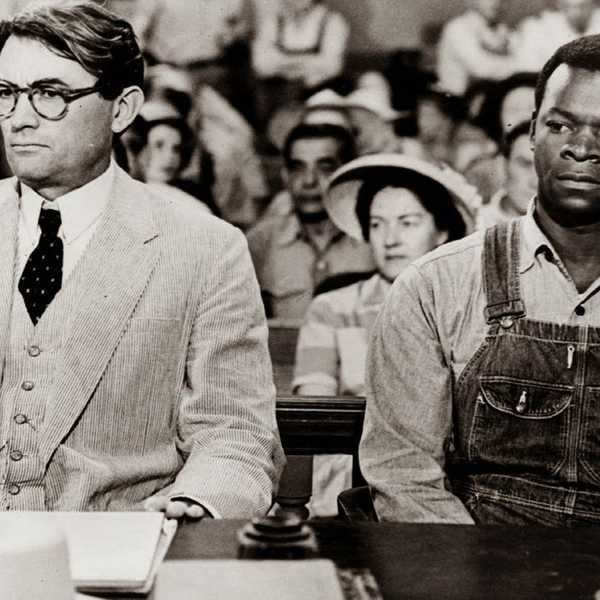
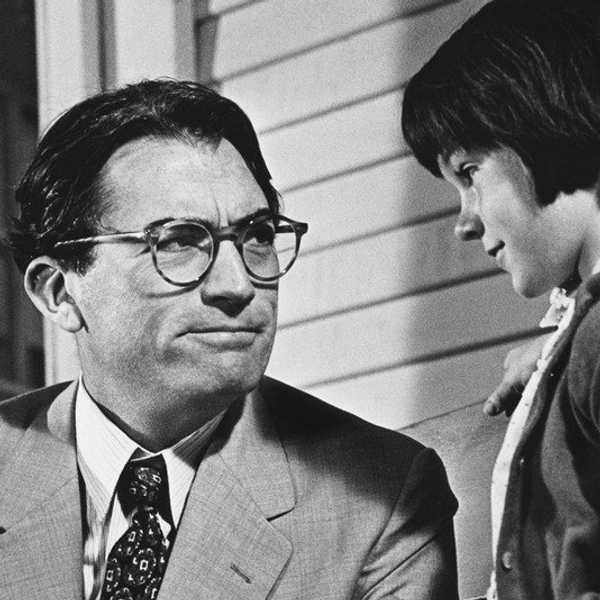
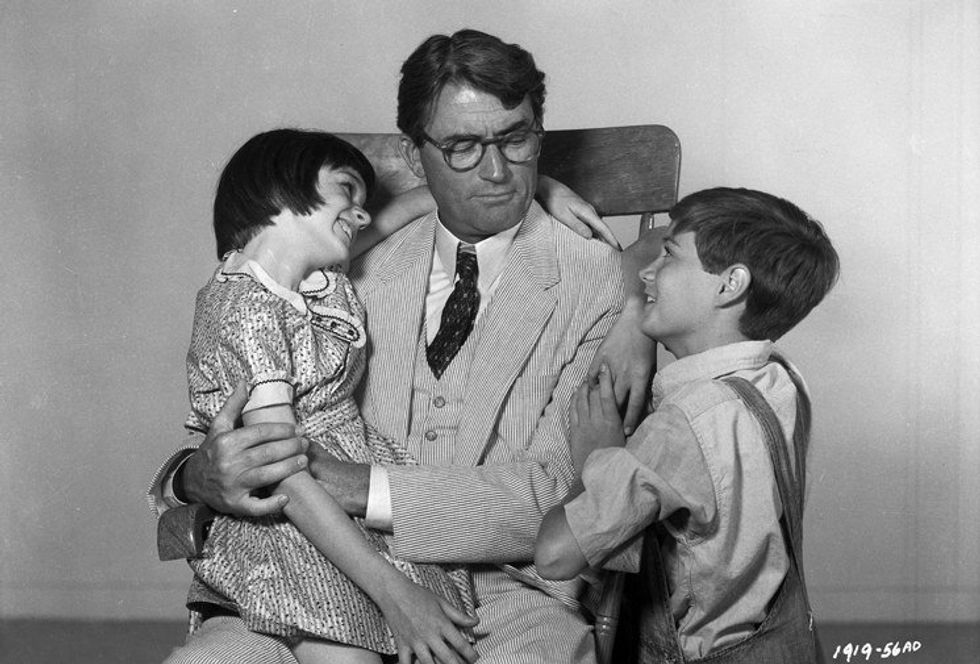
Subsequently, through "To Kill A Mockingbird," I was introduced to Atticus Finch. Atticus, for me, embodied hope in a backwards world. He was the pillar of justice even when the odds were against him (admittedly, I’d even considered a career in law inspired by Atticus). He taught Lee’s readers that it is more important to uphold integrity and have the fortitude to fight the good fight, even when this leads to subsequent defeat. Atticus taught me the importance of moral courage and empathy, of resilience and patience. He was my literary father figure and my hero.
So when HarperCollins let The Guardian publish the first chapter of "Go Set A Watchman," I joined Scout on her journey by train to Maycomb with the anticipation of reuniting with a close friend and hero after many years. While I didn’t get to meet Atticus in the first chapter, I waited with baited breath till the book was finally released; that is, till I began to hear about Atticus’s drastic change of character—he shows views in favor of segregation, believes that African-Americans are intellectually inferior, and even admits to attending a Ku Klux Klan meeting once. Some critics described this as a “bombshell,” and I could not agree more.
Many would tell you to simply “get over it”. Some would tell you that this adds a new layer to the character we knew as Atticus Finch and that he was no longer just a plaster saint devoid of flaws—he was brought down to earth and humanized. They are absolutely right, but it doesn’t help us.
We live in the age of the Charleston shooting and the Ferguson incident. We live in the age of the Sandra Bland and Confederate flag controversies. What we need, more than ever right now, is the old Atticus—to teach us tolerance because “you never really understand a person… until you climb into his skin and walk around in it”—to remind us that violence is never the answer because real “courage is not a man with a gun in his hand.” Most importantly, we need hope in an age where every viewing of the news diminishes it even more. We need Atticus to remind us that “there’s a lot of ugly things in this world” and we “rarely win, but sometimes we do”.