Chances are, if you ever played make-believe with your friends during recess at least once, running around on the playground for your half hour of freedom, you all played as characters from a favorite book, movie or cartoon. You all wanted to be your favorite character (and maybe an argument or two was had when someone’s favorite character was also someone else’s, and of course you couldn’t have two people playing the same person).
There was always that one among you who would step up and delegate roles when the occasion called for it. Their reasoning, if questioned, was usually defended by the insistence that you were supposed to play a character because you were most like that character. You were “the smart one,” “the big one,” “the pretty one,” and so on.
Which is, of course, all well and good—or it would be, if so often media producers didn’t hold similar views of their characters. Children aren’t expected to analyze the social implications of fictional characters. Creators of those characters, though?
One would hope that someone responsible for creating a character would put more thought into it beyond “this is the smart one.” One would hope.
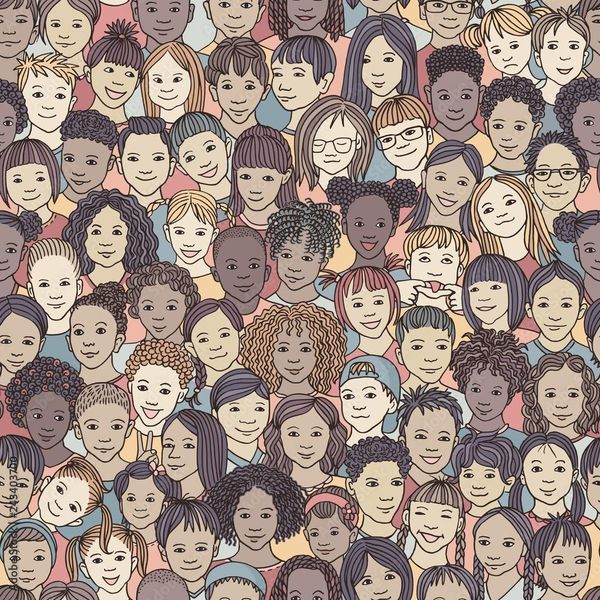
The growing cry for more representation of diversity in media has had a positive effect and begun to give us more characters beyond “relatively attractive straight white man in his late twenties to mid-thirties.” Unfortunately, while there are some brilliant exceptions, many of these characters are present only to satisfy the necessary “diversity present” qualification to allow someone to check off a box and, when audiences complain that there isn’t enough representation, to allow that same someone to point to the character and say, “No, look, that’s X! You know, the minority one!”
What these creators don’t seem to realize is that having representation isn’t about checking a box. It’s not about just having a character present who is a minority; if the character is only presented according to stereotypes associated with that minority, the representation doesn’t mean anything. You likely know exactly what I’m talking about—even just the words “the gay one” bring to mind a specific stereotype, likely a very effeminate, fashion-savvy man with a higher-pitched voice than his peers.
The problem with stereotypes is that they don’t stay restricted to media. Enough movies and television shows represent gay men as effeminate, black men as thugs and women as overemotional – it becomes ingrained in our minds so that we see an effeminate man and think he “looks gay,” a black man and start acting more alert or a woman expressing any negative emotion and brush it off as a side effect of womanhood. These stereotypes become a part of one’s daily reasoning, creeping in, insidious and uninvited.
Representation is not just about the presence of a minority. It’s about showing that people belonging to that minority are people, not stereotypes. The solution to the problem many creators seem to have, then?
Create complex characters. Have a character who is already a realistic person, then say, “Oh, by the way, her love interest is a girl.” Have your dorky, sweet character with the 4.0 GPA who gets flustered when the head cheerleader asks him out, but add that he’s Latino.
Normalize diversity. Playing with stereotypes was a good place to start, but they should never be the stopping point.