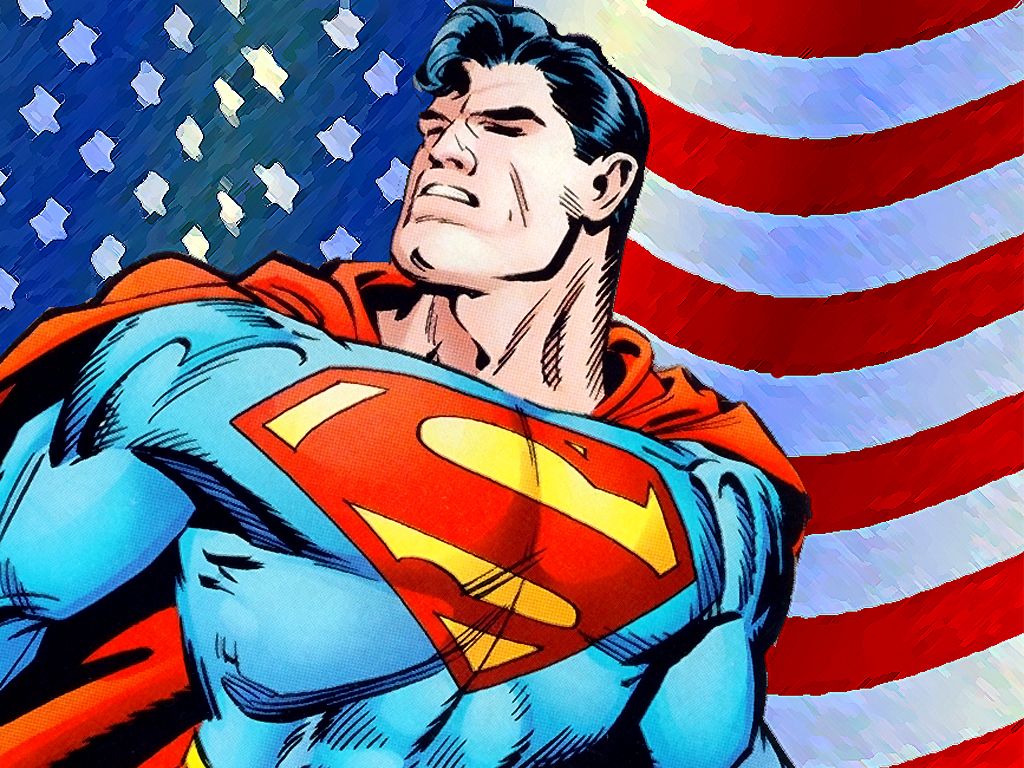
The hero of a story is the one who gets the reward, or that is at least what we’ve been lead to believe. In many stories, the hero is the one who ends up with the love interest, some amount of fame or the reward at the end, and everything works out for this person in exchange for some amount of self-sacrifice and courage. I used to believe this concept that being the hero would help me to get everything that I wanted. Maybe hero is an exaggerated term to use, but in some sense I modeled myself after the stereotypical hero in order to receive this reward. It was common for me to go above and beyond to help those around me, even if made life more difficult for me or came at the cost of my own interests. And often this would frustrate me because I never received the grand rewards from my good deeds that all the movies, television and video games promised me.
But then I picked up Lev Grossman's series, and in the second book, "The Magician King," I learned an important lesson that changed how I viewed being a hero. In the novel, the main character does all the right things and sacrifices himself, but at the end of his journey, he doesn’t get a reward. He claims that because he is the hero of the story that he is entitled to the reward at the end of the heroic journey. But he is told, “no, the hero pays the price” (Grossman, 365). In that moment, I was faced with a truth and a reality that isn’t presented in many forms of media. All my efforts had gone into being someone who sacrificed myself for others and good deeds but because I wasn’t prepared for this truth, I always ended up frustrated, unhappy and unsatisfied with my life.

I think that this is a common misconception that many others follow and try to be someone’s hero in hopes to receive something in return. I’ve seen the guy who bends over backwards for his crush by doing her homework, or by doing everything for her in life in hopes of having his feelings reciprocated. Or the person that goes out of his way and tries to make everyone happy to improve his popularity. And I’ve seen the good guy who does the right thing but then everyone hates him for being the hero. All these people sacrifice their own interests and identity, figuratively killing themselves for others in hopes for a certain outcome. But in most cases this doesn’t happen, and I’ve seen those people devastated by having to pay the hero’s price. This takes a toll on those people and leaves them tired, bitter and frustrated with the fact that they do so much for others sometimes and get nothing in return.

I’m not advocating for people to stop being heroes for those they care about, but I believe that heroes have to realize that self-sacrifice comes with a price and not often a reward. Being prepared to not receive something in return for my help has changed the way I interact with the world. I no longer do things with the expectation that I’ll be rewarded for my hard work; I just do the right thing because it’s the right thing to do. I still try to be a hero for those around me and sacrifice myself to some extent for their benefit, but now I’m smarter about it. I realize I have to stop when someone is just taking advantage of me so I’m not left bitter and frustrated at the end. Sometimes I’ll get caught up with doing too much for another in exchange for my happiness but then I remind myself that I have to be my own hero first in life.