

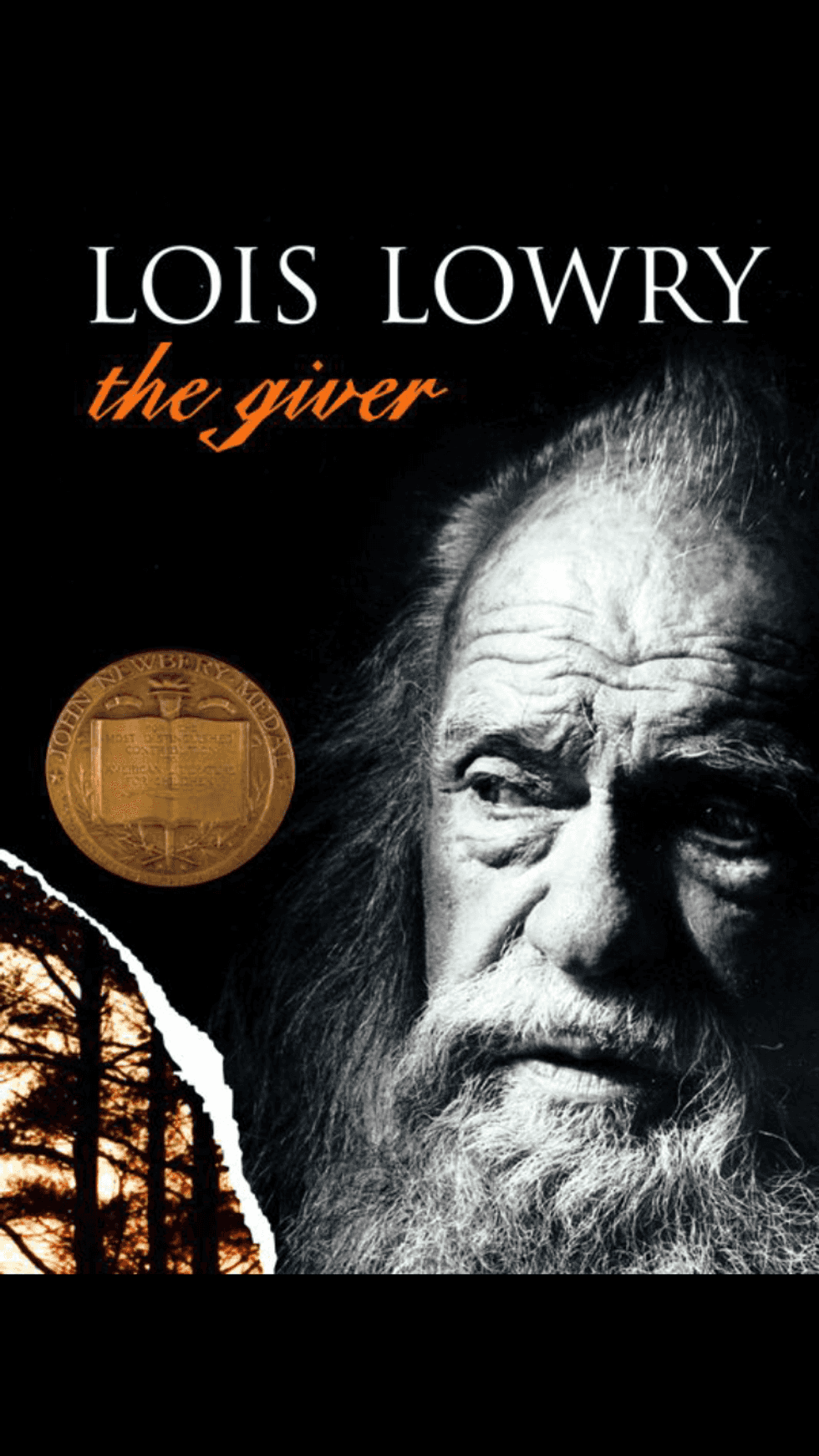
I’m a little late to the game. "The Giver" was published in 1993 and I read it the first time about seven years ago. Now, as a general rule, I don’t usually reread books. This is because there are so many other books with pages unread that to me it seems unfair to reread a book, but this is an exception.
The first time I read "The Giver" it was transformative. There was a newness to this book, read without the tropes when every story feels like the first time. This was my first dystopian-utopia novel; there was no comparison to "Brave New World" by Aldous Huxley, "The Adventures Of Tom Sawyer" by Mark Twain, or even the litany of teen novels with the same premise.
It was a ‘novel’ novel. I remember demolishing this story, crashing through the pages and coming out a completely new 11-year-old. This novel forces the reader to reevaluate the norm, beauty, and the society one lives in. I gave this book as a gift at least twice because it can spark an interest in reading in a way few other books can.
Upon rereading "The Giver" I realized there were some familiar patterns of a futuristic novel and that at times more background would have been appreciated. However, simultaneously, I recalled the way that it felt to read the first time, with new eyes. How it felt to be thrown off guard by an ending, enthralled by a new perspective of the world, and appreciative of description as I hadn’t been aware of appreciating it before. This is a book that every young adult should read, and that every adult should make a point of reading also.
On an exponential scale from 1 to 10, where one is a piece of writing so horrid that it makes you sick to your stomach and your brain ache with dissatisfaction, a five is satisfying average and acceptable reading material, an eight is a work of literature that can be recommended with fervor to everyone, and a ten being the best book in the history of all books barring none and exceeding all, "The Giver" by Lois Lowry is likely a 6.7. That is a pretty glowing review, in my opinion.
The plot for "The Giver" is based around the life of a young boy named Jonas who is living in a seemingly perfect community somewhere in the future. There is no pain, but also no passion. This illusion of perfection is proven to be askew as the story progresses. With wisdom comes maturity and with maturity comes responsibility. The major themes in "The Giver" are universal and include family, love, emotion, the battle of the individual versus society, and diversity. This is a bildungsroman in its most basic capacity. A bildungsroman is a coming-of-age novel and the German-ness of the word can make any book sound fancy. It gives the growth and shift of a character the pizazz the type of story deserves. It is a novel that inspires questioning. It’s a novel that results in the contemplation of the world around.
Some of my favorite quotes from this book are as follows, in no particular order:
“The worst part of holding the memories is not the pain. It's the loneliness of it. Memories need to be shared.”
“The life where nothing was ever expected, or inconvenient, or unusual. The life without color, pain, or past.”
“If everything’s the same, then there aren't any choices! I want to wake up in the morning and decide things!”
(This one is a privilege that is easy to forget exists.)
“What words could you use which would give another the experience of sunshine?”
TL;DR: read this book. It'll make you life a little more rich and a little more yours. It transposes child-like joy in experiencing life and illuminates the idea that pain and joy both have value.
















