The American Gilded Age was an era of industrialization and further Western development. The economic and social developments of the West, North and South were somewhat positive as the economy grew industrially, but mostly negative because monopolies abused their power, American Indians and African Americans faced discrimination, and there were low wages for immigrant workers.
In the West, Native Americans faced many social challenges. Societal actions such as the implementation of the Dawes Severalty Act divided tribes and forced them to live on designated areas of land. From the perspective of white Americans looking to settle Western lands, the natives were a waste of space and took up arable land that could be used for something better. It makes sense that the Oklahoma magazine would think this way because they were situated in the west. This is significant because it is an example of Manifest Destiny ideology that Americans had the right to take the territory. Native Americans were forced off their lands in order to make room for white settlers. From an Indian point of view, they were treated unfairly. It is reasonable that they would hold this perspective since they were the original owners of the land. This is notable because Native Americans like Chief Joseph who experienced social injustice as Congress did nothing to help them.
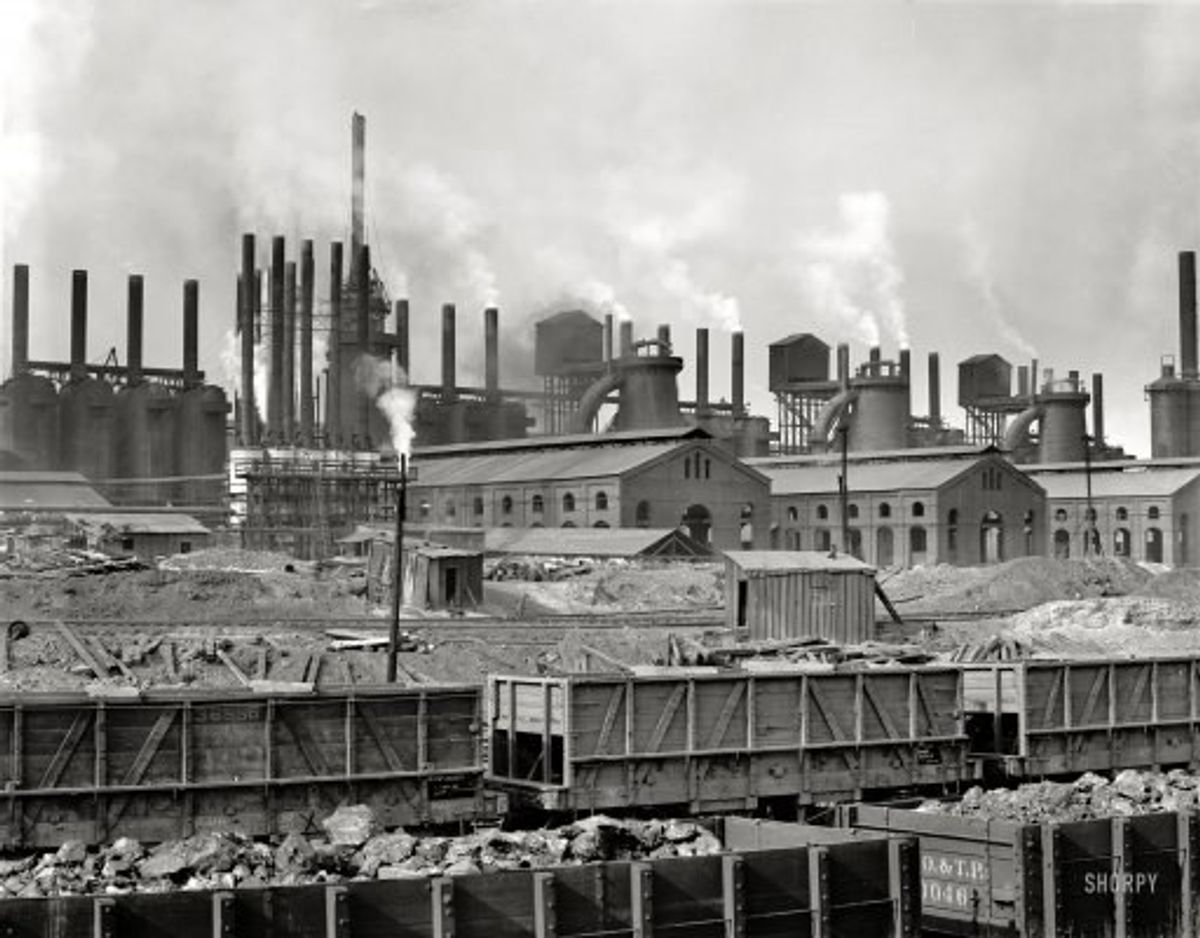
Northern industries experienced many positives as the furthered development of railroads and inventors such as Thomas Edison improved the North industrially. Vanderbilt, Rockefeller and Carnegie were some of the wealthiest and powerful company owners of America’s Gilded Age; their success also granted them power in the country’s economic affairs. The owner of a vast steel monopoly, Andrew Carnegie’s “Wealth” article was targeted towards an upper-class audience with the purpose of explaining the philanthropic obligations of the wealthy as the wiser of the economic classes and that they had a duty to help the poor in a way they saw fit. Not everyone shared this view as small business owners faced the negative impacts of wealthy monopoly owners such as Rockefeller who had power over America’s oil industry and used unethical business practices. It is understandable they would say this because they are a smaller business owner. This is noteworthy because many companies were unable to compete with the greater ones because businessmen like Rockefeller formed monopolies and worked together with the railroads in order to yield better privileges and force competitors out of business, giving others an unfair chance and allowing them to maintain full control over the industry.
Immigrants faced both social and economic negatives in the West, North and South. From an American labor's perspective immigration was bad as they were a source of cheap labor that caused their wages to decrease and that they were an undeserving class that should be restricted from the country. This is significant because this served a purpose in the creation of laws such as the Chinese Exclusion Act. European immigrants also faced problems as they received low wages and lacked the skills needed to change their situation such as the ability to speak and write in English. Many lived in crowded tenements and were too poor to do anything about the language barrier they faced in American society. Societal issues such as racial discrimination were another negative as blacks were treated unfairly. From the black perspective, they deserved equal rights, which is reasonable because they faced oppression through Jim Crow laws and such. This held importance because it highlighted the social inequalities of society.
The Northern, Western and Southern economic and social progress of the Gilded Age were mostly negative because of unfair business practices, discrimination of minorities such as African and Native Americans, and the inadequate wages of immigrants from foreign countries. Although the economy did grow industrially. The first transcontinental railroad was built courtesy of the Pacific Railroad Act, connecting the Western states with the Eastern and served as a major cause of industrial development. The economic and social developments faced are similar to that of the reconstruction era because of the social discrimination also evident in the south and the industrial growth due to inventions such as Eli Whitney’s interchangeable parts can be paralleled to that of Thomas Edison’s inventions and their impact on its era.