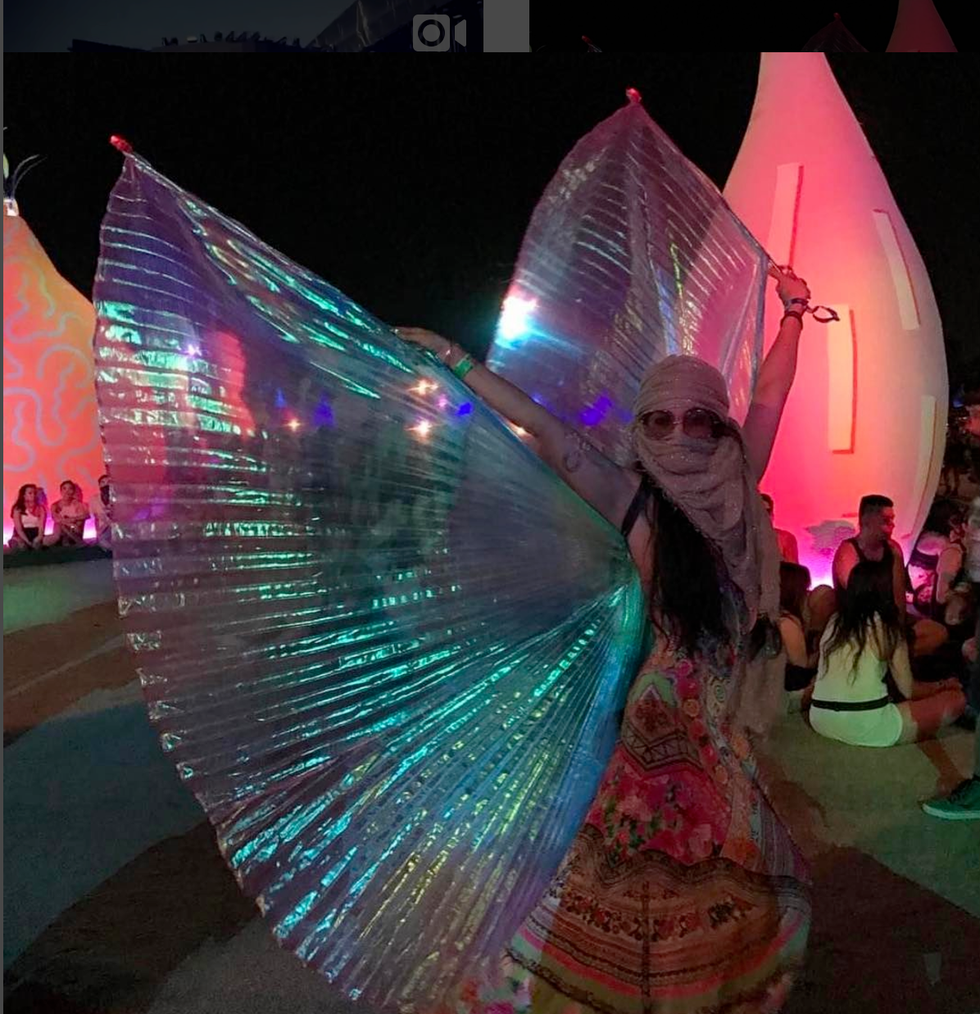
It’s here.
Festival season: one of the most opportunistic times for discourse on cultural appropriation. But, if we have learned one thing from these repeated debates, it is that we have learned nothing.
“It’s not appropriation, it’s appreciation!”
“It’s just the sharing of cultures.”
In a globalized society, especially in the U.S., we see the exchange of values, customs, art, food, and religions of different countries more often than not, so it is hard to decipher what is being appropriated and what is mutually being shared and enjoyed.
More recently, I have begun to hear the argument that cultures cannot be “stolen,” and that the world has become one giant melting pot of ideas and realities, due to cross cultural development throughout history. While this may be true, there are still many facets of cultural appropriation that need to be properly addressed.
Cultural appropriation is the borrowing of elements of a culture, by individuals belonging to another, in a way that is colonial or exploitive. Often carried out by members of a dominant group, the adoption of religious symbols, special garments of clothing, hairstyles, and décor can be degrading. The exotification of other cultures, even when intended to be complimentary, usually ends up being belittling.
How so?
When the dominant culture, usually Eurocentric, gets praise and attention for the donning of ethnic hairstyles, such as dreadlocks or braids, religious or spiritual symbols, such as Native American headdresses or bindis, tribal patterns, and clothing such as dashikis, hijabs, or saris.
While you may think that you are showing respect for another culture by wearing these things, you are not. It is imperialist, and it is a way to dominate marginalized groups by carrying out their customs, while they are often harassed, persecuted, and disadvantaged for wearing these things themselves.
For example, you may think that dreadlocks are a convenient way to wear your hair, or you might get cornrows or braids to look “exotic” or “ghetto,” but these hairstyles have historical value for African Americans. They are often denied jobs or told to wear their hair a different way, when these hairstyles are some of the only ways that they can wear their hair. But when non-African Americans wear them, they are seen as cool and trendy.
Men and women who wear hijabs, bindis, and other spiritual symbols or garments are often victims of violence and harassment, but many people who do not belong to these cultures wear these things to look cultured and spiritual.
The Western world tends to almost demand assimilation, to become successful, and this is the very reason why the use of these historically, culturally, and spiritually significant aspects of other cultures by Westerners is offensive.
Appreciation is a mutual sharing of cultures. It is respect and admiration, which can be done by learning about the meaning and significance by a member of another culture.
So, next time you want to partake in particular aspect of a foreign culture, please take the time to get to know how you can show reverence and sincere consideration for these practices, without stealing and misappropriating it.