Almost three decades ago in 1987, a little game called Street Fighter hit the arcade scene. The game allowed you to control a character named Ryu, on a 2D plane, forcing you to challenge the strongest street fighters in the Street Fighter universe. The game gave you limited space, forcing you to position yourself well when you fought, and let you pilot Ryu using a single joystick and six buttons. With various joystick movements and button combinations, you were capable of knocking out an opponent with hurricane kicks (Tatsumaki Senpukyaku), a dragon punch (Shoryuken) and even unleash his signature move, the Hadoken. When a second human player entered the game, they were capable of challenging Player 1 with Ryu’s training partner and best friend, Ken. The game in itself was nothing close to spectacle looking at it today, but it set the seeds for a group of people unlike any other to grow, the fighting game community (FGC).
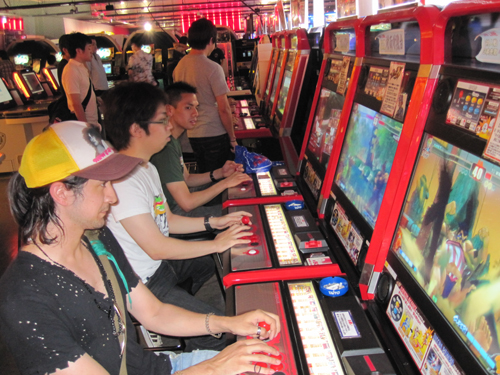
In 1991, Capcom, the company that created Street Fighter, released a sequel- Street Fighter II: The World Warrior. Staying to the roots of its predecessor, the game had the same mechanics but more refined with a few new additions. The biggest of those additions was easily the character select screen. Street Fighter II marked the first time a fighting game gave players the ability to choose from 8 incredibly unique characters from different countries across the globe. What players quickly came to understand, was the competitive nature of the game. It was remarkably well balanced and took arcades across the globe by storm. Every arcade that held a Street Fighter II machine would be swarmed with players putting down quarters on the cabinet to play next and challenge the best players in town. It was the birth of a community that was passionate about a game with a desire to be the best, but treated one another like siblings, no matter your nationality, race, skin color, accent, or self-identity. All it came down to was learning from each other, recruiting new players, expanding the scene, and becoming the best.

Understanding the success of their newest title, Capcom began releasing new editions of Street Fighter II with new characters, stages and more. However, Street Fighter wasn’t the only game on the market at that point. Marvel vs Capcom. Mortal Kombat, King of Fighters, Guilty Gear are the names of just a few ultra-popular franchises still alive today that were born from the golden age of gaming. Countless others that were abandoned in due time appeared as well, including many Street Fighter knock-offs. This was the testing grounds of fighting games, and paved the way forward for the years to come.
As the games aged, so did the community. Players leveled up, big scale official tournaments with prize money were taking place, rivalries between the west and east coast grew as well as those between countries. With time, the world championship tournament titled, Evolution, came to fruition, bringing the greatest competition the planet had to offer to one location. It held several tournaments, generally the most popular and competitive fighting games at the time, crowning the best in each annually. Some games would hold its place in the tournament for many years such as the Street Fighter titles, while others were quickly replaced by the newest iteration or another title entirely.
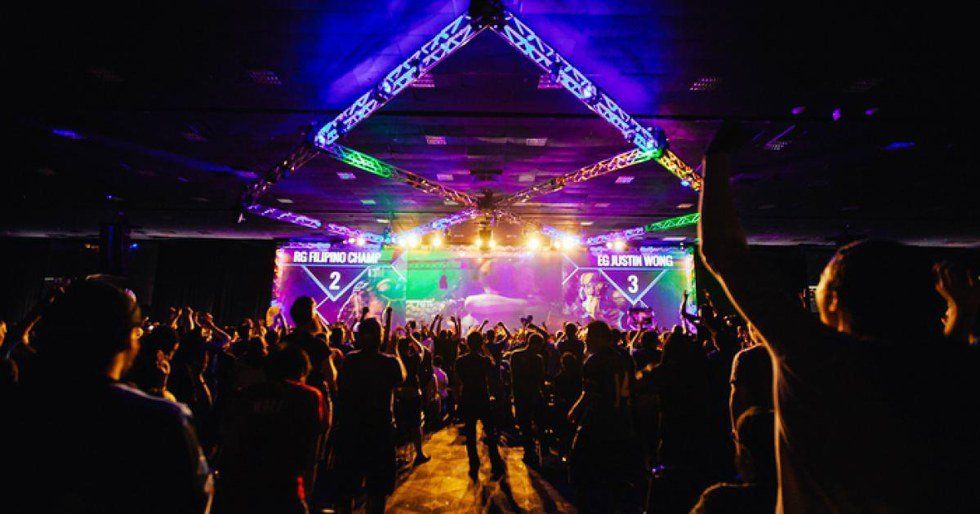
Fast forward to today. The Top 8 of the Street Fighter V tournament that took place in Evolution 2016, in July, was streamed on ESPN2 live. In many Asian countries including Japan and Singapore, the same has been done for other tournaments. Commentating for these tournaments suddenly became serious business, where only the most respected and well known commentators take the mics on premier tournaments. Many games outside of fighting games have had this pleasure, including real-time strategy games like League of Legends and the first-person shooter behemoth, Call of Duty. While those games were actually released long after Street Fighter and many others, fighting games remained an underground scene for a very long time, even long after 99.9% of American arcades died out and the games moved over to mainstream consoles like Playstation and Xbox. At times, this was on purpose.

A beloved aspect of the FGC is that for the longest time, they wanted to remain underground, some still do. Unlike any other game, it was born from the countless corner-of-the-block arcades and in the garages of friends who were lucky enough to own their own machine. It was a community of family, where Japanese players who visited could stay at their American rival’s house to save money on a trip to a tournament. Everyone knew each other, and if they didn’t they were quick to introduce, teach, learn, and grow together. It was a scene filled with so much heart and passion that you had to be a part of it to understand. To understand the depth of the games, the endless hour the players on the stage put into the game to become the best, the rumors, rivalries and friendships that fueled the heat of the matches, and excitement of seeing the impossible on screen. For many, taking that leap to E-sports with commercials and intense professionalism would be the first and last step to relinquishing what they spent decades building.
This year’s Evolution was that first step. Contrary to what many believed though, the elements that made the community strong never left. Countless tournaments still take place with the same emotion that players relished, and with more prize money on the line, the desire to become the best has only risen. I have never had the pleasure of attending a tournament yet. They welcome the best and worst of players, and make sure to help them be the best. If everything goes well I do plan to attend an event in the future, but until then I will stay on Twitch along with the ever-growing number of “stream monsters” that tune in to watch them live. I will continue to relish every moment, cheer for my favorite players, and learn from the best in the world. The FGC, and the games that keep it alive and well have come a long way since I threw my first Hadoken. With the immeasurable energy and love we put into it, and a little bit of good fortune, I’m sure we’ll give that opportunity to many generations to come.