

Imagine you are sending your child to school.
He is eight years old and the spitting image of his father. He doesn't care for math or reading, but he likes his science and art classes. However, his favorite part of school is eating lunch with his friends and going outside for recess. One day, he opens the lunch you packed him: a ham sandwich, potato chips, and a cheese stick. His best friend eyes his bag.
"Wanna trade sandwiches? My mom sends the same thing every day." Your son smiles and switches sandwiches. As the boys talk, your child bites into the food his friend brought.
Suddenly, he feels dizzy. It's hard to breathe and his face blushes scarlet. His lips feel heavy and his hands itch. He stumbles off the bench, dropping the peanut butter sandwich to the ground. His friend begins screaming for their teacher. The teacher and the school nurse kneel beside your wheezing child.
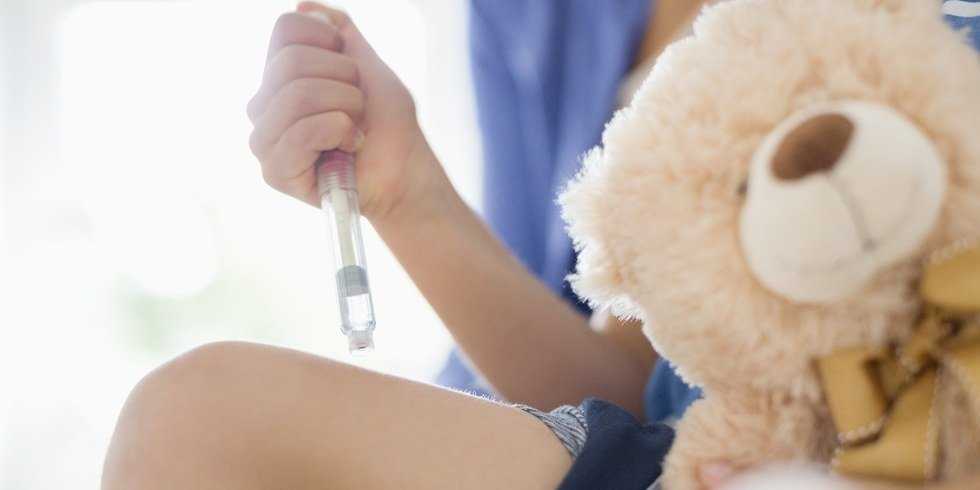
The nurse injects a needle into the thigh of your eight year old son. The life-saving medicine fills his body and fights against your son's peanut allergy.
"Thank goodness he had an EpiPen," the nurse exclaims in relief. "Who knows what would've happened if he didn't?"
For millions of Americans, this scenario hits close to home. According to the Center for Disease Control, over 300,000 children in the United States visit the emergency room every year due to allergies. Last year alone, an approximate 3.6 million Americans were prescribed an EpiPen for severe allergies.
That should be the end of the discussion. Have an allergy to nuts, soy, shellfish, or bee stings? Simply buy your emergency EpiPen and try to stay away from your allergen.
However, it's becoming increasingly difficult for some families to buy their child's emergency medication. The reason it is becoming harder to obtain EpiPens is due to the increase of price for the medicine.
In 2007, the cost of a single EpiPen was $57. Only nine years later, with no innovations or improvements to the design or medication itself, the price has skyrocketed to over $600. The question is, why? The answer? Human greed.
The company that distributes EpiPens is Mylan. In 2007, when EpiPens were $57, the company's CEO Heather Bresch brought in a salary of 2.5 million. However, since the corporation that monopolizes the EpiPen market raised their price to $600, Bresch had brought in a salary of nearly 19 million.
This life-saving medicine has become a money mill for Mylan and it has to stop. What the CEO doesn't seem to understand is this isn't just a paycheck; these are people's lives at stake. As a response to the outrage over this price increase, Mylan has proposed the idea of a generic EpiPen that would cost the recipient only....$300. The exact same medication for half the price as the "brand name" EpiPen.
However, this is still too much to be paying for a needle with around $1 worth of actual medicine inside.
Therefore, I myself have taken a stand and signed the petition to stop the EpiPen price gouging. The entire process took me less than thirty seconds and I became one of the over 147,000 signatures. I am encouraging you to do the same. These aren't just numbers - these are people's sons and daughters, brothers and sisters, friends and neighbors.
Take a stand.
http://www.petition2congress.com/20720/stop-epipen...