
With the premiere of ABC family’s hit show "Pretty Little Liars" came an interesting spin on high school relationships. Aria Montgomery, one of the show’s four protagonists and a high school student, becomes romantically involved with her fresh out of college, heart throb of an English teacher, Ezra Fitz. Ezra and Aria’s relationship is complicated, but seemingly normal and appropriate. They meet in a coffee shop before school starts, and become physically involved. They attempt to resist the relationship due to their student-teacher roles, but eventually give in. As the show progresses, Ezra’s character becomes more positively developed. He’s attractive, young, unmarried, and seems to truly want a future with Aria. While Aria's young, male classmates are portrayed as, for a lack of a better word, scum--Aria and Ezra’s relationship becomes a desirable norm.
Sexual relationships with a significant age difference. like Ezra and Aria’s, are common in shows with female leads. Serena van der Woodsen and Blair Waldorf, the two lead characters of the renowned drama series "Gossip Girl," consistently engaged in relationships with older men of authority throughout the show's six seasons, including politicians, professors and married men. The glorification of these forbidden relationships greatly impacts the perspectives of young female viewers. They begin to believe a strong and independent character comes with a tendency to date older men. Moreover, there is no depiction of an unequal distribution of power within the falsified relationships. The relationships seem equal, trusting, and the characters virtually appear to be the same age. The two individuals’ maturity levels appear at equilibrium and their prescribed age becomes “just a number."
"Pretty Little Liars" fails to show the graver part of the relationship, in which the two get caught, Ezra is implicated for his actions, and Aria is left alone with the burden of further complication in her future sexual relationships. These idealistic depictions are considered socially acceptable because they skate on the edges of statutory rape laws. The relationships aren’t between a forty year-old man and sixteen year-old girl, because that would be explicitly sick and indicative of rape. Instead, the age gap ranges between 5 and 6 years, between actors and actresses that physically appear the same age.
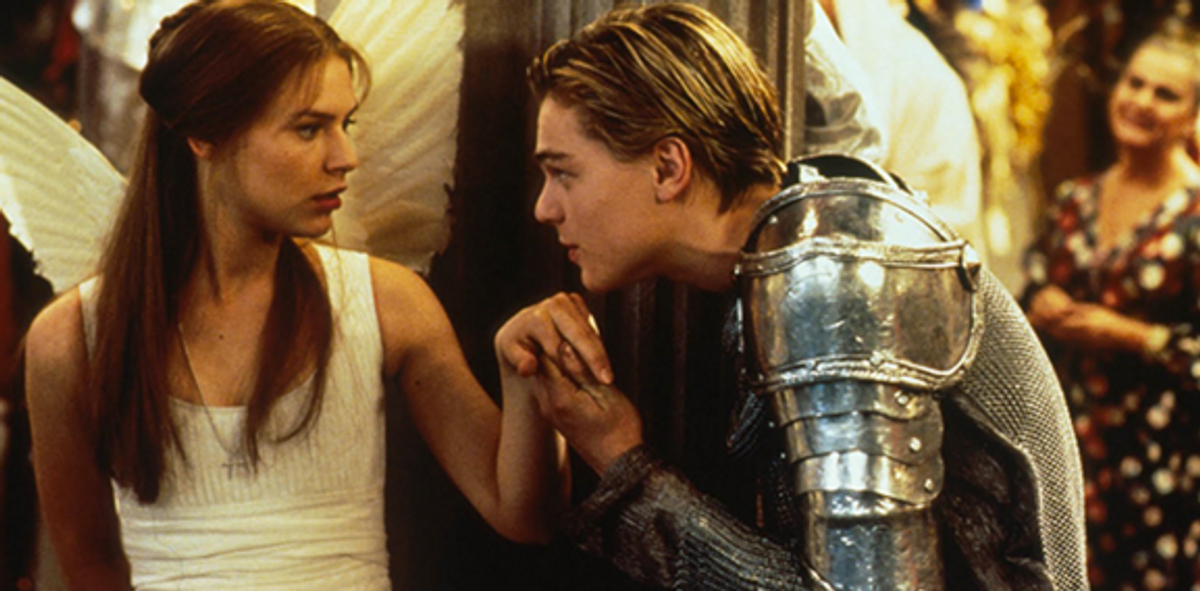
These narratives depend on the concept of Romeo and Juliet laws to excuse relationships between individuals of significantly different ages. Romeo and Juliet laws, in brief, protect young adults who have engaged in consensual sexual acts but differ in age by a couple years. However, the typical age range to protect these individuals is only 2 to 4 years. Therefore, relationships with an age difference of more than four years are still considered to be a felony in the eyes of our judicial system.
Romeo and Juliet-style relationships elicit psychologically damaging effects in the younger individual, particularly when the individual has not previously engaged in sexual contact. When one party is wiser, older and more experienced, the basis of sex becomes power. In a critical time period for cognitive development, younger men and women who engage in these forms of sexual relationships adopt the notion that sex is a demonstration of power, and may apply the behavior to future relationships. Furthermore, victims of statutory rape are at a greater risk of developing mood disorders later in their lives.
In Shakespeare’s Romeo and Juliet, the star-crossed relationship ends in utter tragedy. Forbidden relationships with an age gap are not more romantic, alluring, or sophisticated than those between individuals of the same age. They are destructive. They rob young adults of their innocence, at a point in their lives when they’re already faced with the challenges of growing up. If shows like Pretty Little Liars continue to shape our social discourse, we risk developing a culture that fosters emotional abuse.

















