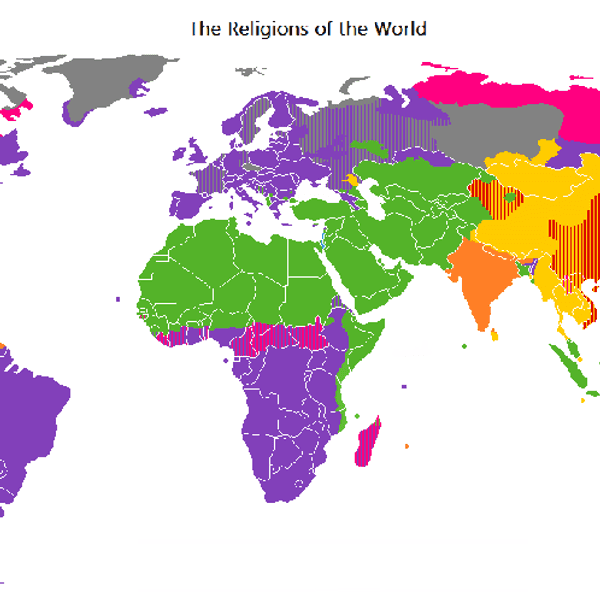


I have questioned the importance of religion ever since I took a first into a temple as a child. I delved deeper into the history of Christianity in the midst of my Bible study sessions and in literature classes. A wide variety of soap operas and serials relating to Islamic practices have also molded how I view others with different religions.
Here are some of the questions I have and am still struggling/ failing to answer:
1. Why do people believe in a supernatural force that no man has ever seen or heard?
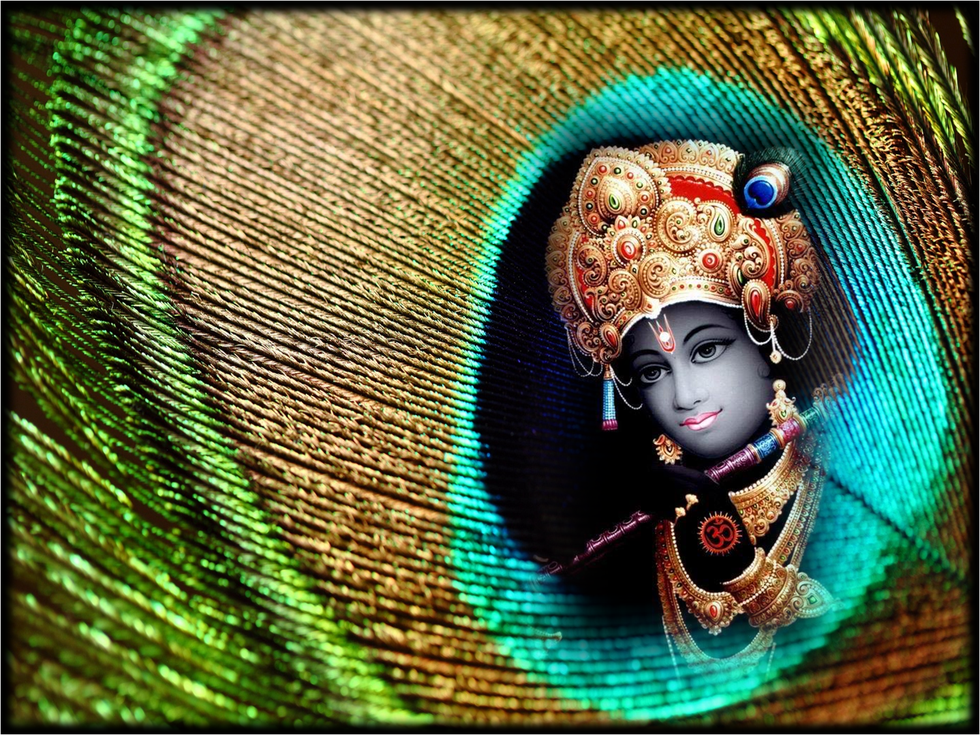
For the longest time as a preschooler, I genuinely believed that my respective God or Goddess is my future imaginary friend who glows with blinding light when he or she visits me. I was brought up to believe that my revered God or Goddess will give me strength to achieve anything I wanted to achieve. I grew up, disappointed that no one showed up like that, EVER, and that this was all a lie. However, this experience ingrained in me that no matter what religion a person follows, the stories of holy books should be interpreted figuratively, not literally. After all, these stories were written thousands of years ago; how can we today measure their accuracy except for the birthplaces of certain divine figures like Jesus, Mohammed, and Lord Ram or Lord Krishna?
3. Has religion-based prejudice done more damage than good?
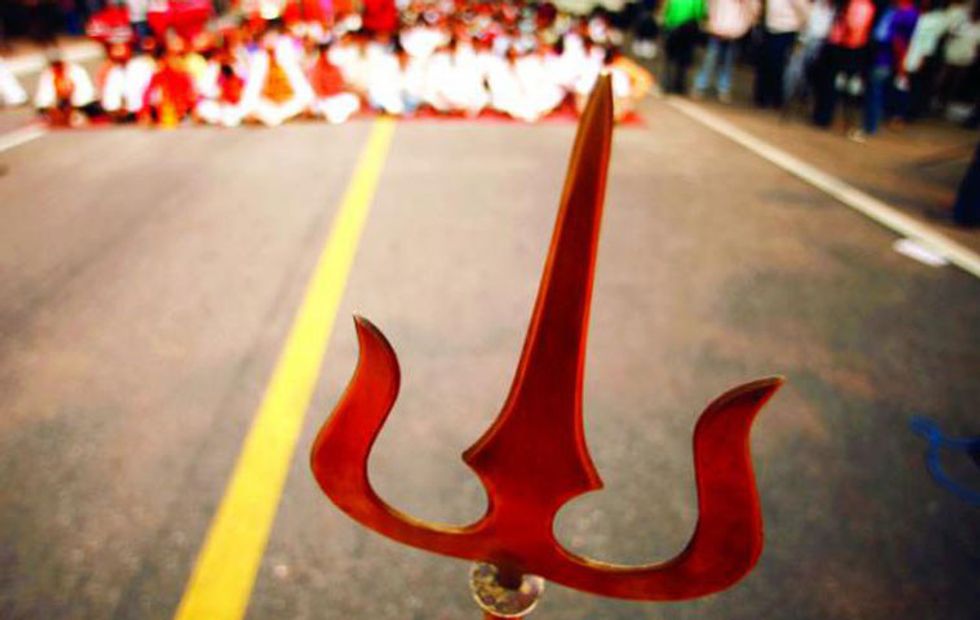
Religious rivalries and quarrels aren’t mere, forgiving events. The Protestant Reformation, a sect of Christianity, itself was unpleasant initially. Today, the leading presidential candidates are screaming foul words and generalizing all terrorists into a Muslim stereotype. I remember learning about ruthless Mogul rulers who beheaded Hindu kings during war time. On a more relevant and societal scale, intermarriage between individuals with different religions is seen as blasphemy. For example, a Hindu will experience difficulties living with a Muslim or a Christian because Hindus don’t eat beef or pork like the latter. Hindus also live within a caste system, in which marriage between individuals of the same caste and religion is of utmost importance.
 Deism describes the world has an interdependent collection of things designed by one creator, and that “clockmaker” is God.
I believe that religions were man-made to relieve the flawed human of misery and worry. Life itself was theorized to be a gift from God, and death marked the end of the gift and transition into a state where god will take care of that person again. In Hinduism, the repeated cycles of reincarnation are just a way for a person’s soul to purify into a level of altruism, devoid of desires of materialistic objects to achieve an enlightened stage of Moksha.
Overall, Hinduism focuses on internal peace while teaching discipline through various rituals. Hinduism doesn’t negate the existence of other religions, a quality that all Abrahamic religions seem to lack. Yes, like religious followers of all religions, Hindus are also flawed and tend to practice the caste system way to severely. However, the polytheistic aspect of my religion gives me the freedom to worship any God(s) or Goddess(s) at any time. These rare qualities keep Hindu culture alive today, even with a low population of followers outside India and Nepal.