
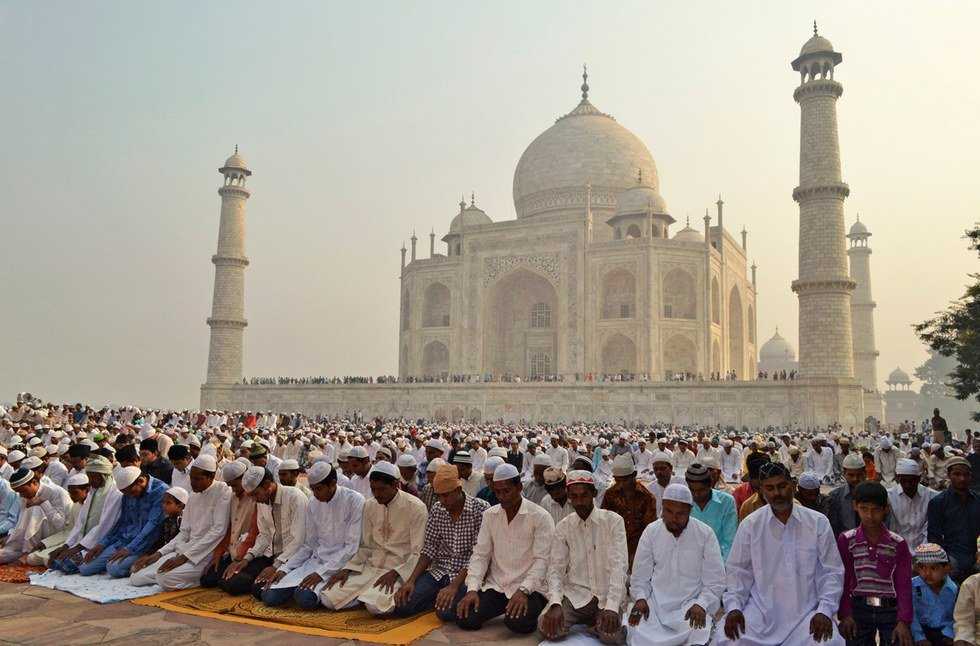
Recently, in a religion class, I have been learning about the Quran. Regardless of your political, religious, or social opinion of Islam, it’s not hard to figure out that many of the stereotypes we have about the Muslim faith are, at least, a stretch. I’ll admit, I have only read a tiny portion of it, but perusing through the book that they believe to be a revelation from God to the prophet Muhammed doesn’t exactly call to mind judgment and reckoning any more than our Old Testament, and Jesus Himself does. The reality is that the Quran is actually full of a great deal of truth. It tells of a compassionate God and His love for us, His creation. It tells of God sending prophets as His messengers and their subsequent rejection by man. It tells of reckoning to come and of a life of purity to be lived until that day. The problem is, it gets one thing wrong.
One of the fascinating things about the Quran and its construction is the context in which it was written. Muhammed’s story is quite compelling. He was born in the early Arabic nomadic tribes of the Bedouin who wandered the Arabian and Syrian deserts. These tribes often warred against one another. And despite the persecution he faced from many of them, he was able to successfully bring peace and unity to all these tribes by the end of his life. These tribes, after they had adopted Islam, would eventually rise to power over all the Middle East where their descendants remain today.
In Bedouin culture at the time of Muhammed, poetry was very popular. In fact, a favorite pastime was to gather together to have poetry competitions with friends. Instead of playing basketball, they had poetry jams. And a popular style of poetry in these contests would take the same basic structure: an unlikely couple meets in passing; they fall in love; they are separated; the man must make a journey through the desert to find his beloved; he finds her and they have a celebration. Though the details would be changed by each individual teller, the basic structure remained this way for many.
The Quran, which is in fact all poetry, takes the exact same narrative structure. The only difference is that the characters of interest are replaced. The one trekking through the desert is man, and his beloved is God. So, in essence, the Quran tells the story of man’s pursuit of God by way of the Straight Path. The reward is Paradise.
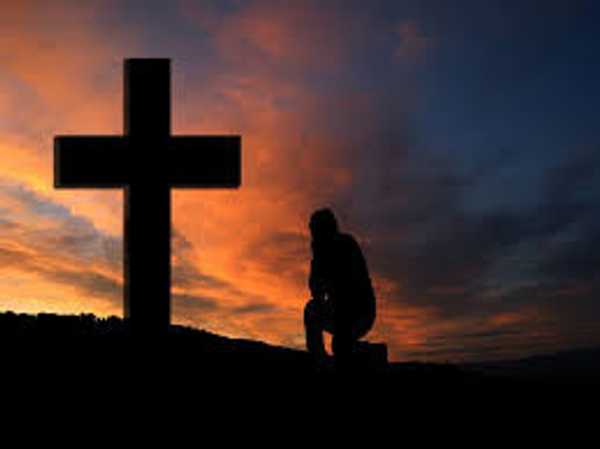
That is a truly beautiful story, but I think it got the characters confused. If I had to tell the story, it would not be of my journey through the heat of the desert and the danger of the night to reach my God. It would not be of my undying love for Him that drives me to do whatever it takes to reach Him. It would not be an image of my celebration at the end of this journey because I finally found my Beloved. It would be quite the opposite. The narrative would be of a God who journeyed through the heat of the desert and the danger of the night to reach me. It would be of a God whose undying love for me drives Him to do whatever it takes to reach me. It would be an image of eternal celebration at the end of this journey because He found me. Ultimately, it would be the story of a God whose love and mercy were so great that He became flesh and died to take away my sins.
This narrative is much different. It is a story that goes against the nature of what Muslims believe God to be. And maybe that’s the point. Why would God become a human? Why would He die for us? Because there is nothing we can do to redeem ourselves before Him. We have no power to save ourselves. We have no power over our eternal fate. We reject Him, hate Him, and disobey Him. When we walked away and turned our backs – when we didn’t follow a straight path – He pursued us. At our greatest point of need, He sent Salvation – Jesus Christ, His only Son. He loves us, His creation, with such passion that He, by His own choosing, decided to save us from our deserved fate. We can never earn it ourselves; all we have to do is ask.