During the first week of January, and the second week of our studying abroad excursion, our group had been scheduled to visit the Tate Britain in the heart of London, one of the many museums on our itinerary. I remember the walk from the Pimlico tube station to the white steps leading up to the bright white columns of the Tate Britain, and behind those, the doors that allowed one to pass through at no cost (donations are encouraged) to see some of the finest and most priceless art in the world.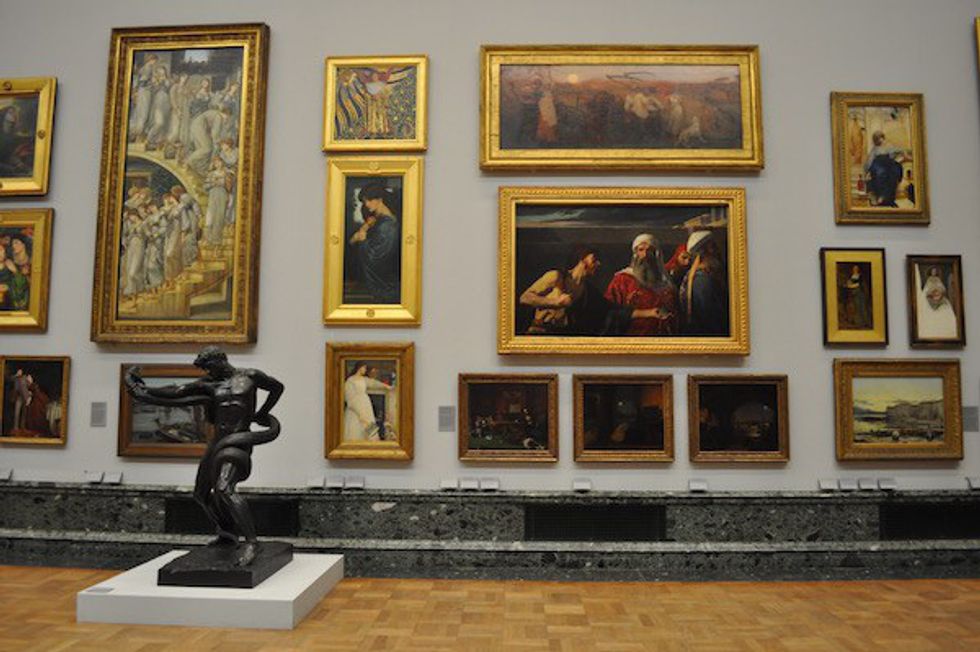
I had become instantly drawn to the simplicity of the Tate, and how each room connected like a large maze, where one can easily get lost in the bright colors and smooth edges of the paintings and sculptures that defined each decade of art. There was a stillness in the air, and light and sharp sounds resonated throughout the rooms like echoes.
Although, it was suggested that we start at the earliest pieces, and make our way through different periods and styles of art, from baroque to romanticism, to surrealism and postmodernism, I went backwards in time. They were all there, and the greatness overwhelmed me as I aimlessly wandered from room to room. The white, stone, and pale blue walls, although plain and naked on their own, were decorated with such mastery and precision, and soon minutes turned to hours as I gazed upon what seemed like endless amounts of art.
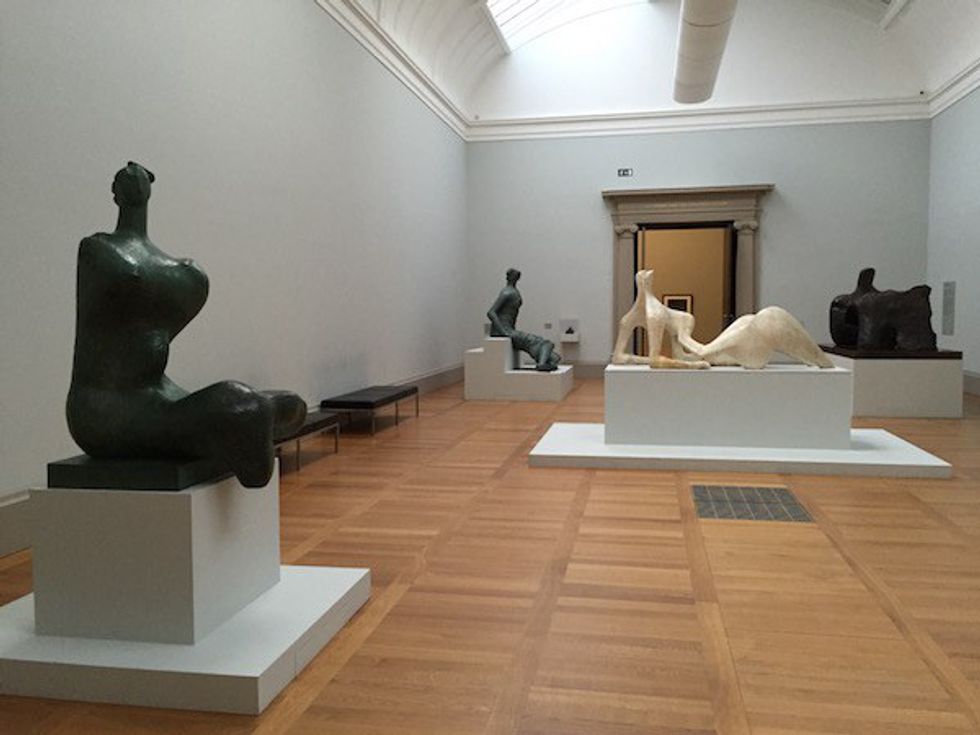
J.M.W Turner had his own exhibition at the Tate Britain, and rightfully so. His paintings tell stories about the sea, land, and life, while an ominous tone of disaster lingered within. The use of colors like blue contrasted the pops of yellow mimicking the blinding sun blocked by sea spray and clouds caught my attention immediately; a small informational plaque read "JMW Turner. 'The Painter of Light.'"
Even his darker paintings of deep nights broken by rays of moonlight made me feel that there is always a light, even in darkness. Turner's paintings also reminded me of the weather that day. For once it was less gray and more bright; I could even feel the warm sunlight briefly hit me as the light clouds moved over the city. But instead of taking advantage of a decently comfortable winter day in London, I decided to stay lost in the white maze.
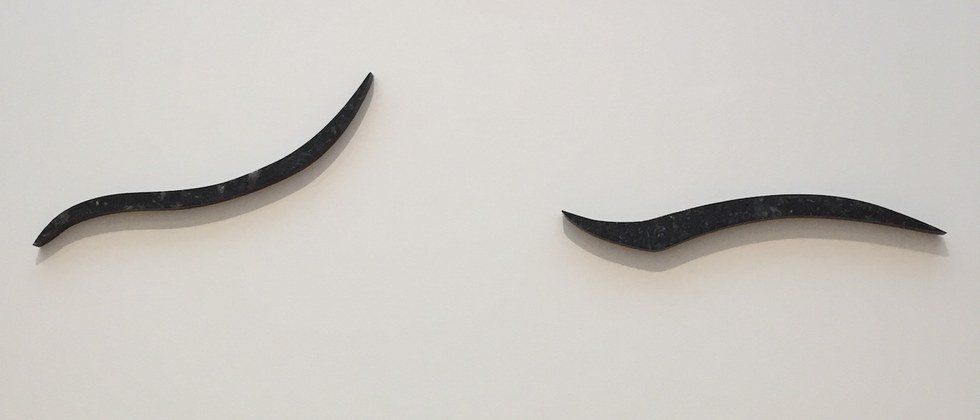
I then made my way back towards the modern art, which was suggested to be the last room to visit, due to the timeline on each doorway into a new part of the museum. However, I did things my way. The first sculpture to catch my eye were two black, marble shapes, resembling an eyeliner design; one I was quite familiar with. The informational card under the sculpture read:
Rallou Panagiotou
Eyeliner Tutorial, 2014
marble
I snapped a photo of my left eye in front of the sculpture, which made me feel like its real-life counterpart.
marble (and me)

However, nothing caught my interest more than she did. I spotted her on a crowded wall and walked up to the painting, which was in the perfect position for me to look straight ahead at, allowing me to gaze at it with ease. I had read about her many times, and her character resonated with me in a sense, but she was far more complicated and tragically flawed than I was. Ophelia was surrounded by beauty and life as she died, and Millais' painting of the cursed female character from one of the greatest tragedies ever written, depicts just that. The display caption read:
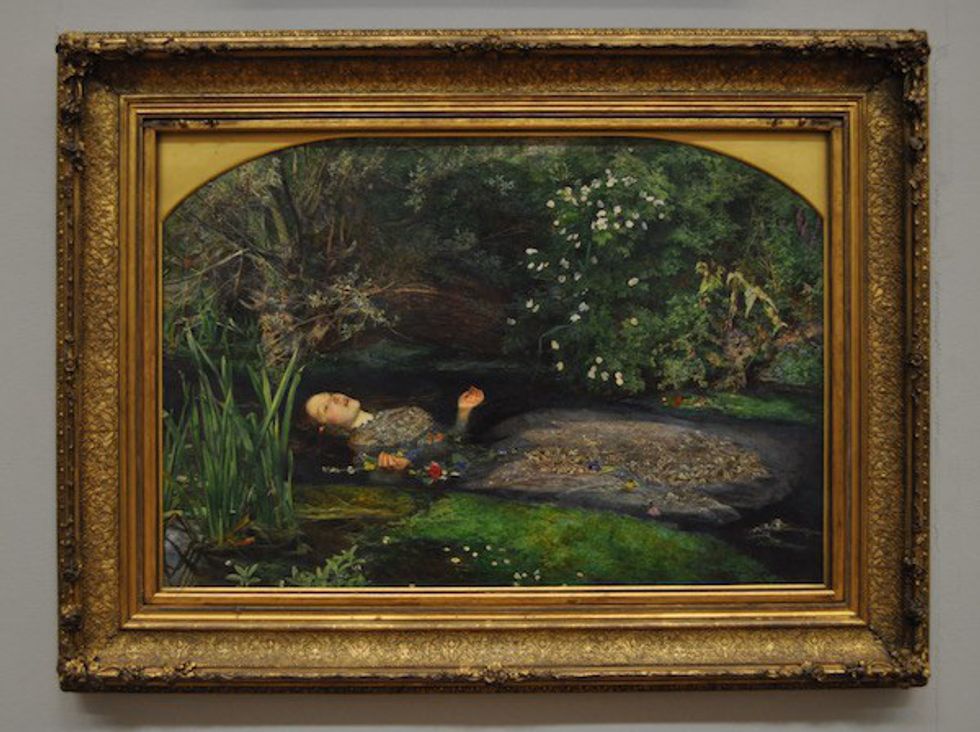
This is the drowning Ophelia from Shakespeare’s play Hamlet. Picking flowers she slips and falls into a stream. Mad with grief after her father’s murder by Hamlet, her lover, she allows herself to die. The flowers she holds are symbolic: the poppy means death, daisies innocence and pansies love in vain.
People came in went, stood next to me also admiring the painting, and simply walked by without a glance, but the importance of this painting to me was evident. With Hamlet being one of my favorite works of all time, Millais' Ophelia drew me in like Shakespeare's words had. The haunting beauty of it stayed with me as I departed the room where she lay and made my way back to the entrance of the museum.
I met my sister at the cafe on the bottom floor, and we drank hot tea and talked about what we saw and our plans for the rest of the night. We left the Tate Britain just as the sun began to set at its usual 4PM time, and the although the winter days were short, from then on, the bright moon lit up the cloudy nights in London like a modern day Turner.