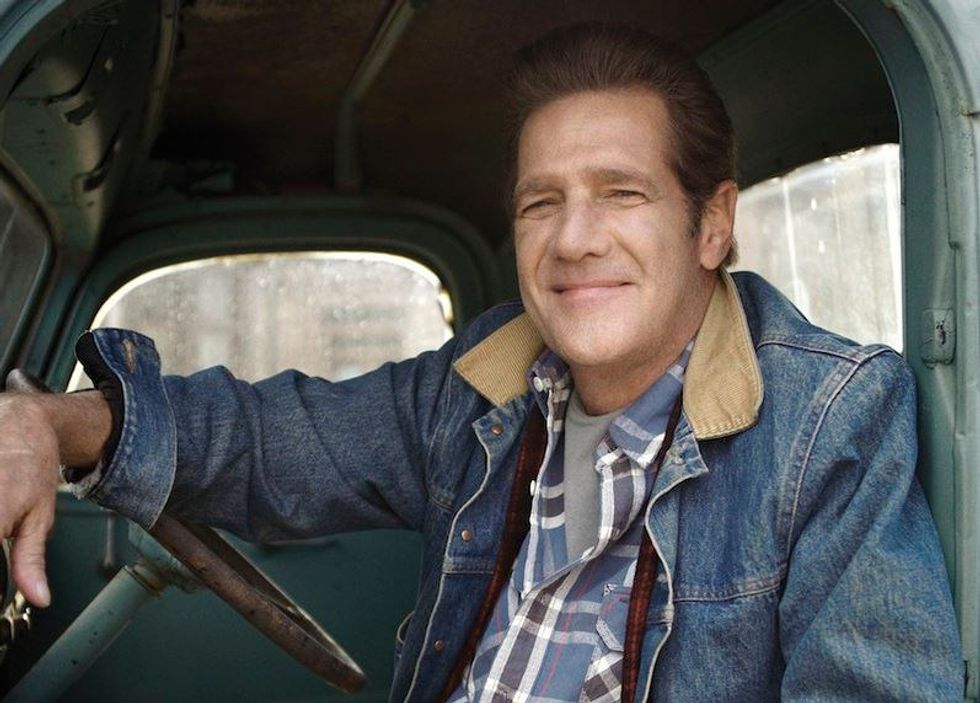

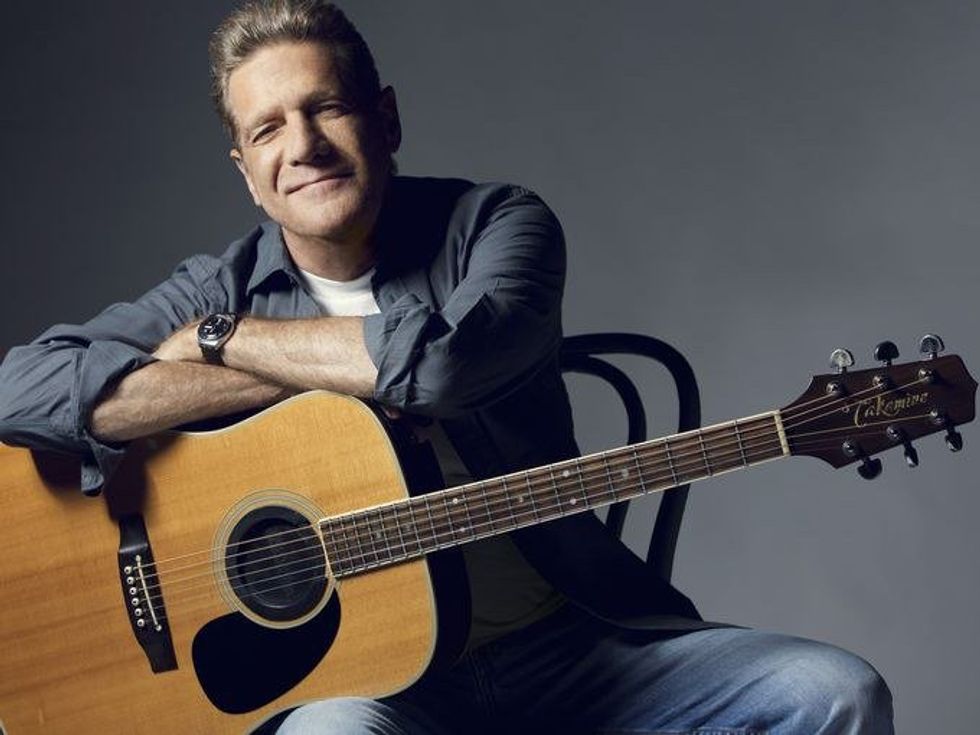
This year has marked many tragic losses from the music community. Those deaths permeated the media for days and weeks, celebrating the lives and music of these individuals who impacted so many. There were commemorative books, magazine covers and endless music videos played on MTV again.
The trouble was that after about one day, the media forgot about Eagles founder Glenn Frey.
Frey passed away January 18. It was a typical Monday for me, preparing to return to school, when I checked Facebook and saw the announcement that he had passed away at the age of 67. I lost it.
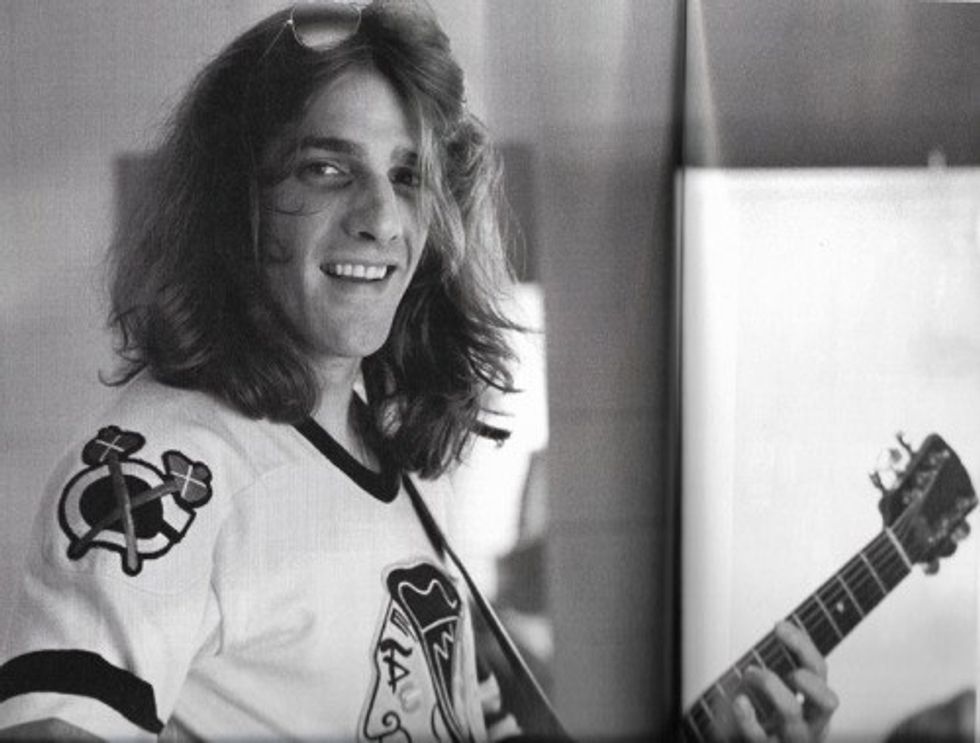
Glenn Frey was a child of Motown and the British Invasion, growing up in Detroit in the 1950s and 1960s. As a teen, he became involved in several bands, where he explored his interest in the burgeoning music scene emerging from southern California, the likes of the Byrds and Buffalo Springfield. Soon, he traveled there, moving into a small apartment with fellow singer-songwriter John David Souther, both men honing their songwriting talents by listening to friend Jackson Browne write songs in the apartment below them. Frey met another young singer-songwriter, Texan Don Henley, and in 1971, with Randy Meisner and Bernie Leadon, the four formed the Eagles. Over the course of the next decade, the band produced six studio albums, one live album and one greatest hits record. One of those records is "Their Greatest Hits 1971-1975," which many rock historians fail to note is the bestselling album of the 20th century. Another album, "Hotel California," remains one of the most legendary rock albums of all time, containing some of the greatest song craftsmanship the genre has seen.
The 1980s saw the explosive end of the band, concluding with what became known as "Long Night in Wrong Beach," on July 31, 1980, referring to an expletive-filled set argument between Frey and guitarist Don Felder that culminated in the band remaining apart for 14 years. Throughout that time, Frey made a name for himself as a solo artist, recording three successful solo albums and a string of hit singles. Then in 1994, the Eagles reunited, beginning with the Hell Freezes Over tour. In 2007, they recorded their first album in 28 years, "Long Road Out of Eden." 2013 brought the release of the incredible "History of the Eagles" documentary chronicling the band's tumultuous history, their public swan song.
I flipped through channels, hopeful that someone acknowledged the life of Glenn Frey. What I found was that coverage of Frey's death was short-lived and limited. There were a few segments on some nightly entertainment shows that evening, and in the weeks to come, a few brief articles. Not one TV special. CNN replayed the 2013 documentary. Not one major magazine cover. The media forgot Frey's death. I and other fans could not.
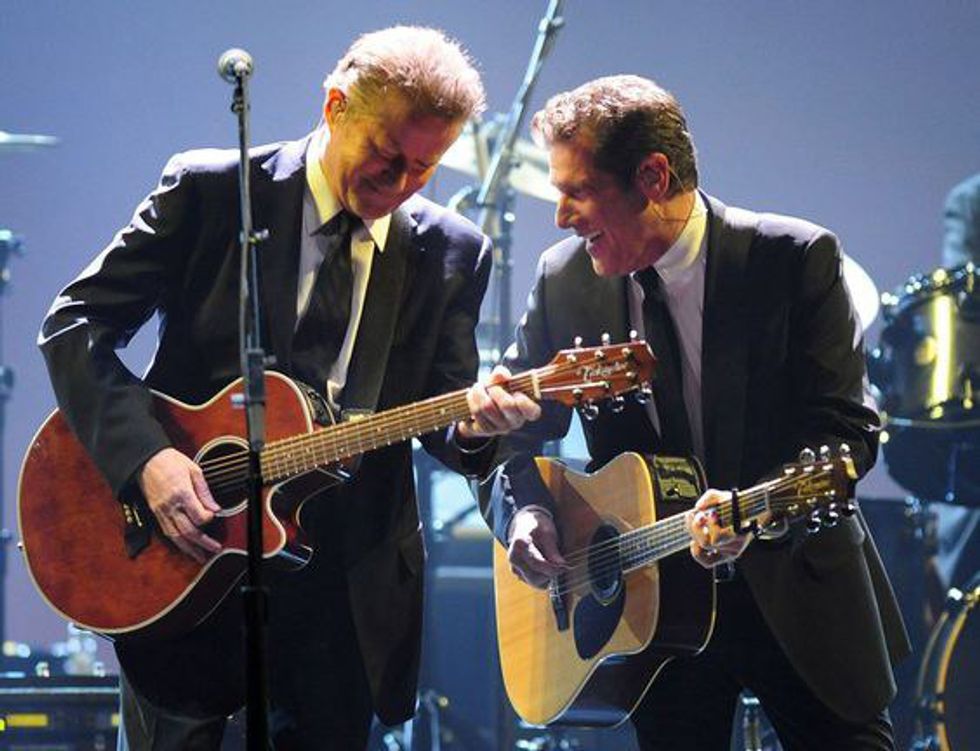
Frey was the first artist I have truly mourned, making his death the first time that my musical world had changed. He was almost like a friend in the sense that I lived my life with his music as the soundtrack. I had watched "History of the Eagles" dozens of times, watched the live concerts countless more and listened to Eagles albums constantly. Without him, the Eagles were no more, a statement from Don Henley confirming this not a month later, shattering my opportunity to ever see the band live. While I had only been a dedicated fan for less than three years, my adoration for the band was no less than those who had been a fan for decades.
Even though the media appeared to forget Glenn Frey, the fans cannot. Facebook groups dedicated to the Eagles shared their grief through photos, stories and music. People of all ages, be it me at 21 or others in their 50s and 60s, are mourning the loss of the man, the singer and the songwriter. Since his passing, many have continued to mark the number of months since. One stated that they did not know how long it would be before they stopped or if they ever would. It proves how deeply the loss of Frey has rocked fans, and no matter how unfair the media was to Glenn Frey, his death is something fans will likely never recover from.
Throughout the past few months, I often expressed my anger at Glenn Frey's passing not receiving fair treatment in the media. What I have concluded is that Frey was not controversial enough. While his music endures, he did not wear makeup, dress crazy or do outrageous things. He was one of us. I don't know about the media, but that's one of the reasons I could connect to him. Glenn Frey was human.
At the conclusion of the "History of the Eagles" documentary, Glenn Frey delivered one of his profound reflection, "We set out to become a band for our time. But sometimes, if you do a good enough job, you become a band for all time." Ultimately, it will not matter how many magazines Frey was or was not on the cover of. The music of Frey and the Eagles will live on far longer than any of those superficial tributes. The universal songs the band wrote that will live on long beyond Frey or any of the Eagles' lifetimes.