
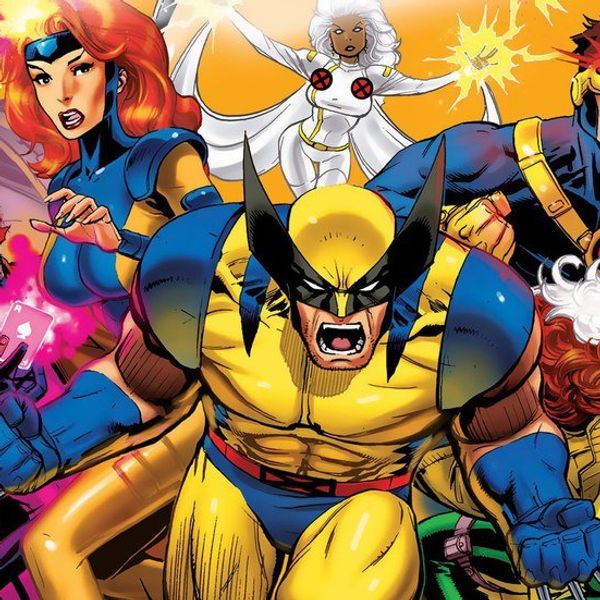
Nowadays, it’s almost impossible to go five minutes without seeing an ad for the next up-and-coming superhero movie. Whether it’s Marvel's hulking (no pun intended) Avengers franchise, DC’s latest crack at the Justice League or Fox’s long-running X-Men series, entertainment today is locked in a vicious obsession with the extraordinary. These feature films all share one definitive trait that has driven their recent increase in production: They almost always tend to produce massive numbers at the box office.
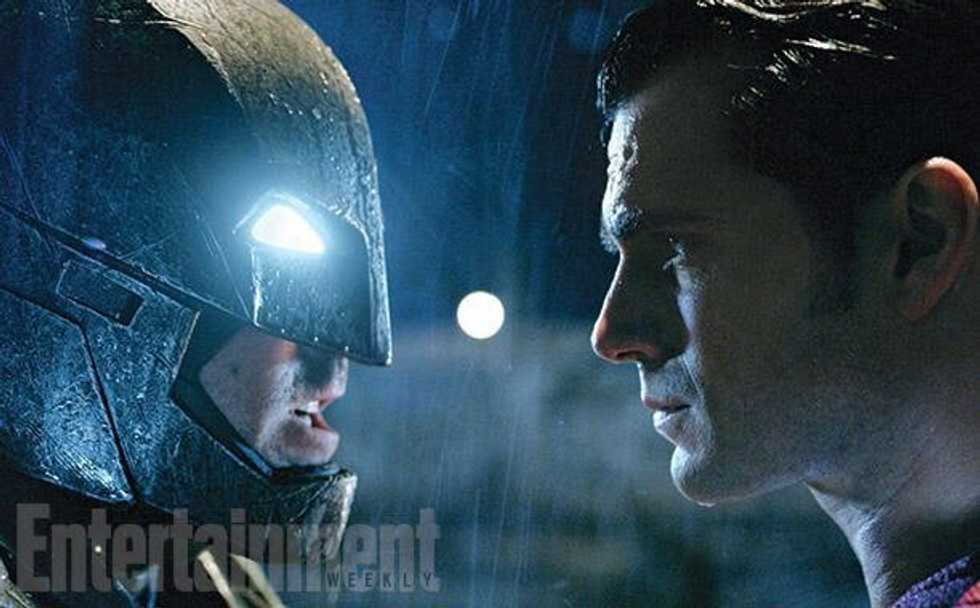
Take Zack Snyder's "Batman vs Superman: Dawn of Justice," for example. Thanks largely in part to a $165 million dollar promotional campaign, the film ended up grossing nearly $260 million dollars to date, and now holds the record for the biggest March box office opening in North American film history. This success was widely expected before the release, and will be the precedent moving forward for the rest of DC’s expanded universe. The same rules apply to the other franchises as well, as both Marvel’s "Captain America: Civil War" and Fox’s "X-men: Apocalypse" are expected to smash the box office in their upcoming releases. And while box office numbers do generally translate to overall success in terms of high-profile movies such as these, that hasn't always been the case.
Critics have been quick to voice their distain over recent films, such as the previously mentioned "Batman vs Superman," and Marvel’s 2015 "Avengers: Age of Ultron." Issues range from outrage over character portrayal, to a lack of appreciation and respect for original storylines, and even to outcry over the movie’s death tolls. While all of these critical claims have their own legitimacy, together they can be viewed as the result of an even bigger, overlying issue that all of these films have now taken to.
I believe that marketing is at the heart of this issue, and that the agendas of the powers-at-hand have lead to a lack of quality in recently touted superhero films. The success of a film is largely dependent on how the film is marketed and sold to viewers. What companies such as Marvel and DC have done is integrate the promotion into the films, to the point that films themselves simply act as a teaser for the next film in line.
Now, don’t get me wrong, it’s not that companies can’t do this and still be left with a great product. Rather, it’s how it seems as if the companies have shifted all their focus to this, and it's hurt the films in the process. Issues regarding character development and the trajectory of a storyline can be traced immediately back to this, as directors are forced to work in a manner that must set up all of their characters for the next big (predictable) summer blockbuster.
In order for these filmmakers to continue the genre's recent hot streak, they must shift their attention back to what brought them success in the first place: original storylines that are able to show surprising character change and growth, and captivate the viewer to the point where they view the actor in the suit as truly superb, not just a big name actor and a couple hundred million dollars.
















