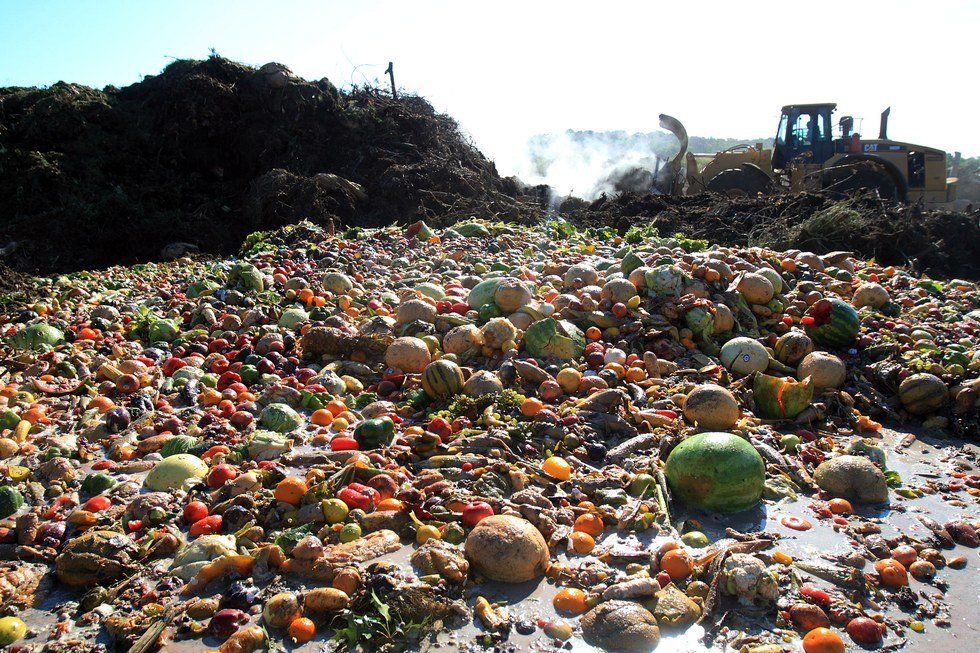
Did you know that one-third of all food produced for human consumption is either lost or wasted? Even more astonishing, a recent study by the Guardian found that half of all produce grown in the United States is discarded because it is bruised, discolored or deformed. Due to this, more than 40 percent of the food in America goes uneaten.
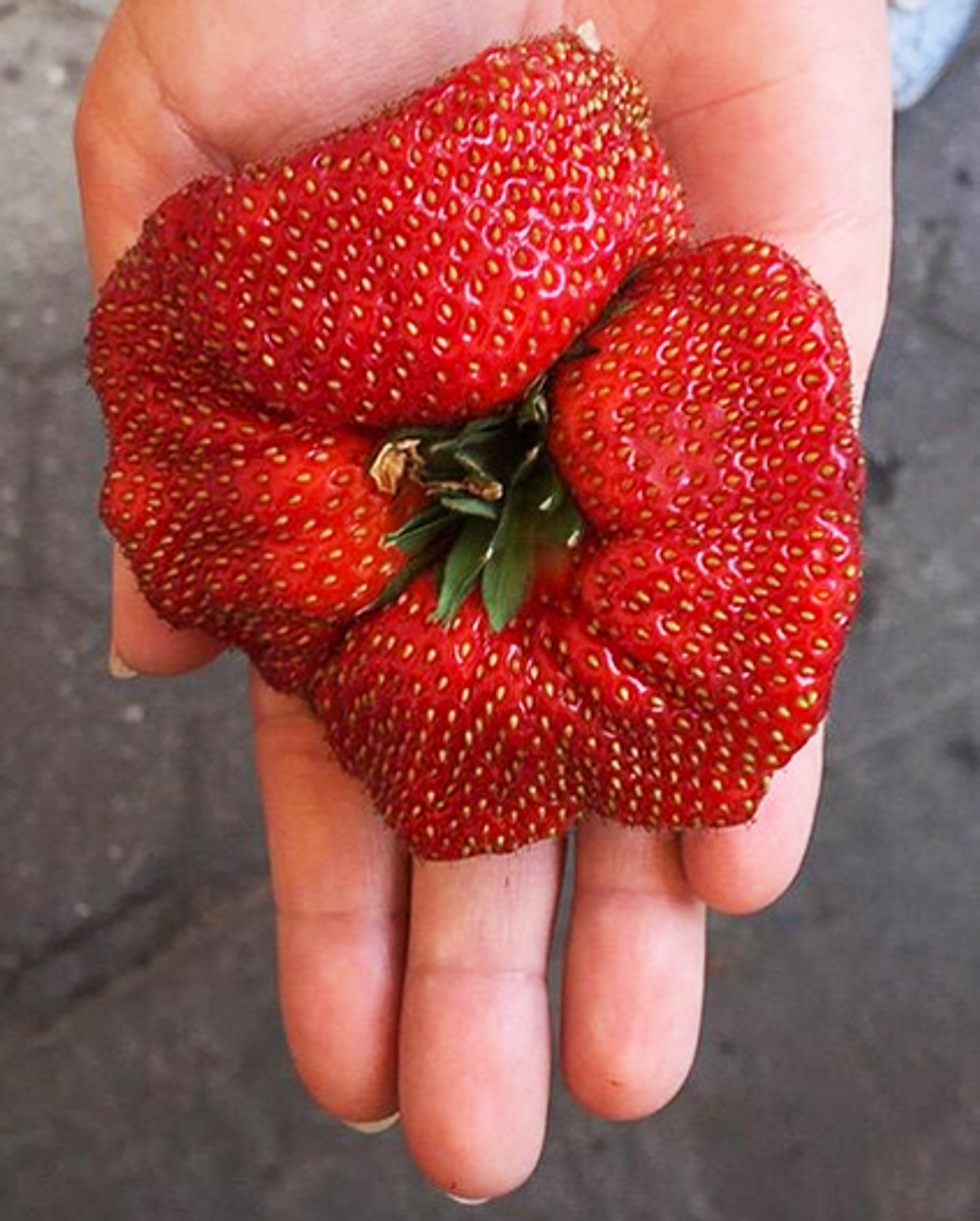
Why? Because America is obsessed with perfection, beauty and eating blemish-free produce. So much so that most people would rather throw away a ripe, nutrient-rich apple because it has a small bruise. The unconceivable amount of waste due to our superficial standards is astonishing. Fruits and vegetables can become disfigured by a number of unavoidable situations that do not harm the consumer. Yet if a piece of produce is not picture perfect, we are completely turned off by the idea of buying it, let alone eating it.
Even more concerning is that while many of us are throwing away perfectly edible food, more than 800 million people across the world are going to bed hungry every night. In the United States the Department of Agriculture estimates that 15.3 million children live in food insecure households. Just last year, one in six households didn't have enough money to buy food at least once throughout the year.
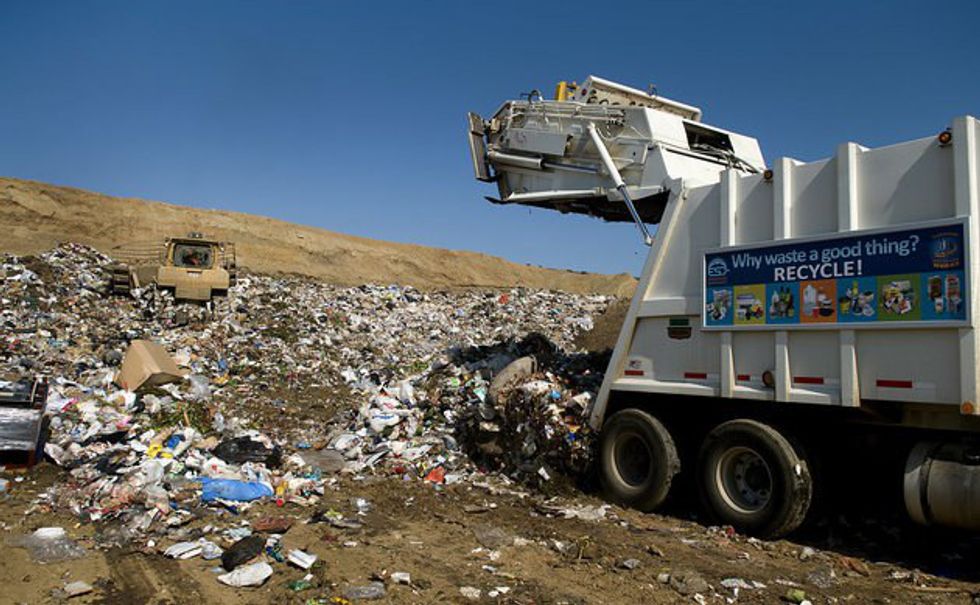
The bad news doesn't end there. The Food and Agriculture Organization reports that food waste also has a significant impact on the environment. It takes up more than a quarter of the world's available agriculture land and produces 3.3 billion tons of greenhouse gases. Additionally, food waste also creates political tension because food shortages are one of the biggest risks to global stability.
So where do we go from here? How can we reduce the amount of food we waste? Luckily, there are a few organizations that have started campaigns to support less food waste and promote the consumption of "ugly fruits and vegetables". The Huffington Post has created the Reclaim campaign to raise awareness about food waste and attempt to reduce it. UglyFruitandVeg.org advocates for the reduction of food waste by creating petitions, educating individuals with weekly newsletters and scheduling and promoting events that fight food waste. One of the campaign's greatest successes thus far has been collecting over 100,000 signatures that convinced Whole Foods to start a trial selling ugly produce. Founder of the website, Jordan Figueiredo, has now created a similar petition for Walmart to do the same thing. Sign the petition here.
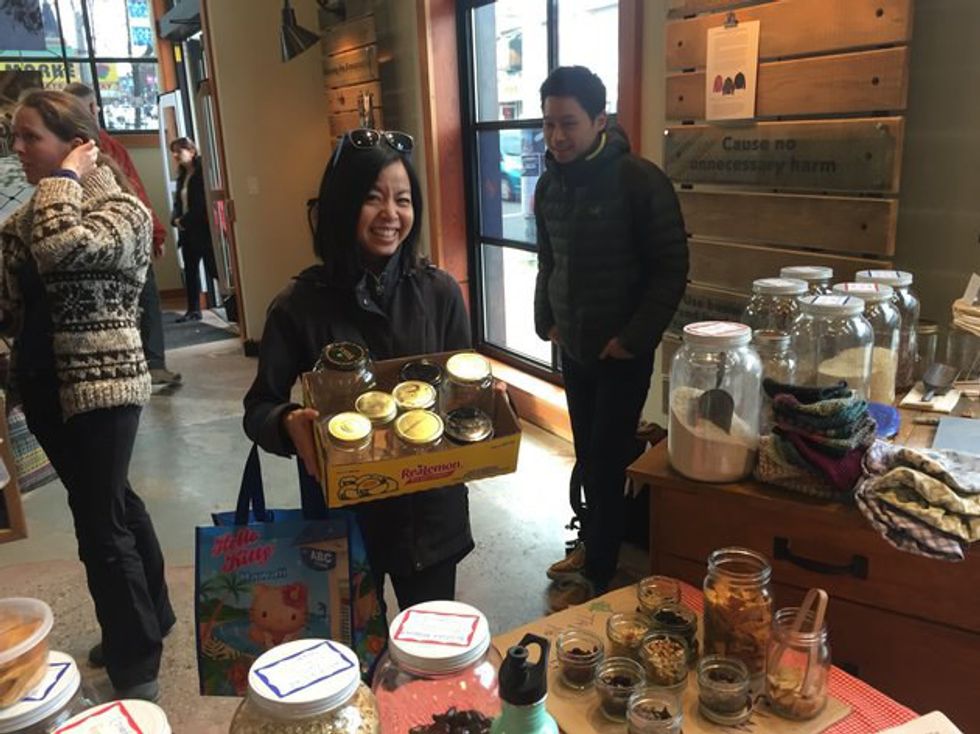
Traveling across the Atlantic is the concept of no-waste markets. First initiated in Europe, this trend has made its way to Brooklyn, New York by the means of Sarah Metz. The name of the store is the Fillery and its concept is simple. Customers can buy or bring their own reusable containers and measure out the exact amount of product they want. The Fillery will sell everything from local milk, dry goods, oils, vinegar, honey, and even dish soap. Although it hasn't yet opened for business, after raising $17,000 on Kickstarter, Metz is searching for a space to house the no-waste market and hopes to open its doors sometime this year.
The issue of food waste is huge, but it is not complex. The bottom line is that we are wasting food and it's time to be more aware of how much we needlessly throw away due to ridiculously high standards. The good news is, as more people become aware of this issue and take action, it can be resolved. Food waste can be reduced.