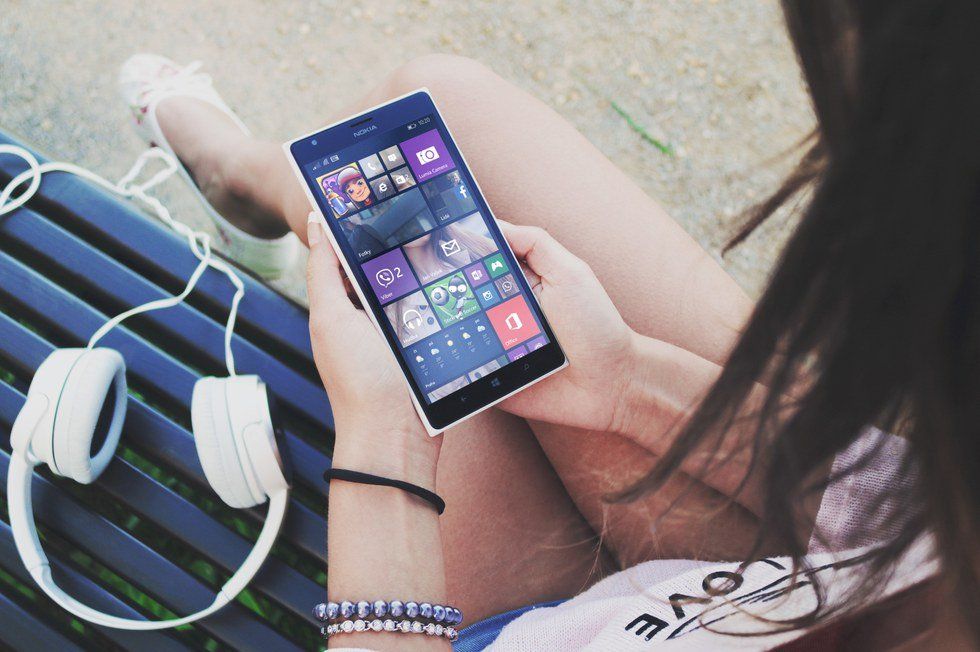
There is a growing argument that claims students today are too addicted and too hindered by technology. As a 19-year-old "Millennial," I happen to fall into this category. I would like a chance to respond to the criticism.
As one of the first generations to grow up with the Internet, I think it is fair to say that I have been strongly influenced by technology. In my house growing up, we were fortunate enough to have a desktop computer that included games. Some of the first games I ever played on the computer were educational in nature. I am sure this is true for those who are my age and younger. For my generation, that is how we began to learn to some of the most basic things. Right from the get-go we adapted to and expected technology to be useful and fun.
As we grew older, technology advanced; computers and the Internet became more accessible. By the time we got to grade school, teachers were also using computers for educational purposes. We had "computer time," where we played games that helped to teach us numbers, words, colors, etc. These games kept us engaged and made learning fun. This never changed. As we progressed through middle and high school, the technology got better still. Entire rooms ("computer labs") were devoted to computers and if you were lucky enough, the school had personal laptops that you could wheel into your classrooms. Then came smartphones - tiny computers in the hands of every student.
Many of the articles that talk about the "growing addiction" to technology and smartphones do not mention the obvious reason why students today are so dependent on it. We were taught by it, some even raised by it. Parents and teachers found it all too easy to plop us down in front of the computer or television screen. It made a great babysitter when mom and dad were too busy to play with us.
I can understand the frustration of parents and educators who feel that their children or students are more interested in their phones than anything else. But it is not our fault that we were born in the Internet boom. Yes, as an educator, you can collect phones at the beginning of class or threaten your students with lowered grades, but in all reality, that cannot undo everything we have learned and become accustomed to since we were old enough to click a mouse.
Educators often blame poor grammar and poor social skills on students' dependence on their cellphones. But these things do not have to be hindered. If teachers are not adapting to their students and the changing world around them, then more conflicts will arise. I was just recently reminded by a professor that the "traditional" lecture style of teaching is becoming a thing of the past. More and more often classes are hands-on and interactive, some even encourage students to take out their smartphones and use new educational apps that are incorporated into the lesson.
I am an aspiring educator and even though I feel that I learn best through "traditional" teaching methods, I must concede to the changing world. Students that are kept engaged are successful students. We must play to each generation's strengths, not our own as individuals.