
A former Stanford University swimmer has received a six-month jail sentence for sexually assaulting an unconscious woman in January 2015.
Actually, that should be reworded.
A human being forcefully took advantage of, sexually abused, and psychologically scarred another human being, and he hasn’t received nearly enough punishment for it.
The 23-year-old anonymous victim recently released her riveting and chilling statement letter online. In response to being violated in revolting ways by college freshman Brock Allen Turner, she has put together a statement that speaks volumes about how the justice system handles rape cases, how extensively rape victims are affected, and the nature of human interactions and trust in one another. The letter is completely accessible online, a cry for a voice to be heard from anywhere in the world. In her words, we understand that she is distraught. But we also are profoundly impacted to want to make a change. We are reminded of the seriousness of the epidemic that is rape, and we are provided with the voice of the everywoman, the light at the end of the tunnel that shines for hope and reform.
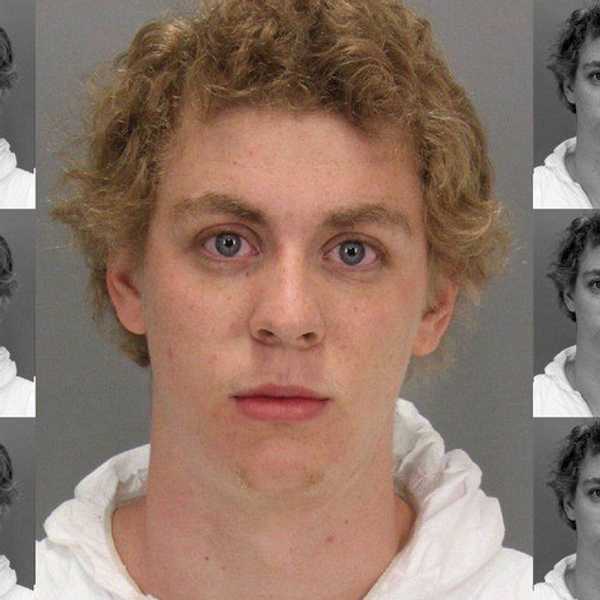
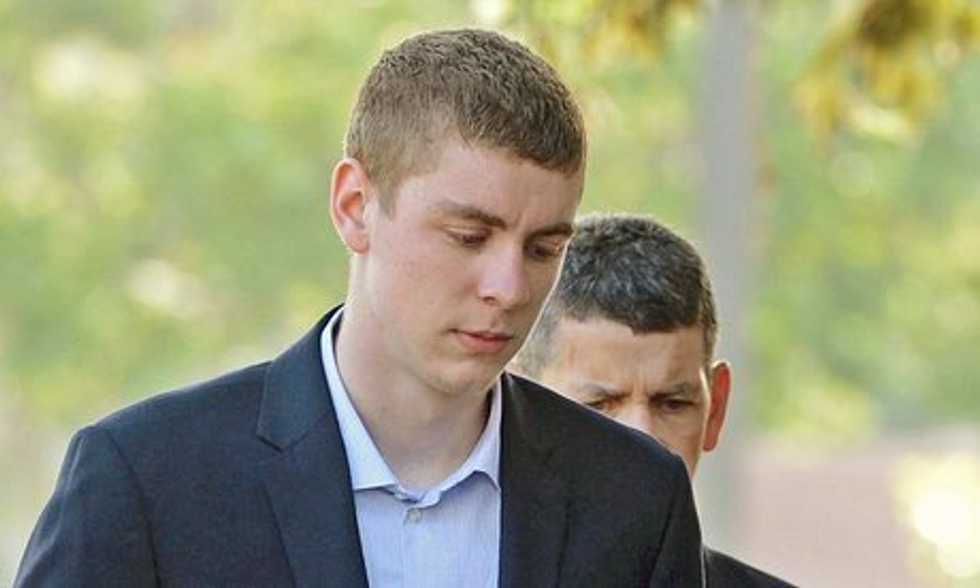
There has been tremendous criticism regarding recent articles because of their portrayal of the rapist in a seemingly positive light: a surprising, All-American swim star with a bright future. Pictures of a nice—almost smug—smile, a suit and tie, groomed hair. Nothing like the broadcasted mugshots of accused Trayvon Martin that deliberately portray him without a smile.
In that sense, throughout all of this, nobody focuses on girl’s backstory or her future, they just focus on the rapist. Granted, she wanted to remain anonymous, and yes, that is completely understandable given what she has endured. But something should still be said about the impact of rape on women. Where are the statistics in the articles about this case? Why is there an emphasis placed on Turner’s life, selfish father, and personal qualities? If I were a journalist, I would at least place more focus on the two men who the victim describes as the two “heroes” who arrived at the scene as Turner was about to leave, and they alerted the police, as there seems to be little to no coverage about them.
And like the articles that highlight the now tainted future of this rapist that can swim, Turner’s father is coming to his defense. He believes that serving anything longer than six months would have mentally taken a toll on his son. His son who was so harmed and controlled by “alcohol and promiscuity” that he endured “20 minutes of action.” Action? A poor euphemism for “the inexcusable and absolutely disgusting assault of a non-consenting woman for which he is entirely at fault,” I think. And promiscuity? I’ll reference the words of the victim here: “It is deeply offensive that he would try and dilute rape with a suggestion of promiscuity. By definition rape is the absence of promiscuity, rape is the absence of consent, and it perturbs me deeply that he can’t even see that distinction.” Another point here: this case educates us about consent. For the better.
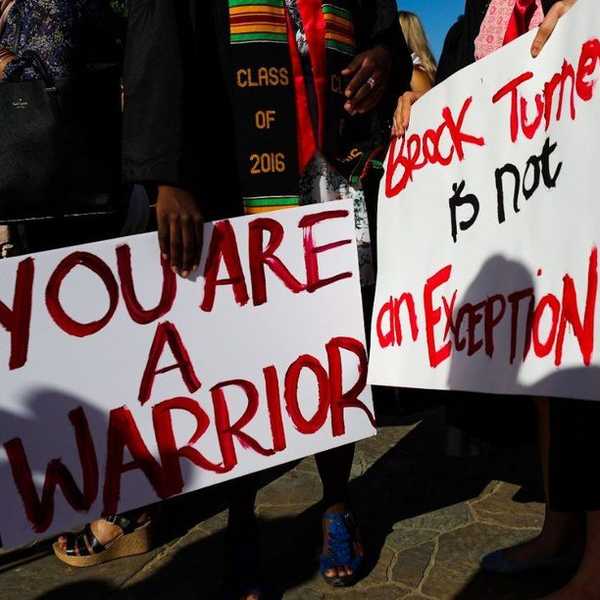
Almost immediately, viewers worldwide are responding to Turner’s father’s comments. It is refreshing for their voices to be heard, and it illustrates how social media is revolutionizing communications. As a result of the publicity this case has gotten, awareness has been raised among readers about rape, especially the unacceptable statistic that only three out of every 100 rapists will ever spend even a single day in prison. And further, I would hope that this case will spark a reaction to reform how rapes are treated and handled in our country. Will the rapes that occur once every 107 seconds just be other ordinary rapes handled the same exact way? Or will there be stricter punishments enforced? Will the rapists be assigned punishment based on their potential for a bright future and their privilege? I sincerely hope not.
The increasing media coverage, the articles popping up meaningfully on news feeds, the petitions begging to be signed, they’re all doing what media and press is supposed to do. Incite a public response powerful enough to make a difference. Without the instant access to others’ opinions and reactions online, this [unfortunately and likely] wouldn’t nearly be as big of an issue that it is. Awareness is being raised at the fact that, each day, rapists exist and get away with an even shorter sentence than did Turner. That’s six months. Note: he could potentially be released in as soon as three months.
After recently starting my internship as a Law Intern within the New York State Office of the Attorney General, I’ve learned a thing or two about the justice system. It’s a difficult thing because by definition, law isn’t designed to leave room for emotions. From a legal standpoint, attorneys need to do their job to defend their client, even if he is a rapist or a murderer, and that can cause a great deal of anger from the public, especially since the interrogatory questions for the victim are so pressing and intimate, and arguably unnecessary or too far. More importantly, this case sparks anger about why and how the judge made his decision to give such a light sentence, to the point where petitions have been started to remove the judge from his job. I’ve also learned that, obviously, lawyers and judges aren’t perfect. They have to try their best to make the right decision. But was this really his best? I personally don’t think so.
Overall, even though it’s an undeniable tragedy, I appreciate how this case and its coverage, now more than ever, at least helps educate countless young adults about the prevalence of rape. I find it ironic how we are so often told that rapists are usually not strangers. Yet, of course that isn’t a restriction; the victim said she didn’t even believe she was assaulted because she didn’t know anyone at the party.
This case goes to show that 1.) digital media networks are revolutionizing how we receive, share, and interpret breaking news stories, and 2.) there isn’t a cookie-cutter definition of a rapist; you might know them or you might not. They might be educated or illiterate. But in any case, and as supported by the blatantly ridiculous response from Turner’s father, people learn what they live. It’s up to parents, largely, and individuals themselves to make morally conscious choices at all times.
No external factors dictate how you treat other humans; we are all responsible for being kind and accountable for our actions. And that should always be enough.















