
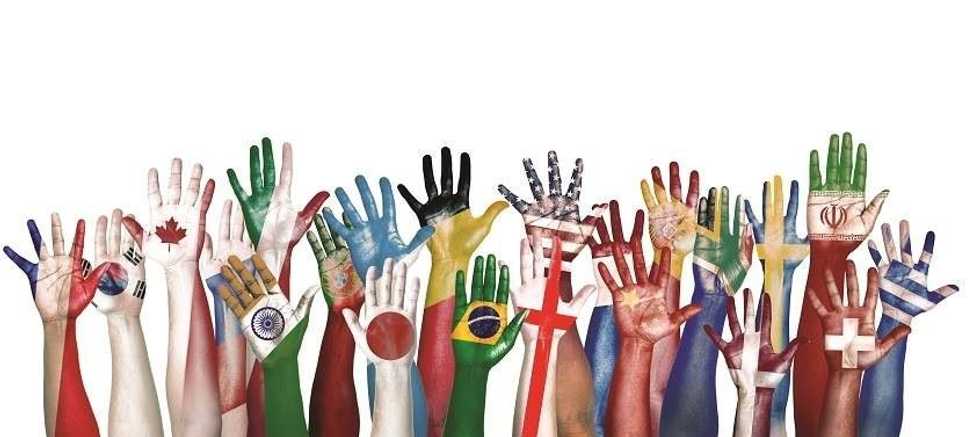
According to Pew Research, in the U.S. today, 12 percent of the population is second generation Americans. That means that approximately 38,564,263 people in the U.S. are born to at least one immigrant parent. As a second generation American myself, I can say that there are several barriers to cross, one major one being the cultural clash between home life and the rest of the world.
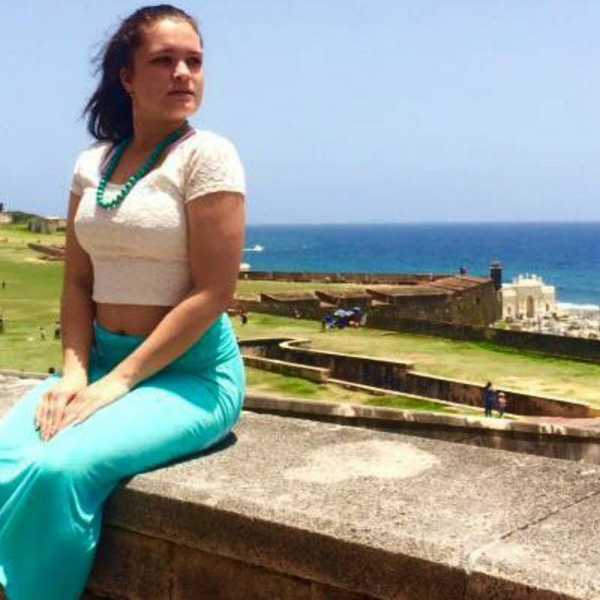
My father is an immigrant from Colombia and my mother is Puerto Rican. Raised in Queens, NY. I grew up with salsa blaring through our house and every few sentences spoken in Spanish. My house held mementos of the country my father left when he was just ten years old; Colombian flags and knick-knacks adorned our living room. As for my mother's country, we frequently traveled to Puerto Rico to visit family. As an Americanized Latina, I was often given the nickname "gringa" which roughly translates to "white girl" or "American." From the second I heard it, I hated that name. I felt like it had stripped me of my culture and all the things I had learned about my ancestry. My extended family, who still lived in Puerto Rico and Colombia, and to some extent my parents themselves, did not understand me or the culture I was growing up in. To them, I was not a "true Latina" because I had not grown up in their native countries and my first language was not Spanish. I spent years learning Spanish and studying my culture and family tree until I knew it better than my ancestors, but it all seemed to be of no use. I would seemingly always be the gringa.
School was a much harder place to mesh and blend into. From a young age, I could tell that my upbringing was different than that of the other kids in my class. When we would share in kindergarten about holiday time, listing our favorite dishes, the rest of the class would say the typical meal: mac & cheese, turkey, ham, etc. I would list the food my mother and aunts would cook: arroz con chorizo, pernil, sancocho, etc. It became clear that what was typical for me was not typical to my classmates.
As the years went on I tried to find a friend group that I could fit into, but everyone seemed so divided and I never quite made the cut. All the Latino kids would hang out together and when I was with them they were friendly, but there was always a tension that came about in innocent comments like "You talk kinda white." I tried my luck with the white kids and once again, they were perfectly friendly, but small comments would make me second guess myself like "Sam, you're so ethnic and exotic." I wasn't sure where to put myself, I was either too "white" for the Latino kids or "ethnic" for the white kids. I didn't want to be the "white girl" or the "ethnic girl." I just wanted to be a girl with friends. Simple.
It wasn't until my late high school years and now in college that I came to realize that I was not the only one feeling the strain of two cultures on my back. Plenty of other second generation Americans are dealing with the same issue, trying to place themselves in some sort of identity box, or trying to juggle the perfect amount of "ethnic" with the right portion of "American." What I have come to know as true is that there is nothing wrong with holding onto your culture and staying true to your roots as long as it's for you and not to prove your worth; being confident in yourself will bring the right people your way.