
Let's face it. When your teacher assigns yet another novel for you to read and write an essay on, the last thing you want to do is waste your time drudging through incomprehensible metaphor and overwrought dialogue. So, as a kind of service to the community, I've gone through them all and emerged, victorious, with the five you should actually read- if, and only if, it's because in my, incredibly biased opinion, these are the ones that are actually good.
"Great Expectations"
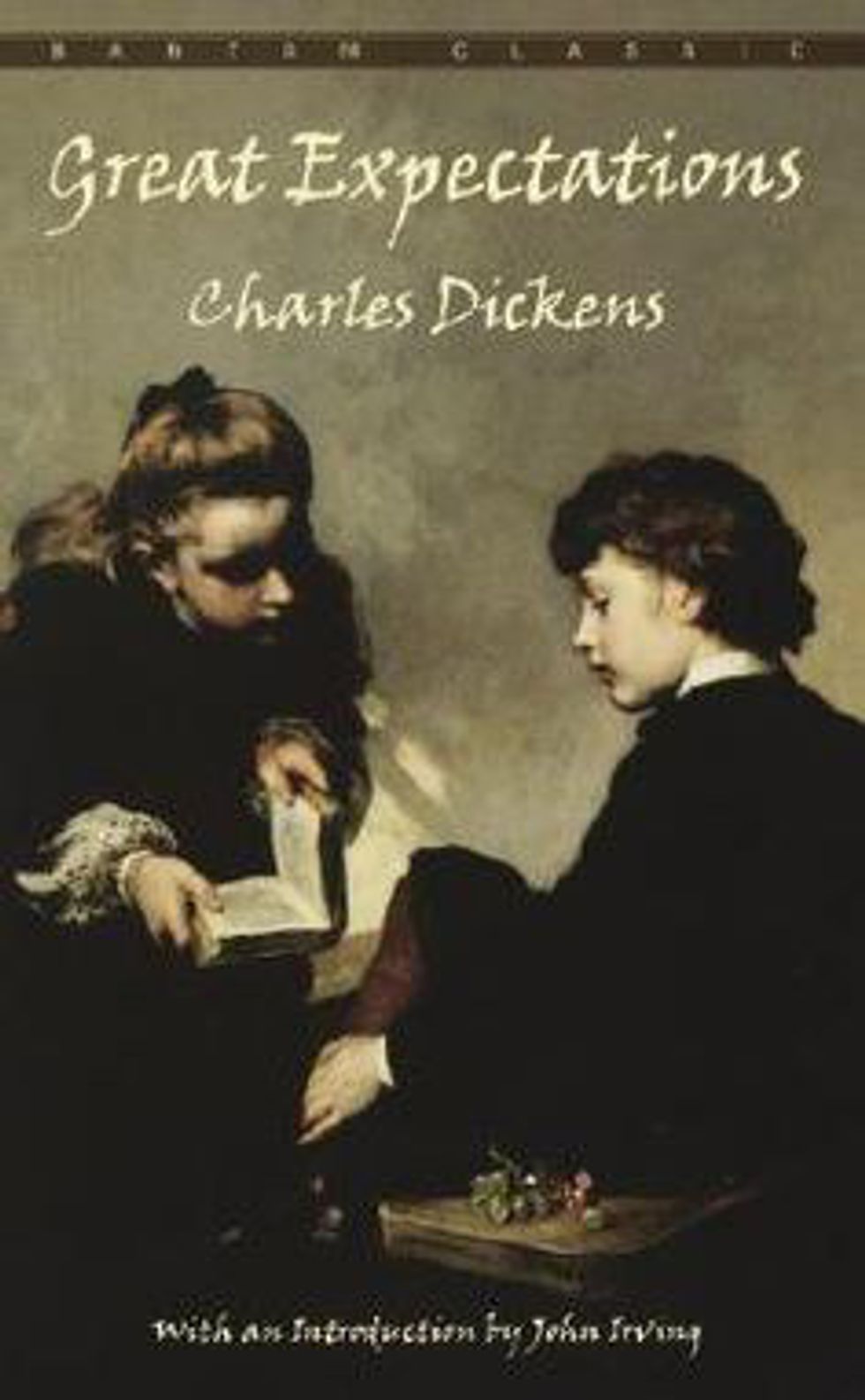
Charles Dickens, believe it or not, was the original celebrity. I'm talking fans screaming and crying in the streets famous- and that was in the 1800s. What no one ever told you was that Charles Dickens? He's a funny guy. Reading one of his books is like getting dragged into a slapstick routine that never really seems to end. In Great Expectations, Dickens merges this style of humor with his signature, incredibly bleak, outlook on the world of Victorian London. The characters in this story are unforgettable, like the apparational Convict, and the demented Ms. Havisham, an old woman whose life stopped (literally and figuratively) the moment she was left at the altar. It's a great book, and will completely hold up to the expectations you given it- pun absolutely intended.
"East of Eden"
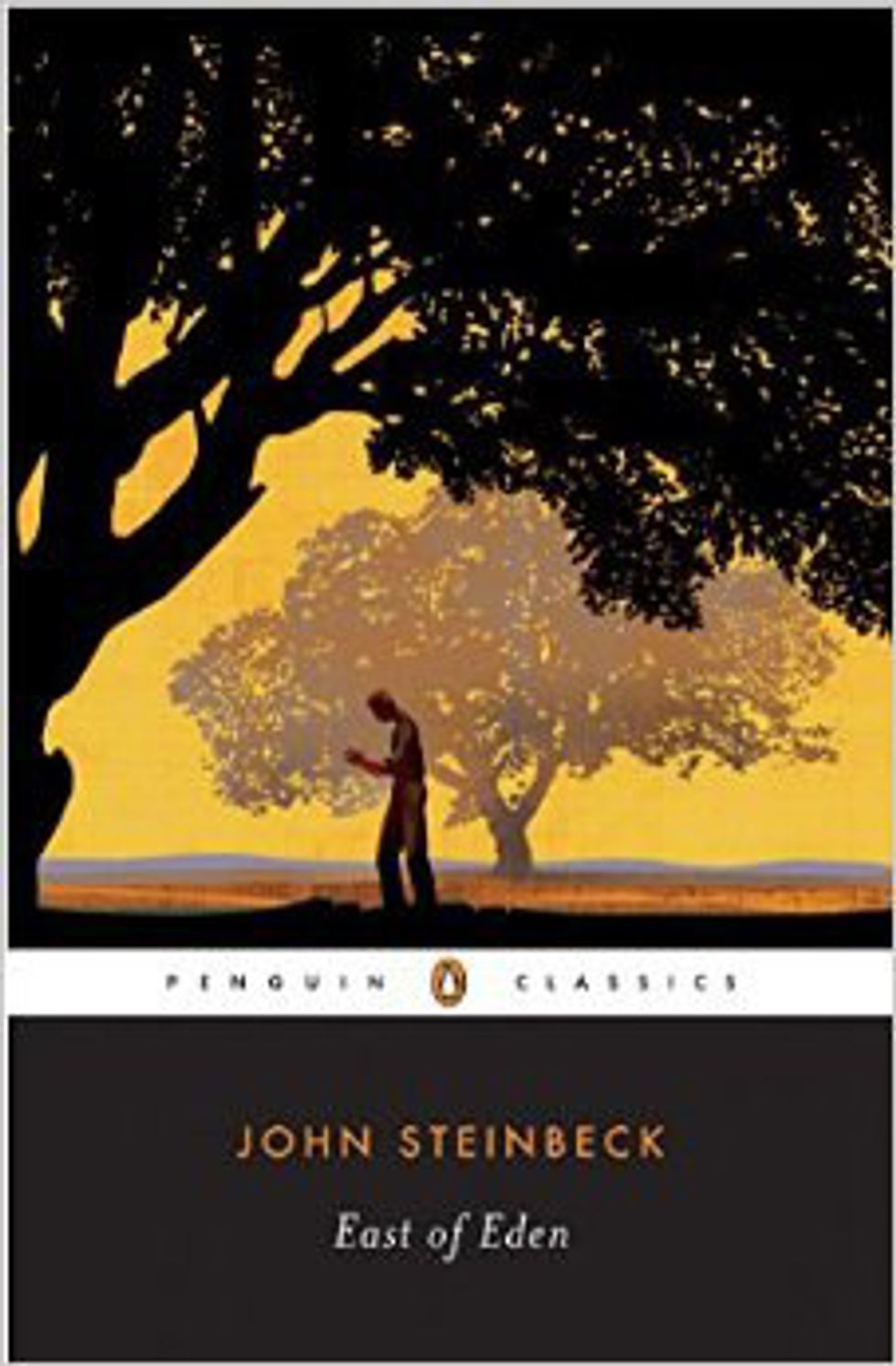
John Steinbeck, the author of this novel, called it "The first book." While that may make him seem kind of full of himself, it's due praise. Once you finish the monolith, which weighs in at just over 600 pages, you'll understand. The story spans three generations of two families- the Trasks and the Hamiltons, all in the belly of the now famous Salinas Valley in California. This is a book that is unlike anything else you've ever read- and there's nothing else to say about it until you do.
"The Great Gatsby"
This is probably the book you're most likely to read since it is definitively the shortest one on this list. People either love or hate Gatsby, but either way, it's an good book to get under your belt. Fitzgerald creates a world where everything, and I mean, everything, is symbolic. The straightforward story is rife with double meanings and unclear definitions, which makes a short, easy read, the academic classic it still is today.
"Catch-22"
Everyone, at some point in their lives, is going to read a novel about World War II. Make it this one. The storyline is broken up and moved around, with scenes in the middle opening the book, and the first scenes of the plot come very close to its end. While it takes some getting used to at first, the story is beautifully and painfully told- and well worth the initial confusion.
"To Kill a Mockingbird"
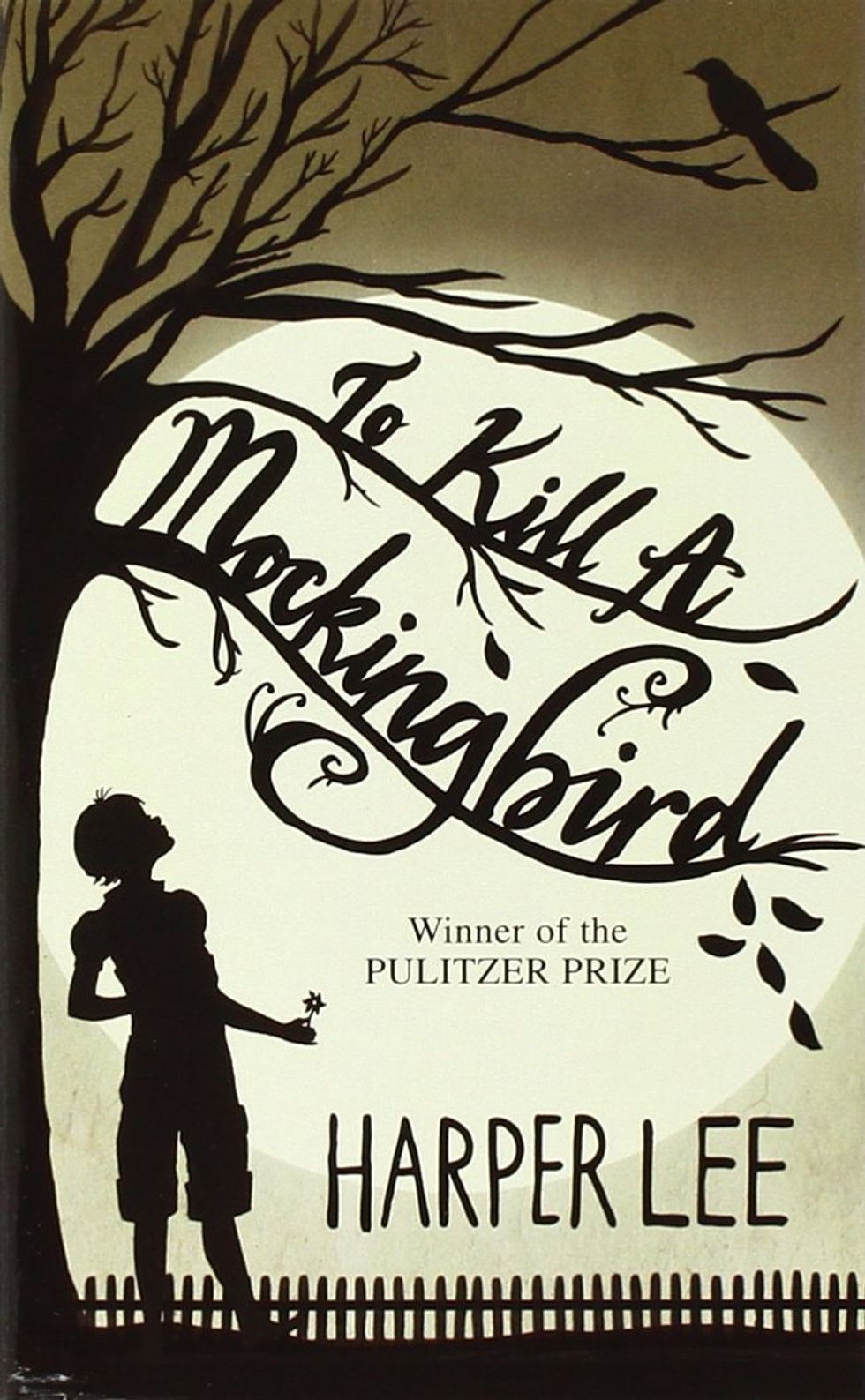
Of course, I mean, of course, this book made the list. Harper Lee's record-smashing novel has been a high school staple since shortly after its debut. Any book that regularly tops the banned list deserves a spot on your bookshelf- and any book with such an engaging narrator and storyline deserves a place in your heart.
















