


One of the most captivating forms of media in the world is television. We all derive much of our news, information, and the ever important pop culture from watching TV. Especially in America, we can’t seem to get enough. Everyone seems to enjoy a particular program, be it a news broadcast, or, more commonly, a show that, like a movie, can captivate and enchant each one of us into a separate reality and fantasy that provides a wonderful escape from the world in which we live in. We build a bond and relationship with the show so much so that that we can love, loathe, and experience a vast amount of emotions. We fall for the characters that make us feel these emotions and we find ourselves emulating the characters (whether that’s good or bad) in an attempt at being part of the false sense of reality that the show puts forth. However, there is always the unfortunate dilemma of a show’s cancellation.
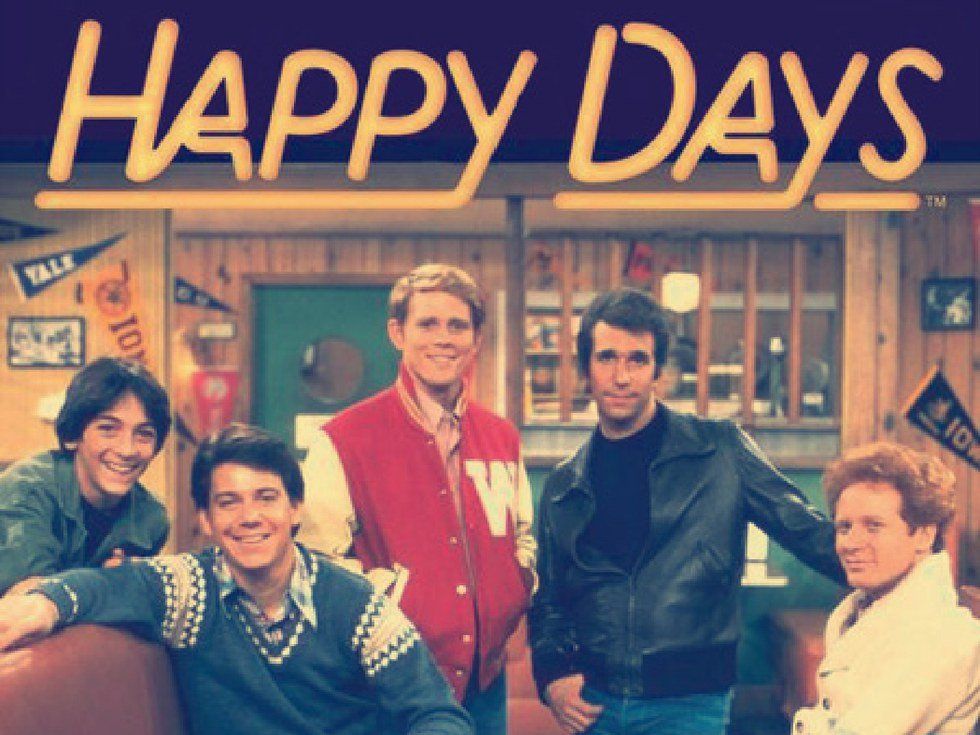
What are we to do? Our beloved has been put to rest and the fantasy world in which we reveled in has vanished. Fortunately, more often than not, we are given closure within the show's finale (with exception to shows like “My So Called Life,” and “Freaks and Geeks.”) Although more seasons may be good news for some, it is usually for the best because just continuing a series for even more seasons takes all that we loved about a show and simply ruins it. Due to a show’s success and popularity some greedy producers of a show want to ride that show’s popularity for as long as they can in order to rake in more cash, dough, Benjamins, and greenbacks. Some obvious examples of shows that have had a tough time saying goodbye like, “That 70’s Show,” “Happy Days,” “The Office,” and “Scrubs;” or still won’t admit it’s time to say goodbye such as, “Family Guy,” “The Simpsons,” and “SpongeBob” have at first received much acclaimed but have had their popularity fizzle out. It’s because there’s only so much one can write for their characters before it becomes redundant.
When the writing gets stale and the feeling of a plot being constantly repeated...that’s when it’s time to call it quits, but when producers refuse to end a show the magic dissipates. That’s when the hyperbole sets in. Characters' individual traits that made them so lovable and interesting become so exaggerated that it makes the realness and tangible nature of the character seem fake and more imaginary. It is the same with the plot, the structure and glue that hold the program together. The plot becomes, for lack of a better term, wacked. It usually seems implausible and dilutes the fantasy world that we longed to be in and our interest fades. Characters do what they normally wouldn’t do and it all just doesn’t make sense. At this point, you wished your show would have ended at the point just before it “jumped the shark.” Sometimes, it’s better to end things at it’s best.
















