
Ever since the 1970s, calories in the average snack have been on the rise. According to an article from livescience.com, snacking accounts for 25% of the average American diet. Yes, this is a large percentage; however, it wouldn't be a problem if the snacks were all healthy. The Centers for Disease Control reported that the average male's diet consisted of 335 calories of added sugar while the average female's diet consisted of 239 calories of added sugar. It was also found that the majority of these added sugars were coming from foods, not beverages! This means that companies have now found ways to sneak in sugar into foods and provide the means for addiction without us really even knowing it (see this article if you're wondering about what I mean by providing the means for addiction). With all of that said, and continuing on the roll of keeping your resolutions, snacking can be the reason you either gain unwanted weight or are able to lose weight. Now here are some ways in which you can lose weight and still have a snack or two at the same time.
1. Be sure that it doesn't include a sugary beverage
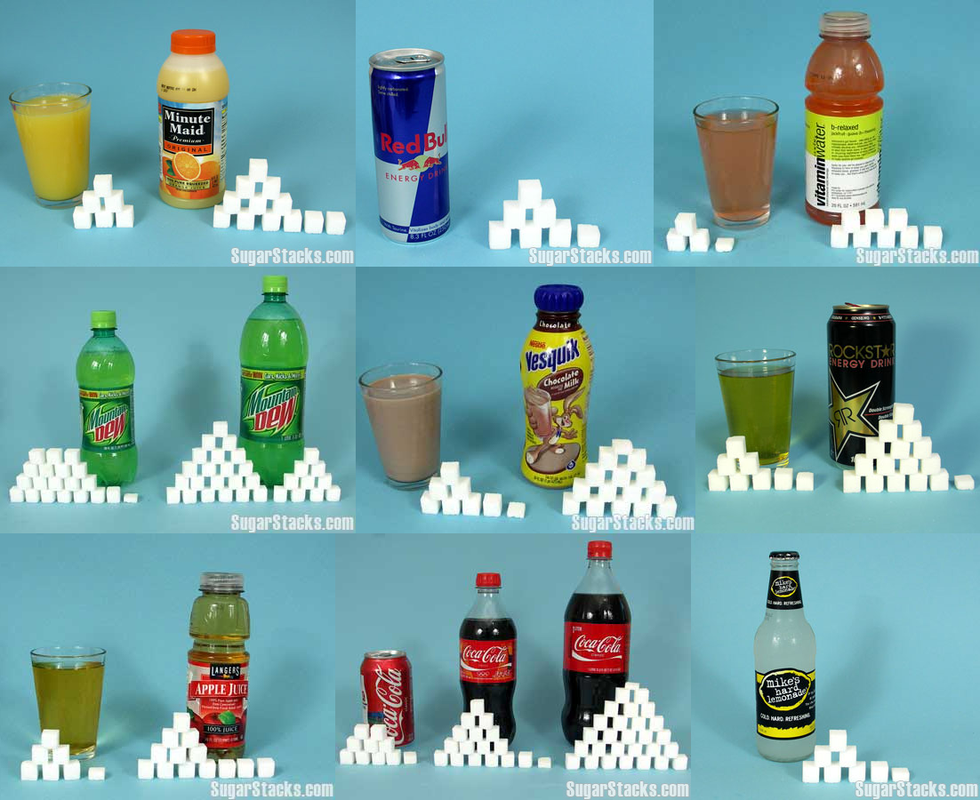
Just one 12 ounce can of Pepsi contains 150 calories and a whopping 41 grams of sugar. In fact, soda is nothing but sugar and a trace of salt. There are no vitamins or minerals. Just something to think about next time you reach for a can, or more likely, a bottle of it. A tricky drink that no one thinks about are fruit juices. Juice sounds healthy but it's not most of the time. In fact, the American Academy of Pediatrics recommends that parents don't give kids juice because "it doesn't offer any more nutritional value than whole fruit." Whole fruit provides more nutrients for less calories per serving and more fiber as well. One serving of Simply Orange orange juice contains 110 calories and 23 grams of sugar while one average orange contains 80 calories, more potassium, more phytochemicals, 14 grams of sugar, and more vitamin C. I always recommend drinking green tea or coffee (due to their fat-burning capabilities) and adding a bit of stevia or raw honey (because of it's health contributions) (I should note that honey does contain natural sugars while stevia is calorie free).
2. Include at least one fruit or vegetable (but be wary of any dips)
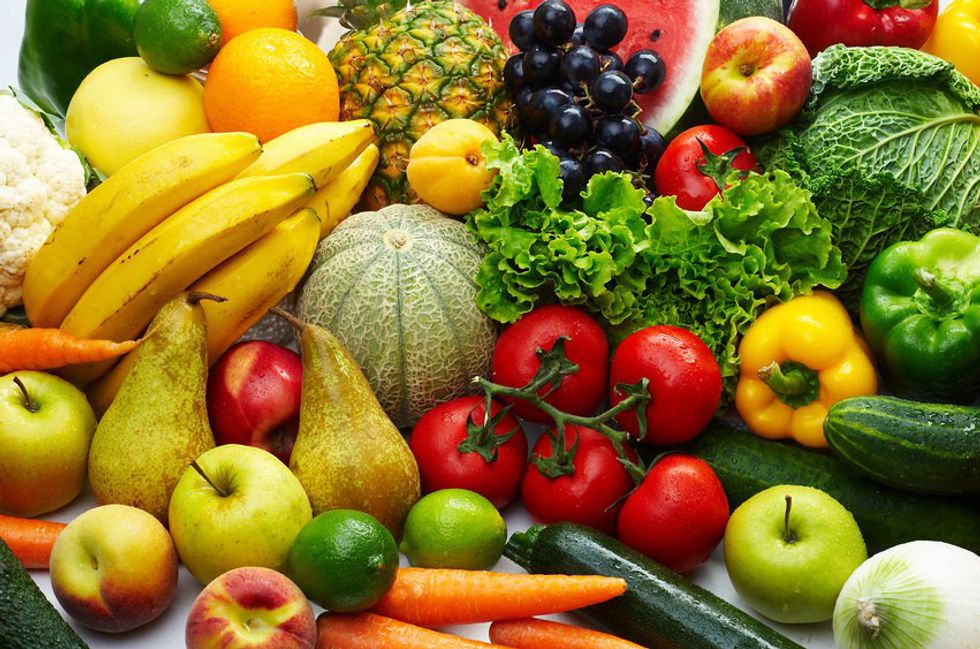
This is definitely one of the most neglected parts of the common snack, unless you count potato chips as a vegetable (I don't, but some people do). Fruits and vegetables contain phytochemicals and antioxidants, which help your body fight off sicknesses and stay disease-free! They are also low in calories (if you don't go overboard on the serving size), which helps you stay leaner. Fruits and vegetables are also high in water content and fiber, which I will discuss in the next couple of points. Although fruits and vegetables are healthy, you must be aware of what you are dipping them in. Apples are often accompanied by caramel and celery and carrots are often paired with ranch (no, the "negative calories" in celery don't cancel out the ranch). Instead of a sugar-laden or high-in-unhealthy-fat dip, reach for some hummus or peanut butter!
3. Your snack should be relatively high in fiber
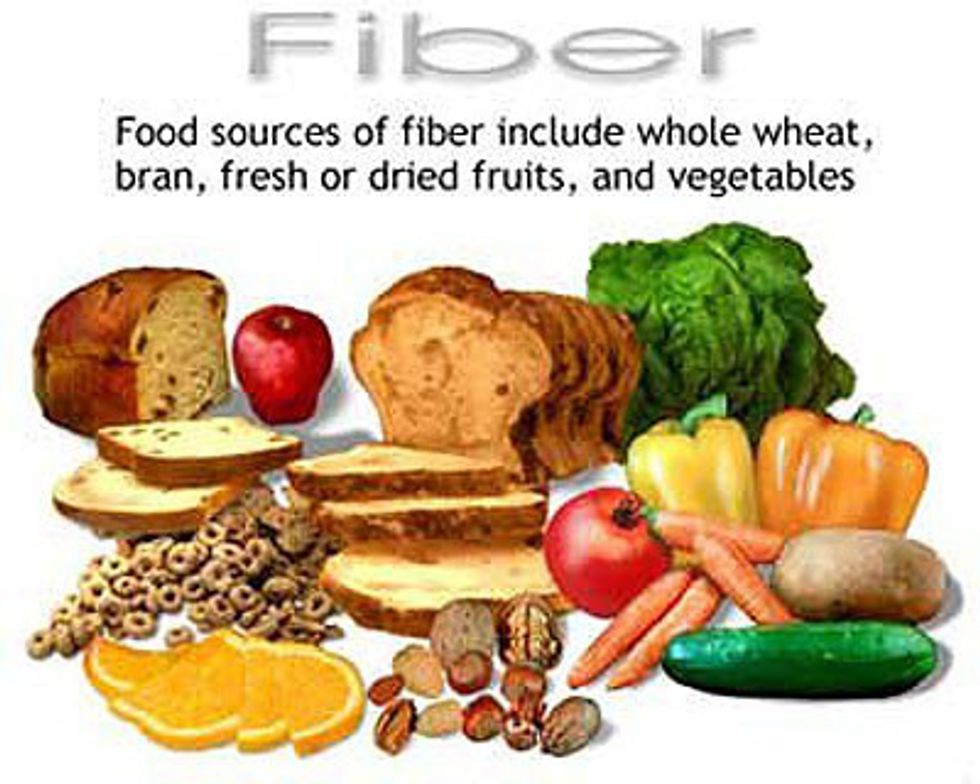
Fiber has a couple benefits. The first being that it's really good for digestive health. Fiber helps keep your bowel movement regular. The second being that soluble fiber (found in oats, nuts and seeds, beans, pears, apples, blueberries, carrots, spinach, and broccoli) helps clean out the unhealthy cholesterol in your body. Last of all, fiber helps keep you fuller longer. It takes a while for fiber to pass through your stomach and intestines, so it's great to have in your snack to tide you over until your next meal. Just be sure to slowly incorporate more fiber into your diet, don't add a lot all at once! Shoot for your snack to contain at least 5 grams of fiber.
4. Drink at least 1 glass of water with your snack

Water is just good for you in general (and calorie free), your body operates way better when you're properly hydrated. Water also helps you feel fuller, longer; especially in combination with fiber. Fiber absorbs water into it while it's in the digestive tract, so fiber and water go really well together. Not enough water, when paired with a lot of fiber, can result in constipation. Do yourself a favor and hydrate up!
5. Make sure your snack consists of protein

Protein is a key nutrient for everyone. You don't need to consume a ton of it (contrary to popular belief) but your diet should consist of it. It's very important for immune function, hormone production, and muscle building and repair. On top of these, protein also helps you feel fuller, longer. A chicken breast or block of tofu isn't necessary with every snack because a lot of other foods contain protein, such as a peanut butter sandwich on whole wheat bread or carrots and hummus with a handful of almonds.