


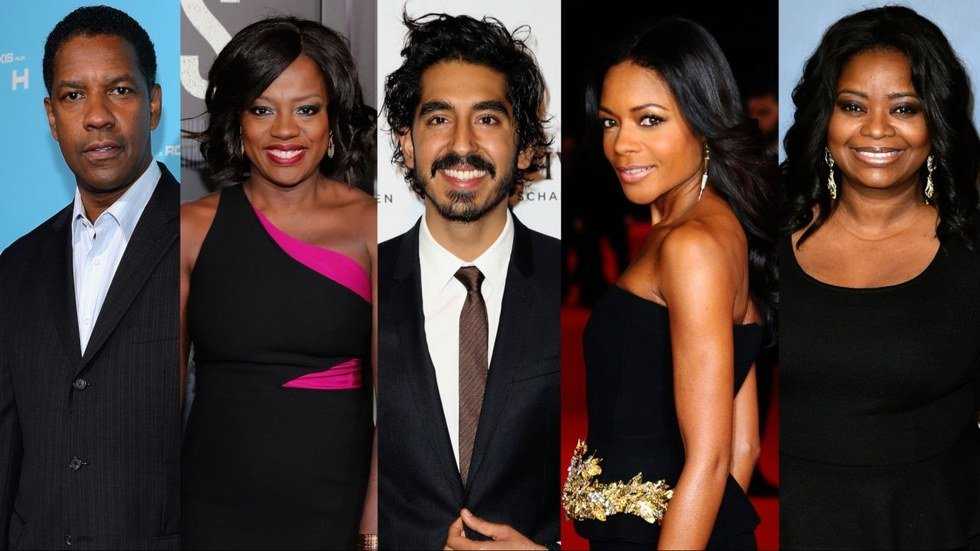
Two years ago, the Academy of Motion Picture Arts and Sciences unintentionally spawned a powerful cultural movement that led to an abundance of prominent entertainment figures speaking out against lack of diversity in Hollywood. The Academy’s 20 acting nominees were all white, leaving little room for racial inclusiveness. One year later, they did the same thing, this time creating a much more outrageous response across the nation, even prompting a trending Twitter hashtag aptly coined #OscarsSoWhite. This award season, the Academy nominated seven men and women of color in the respective acting categories, making history for what will eventually be the most colorful Oscars ceremony of all time.
But, there is a question that immediately comes to mind, regardless of whether or not it should: Did the Academy nominate so many actors of color because they felt like they had to? The answer is no, which is both relieving and immensely important. All seven actors included in this Ceremony-Denzel Washington, Mahershala Ali, Dev Patel, Ruth Negga, Viola Davis, Naomie Harris and Octavia Spencer-all gave convincing and brilliant performances in their respective roles. Then again, so did the 40 Caucasian acting nominees from the previous two years of cinema. So what exactly does this mean?
It means the controversy surrounding Hollywood the past two years wasn’t aimed at the right people. For example, it’s difficult to say that actors such as Leonardo DiCaprio, Eddie Redmayne and Brie Larson didn’t deserve awards for their respective roles, because it’s simply untrue. They each gave outstanding performances, and should not be blamed, nor should the academy be blamed for nominating them. Their acting merit outweighs any accusations of the lack of cultural diversity. The problem wasn’t The Academy nominating a completely white group of actors; the problem was the lack of opportunity for minority actors in mainstream films, leaving Tinseltown as the deserving scapegoat.
This is the year that all changes. The before mentioned colored actors not only gave excellent performances, but gave them in excellent films that illuminated either biographical or fictional minority characters. “Fences” both directed by and starring Denzel Washington, tells the story of an African-American baseball player. “Moonlight” details the struggle of a gay black man growing up in Miami, told through three different actors playing the same character. “Hidden Figures” is a biographical drama about three black female mathematicians working for NASA during the 1960’s. Last but not least, “Lion” reinvigorates the career of “Slumdog Millionaire” wunderkind Dev Patel, who this time plays a grown up Indian man looking for his lost mother. All four of these films are nominated for Best Picture, and each feature at least one actor of color nominated for their role.
When the Oscars roll around this February, more diversity will be visible than ever before, and that matters. Rather than dwelling in the agony of #OscarsSoWhite, artists of all races, religions and ethnicities will celebrate art in a community cherishing diversity. And that is the way it should be.

















