As a preface, I have never been an overly religious person. I never bit at the nails to get to church on a Sunday; I never got giddy at the concept of attending Sunday school. But with that said, I haven't an issue with religion nor religious practice: as long as your beliefs do not attack the lives of others, nor scientific discoveries, I tend to uphold a "live and let live" mentality when it comes to religion.
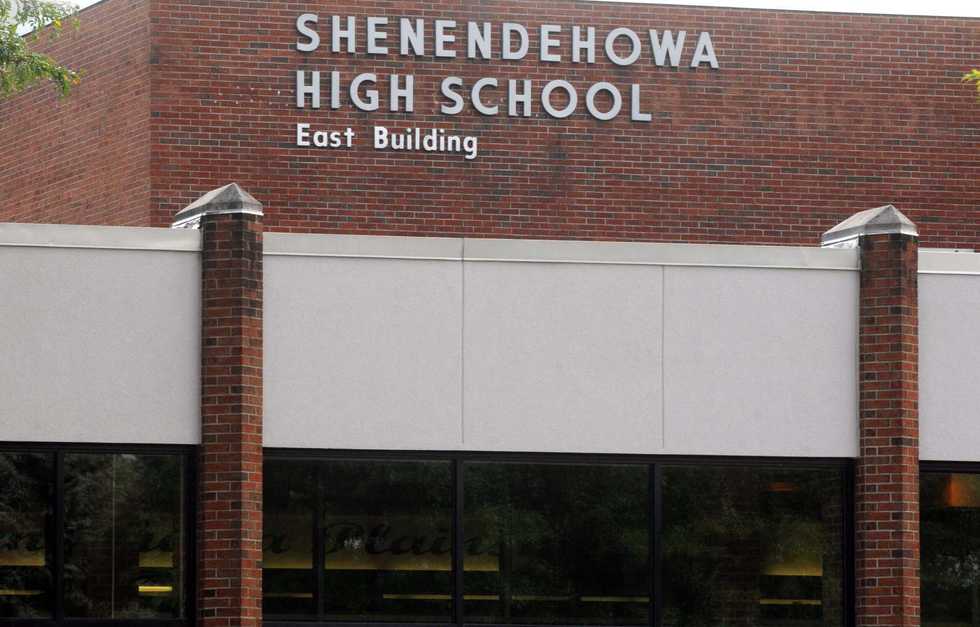
Shenendehowa High School, located in Upstate New York, has recently come under fire after announcing that, following the requests of students, the high school would be designating classrooms for religious students so that they can carry out their prayers without disrupting the flow of academia. This has come to fruition following the requests of Muslim students, who inquired about dedicating a space on school grounds to fulfill their required prayers during the month of Ramadan.
People were quick to vocalize their outrage at the announcement on various social media outlets, such as Twitter and Facebook. Many individuals claimed that Shenendehowa's decision to authorize the room's use for prayer as "an attack on religion," especially against Christianity. Other individuals claimed that this goes against the practice of separating church and state, insisting that many schools have had to remove bits of Christianity so as to keep with the practice. Finally, individuals touted that the school district's choice to listen to their Muslim students is an act of discrimination against students who practice other religions--some said that they should "sue for discrimination," because they wouldn't be allowed to use the prayer room. But frankly, many of these stances are either misinformed or blatantly ignorant.
To the individuals who proclaim that this is an "attack on religion": how, necessarily, is a school giving Muslims students a place to pray without disturbing others an "attack on religion"? Considering that many school districts serve fish on Friday during the season of Lent, and public schools give days off for major religious observations (examples being Yom Kippur, Easter, and Christmas), it seems like schools are doing what they can to accommodate a society with many religious backgrounds. And providing students a place to worship during the most prayer-rigorous time of the year--which they aren't given even a single day off for, not counting those coinciding with other holidays--is the least that the school district can do to accommodate Muslim students celebrating Ramadan.
To the individuals arguing on behalf of separation of church and state: before continuing onward, please recite to yourself the Pledge of Allegiance. If done correctly, you should have recited the phrase "One nation, under God". While students are not obligated by law or otherwise to recite the Pledge, the point stands that a vast majority of American schools begin their school day with a recitation of the Pledge of Allegiance over a PA speaker--and therefore, the day begins with a mention of the highest character of the Christian faith. But even then, it goes without saying that many school districts have punished students for ignoring or modifying the Pledge to as to fit their own beliefs. So to those of you in this category, I would like to ask you again: how far have we really gotten in separating church and state?
And to those characters proclaiming that this prayer room is an act of discrimination against other religions... Well, where do we begin with you? Let's start with the Equal Access Act of 1984, which gives all extracurricular clubs the legal right to exist. And yes, this does include religious clubs, of which many exist in high schools across the United States! So if you would like to found a Bible study group at your high school, then you have every legal right to do so.
But isn't having a prayer room designated to one religion an act of discrimination? Well, yes--but that isn't what's happening at Shenendehowa. A Shen spokesperson has gone on record, stating that the school would accommodate students of any religion who wish to utilize the prayer room for their religious purposes. So all a student has to do is request permission to use the room and, just like that, they are granted the same accommodation that these Muslim students are given. No discrimination--just a matter of speaking up and asking for permission.
At the end of the day, religious students made a request for a dedicated prayer room, which would benefit the religious students of their school district who desire to use it. This request was granted. Nobody is forcing non-religious students to pray; nobody is forcing religious students to pray in the style of another religion. So as it stands, there really shouldn't be a problem, and it feels like people are just nitpicking current events to find problems. But if we can just step back, and take a deep breath, and realize that this decision will not impact very many of us--unless, of course, you are a religious student attending Shenendehowa High School. Otherwise, it's best to not get yourself too worked up over something like this, because your religion is not at risk of attack with the establishment of a prayer room.