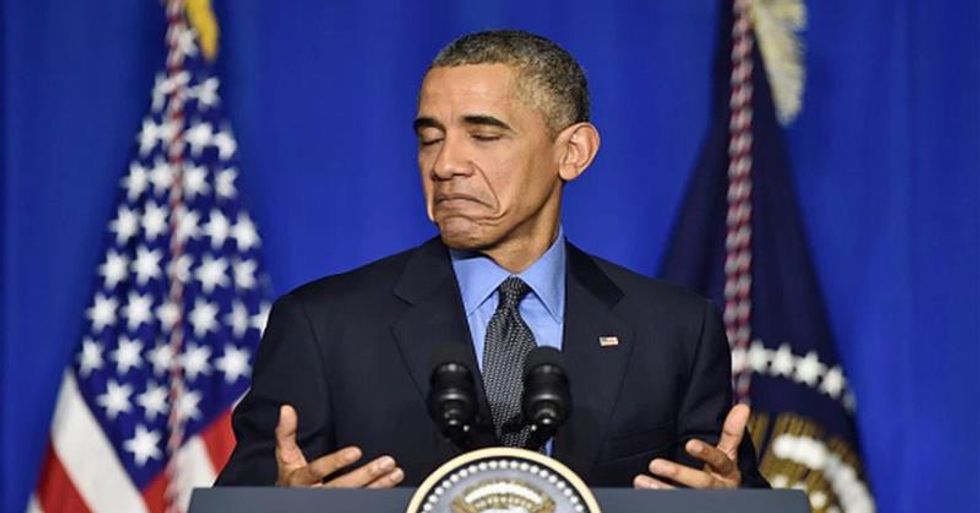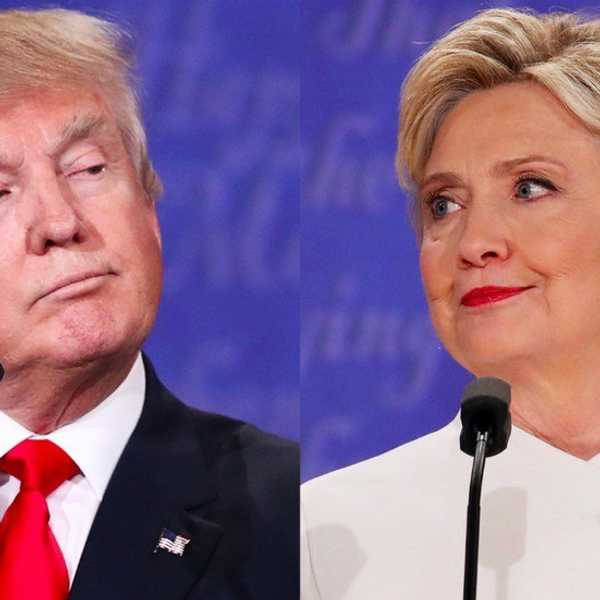

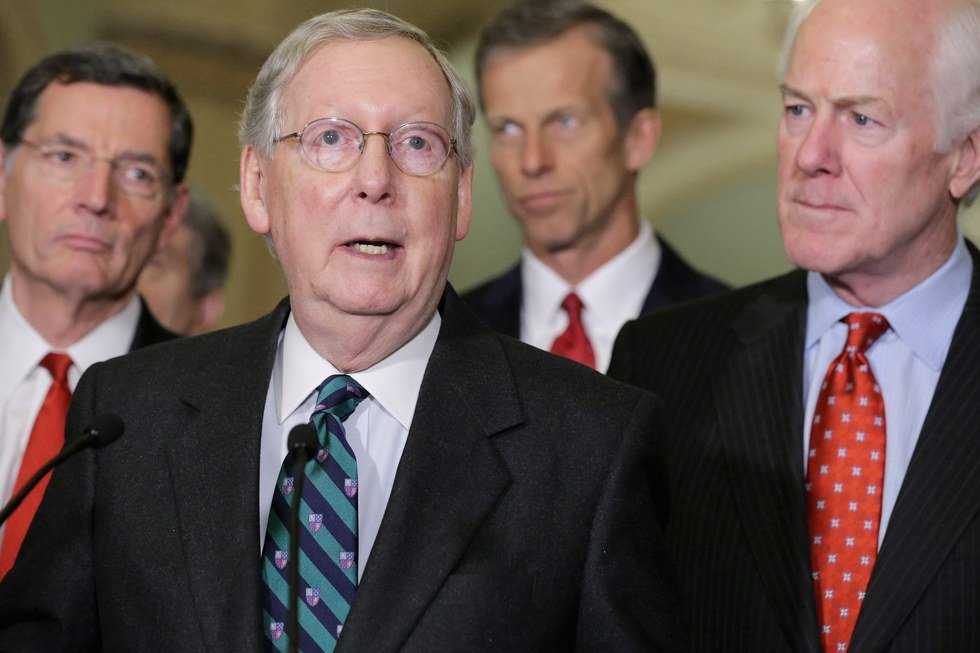
“It is my view that if a Supreme Court Justice resigns tomorrow or within the next several weeks, or resigns at the end of the summer, President Bush should consider following the practice of the majority of his predecessors and not name a nominee until after the November election is completed.”
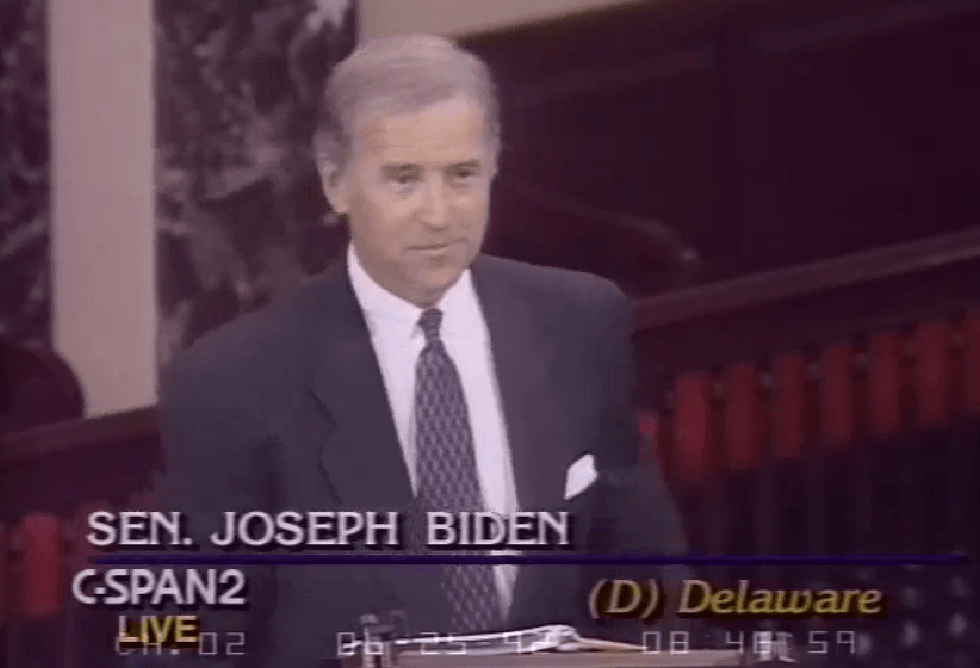
These were the words so infamously uttered on the Senate floor by then-Senator from Delaware Joseph Biden. The question was this: If a vacancy opens up on the Supreme Court during a Presidential election, what should be done? Should we seek to replace them, or wait until the election is over, the votes are counted, and our next president is decided? Senator Biden clearly and unequivocally urged the Senate to delay its decision over a potential nominee until the fuss and bluster of the election had ended.
Yet when Senate Republicans state the exact same opinion, a full-fledged assault is levied against them, with charges of obstructionism, failure to do their job and political jockeying rather than fulfilling the mandate of the Constitution coming from left, and in some cases, right.
But Arizona Senator Jeff Flake has cited precedence, or lack thereof, in the Senate’s decision to refuse any Obama nominee this year:
“One would have to go back more than a century to find a scenario where a president’s nominee for the Supreme Court was confirmed by the opposition party in the Senate when the vacancy occurred during an election year. I'm not about to break new ground in the Senate, particularly when any nominee could so drastically shift the balance of the court.”
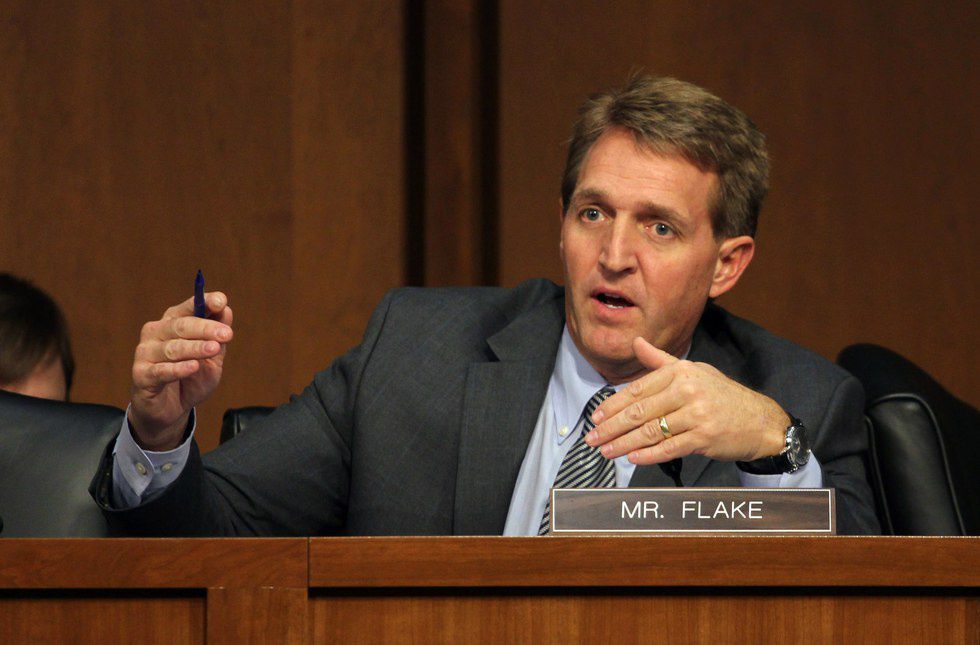
Surprisingly, the views of Senator Flake and Senator Biden are in line with each other. Not only are they in line, they are echoed by a plethora of Democratic Senate powerhouses, such as Minority Leader Harry Reid, Senate Democrat Conference Vice-Chairman Chuck Schumer and Senate Judiciary Committee Ranking Member Patrick Leahy.
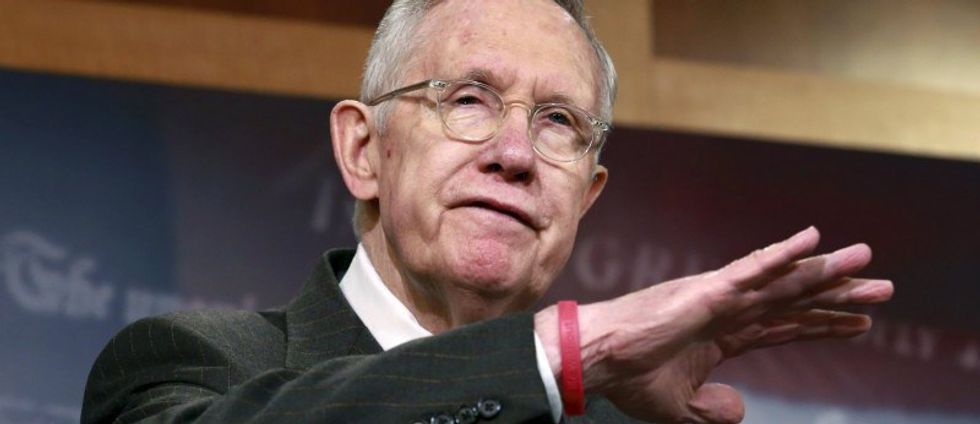
Now, as the balance has shifted and Democrats have been given the power to nominate the next Supreme Court Justice, their tone has shifted. They have transitioned from a view that looks kindly on this so-called “obstructionism” to one that helps them to pick up a few seats in the November elections.
Now to be clear, precedent isn’t always binding. It is simply a measuring stick by which we can judge the legality as well as the ethicality of certain decisions. So, there is the possibility of Democrats simply changing their views over time, is there not?
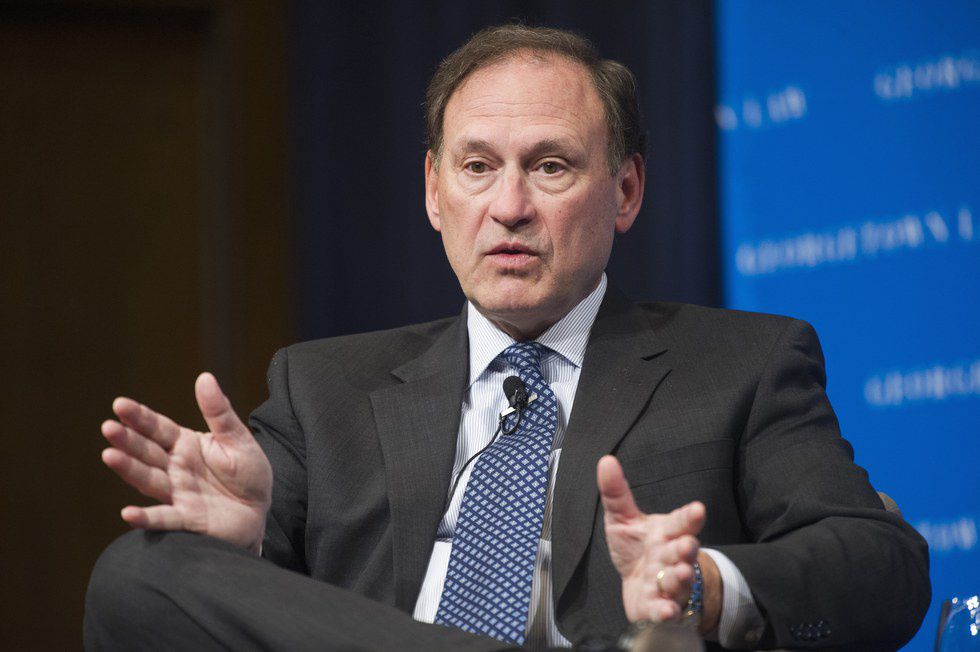
I highly doubt it. Even if they had changed their minds over the course of the last nine years, they do not currently hold the public support they claim to. The people of the United States are just as divided as the Senate when it comes to addressing the question of whether or not an Obama nominee should be confirmed. Furthermore, Justice Samuel Alito, a sitting member of the US Supreme Court, has stated to the public that the eight individuals currently sitting on the bench are more than capable of handling any constitutional questions they currently face until a nominee is confirmed.
When one looks beyond the chest beating and the political games, it is clear that the question of whether or not the Senate has a responsibility to confirm an Obama nominee is met with a resounding, fact-based no. It is time for the Democrats in government and in the electorate to step back, take a look at the facts, and accept them for what they are. Until then, a Republican Senate standing in the way of any Obama nominee is nothing to shrug at