
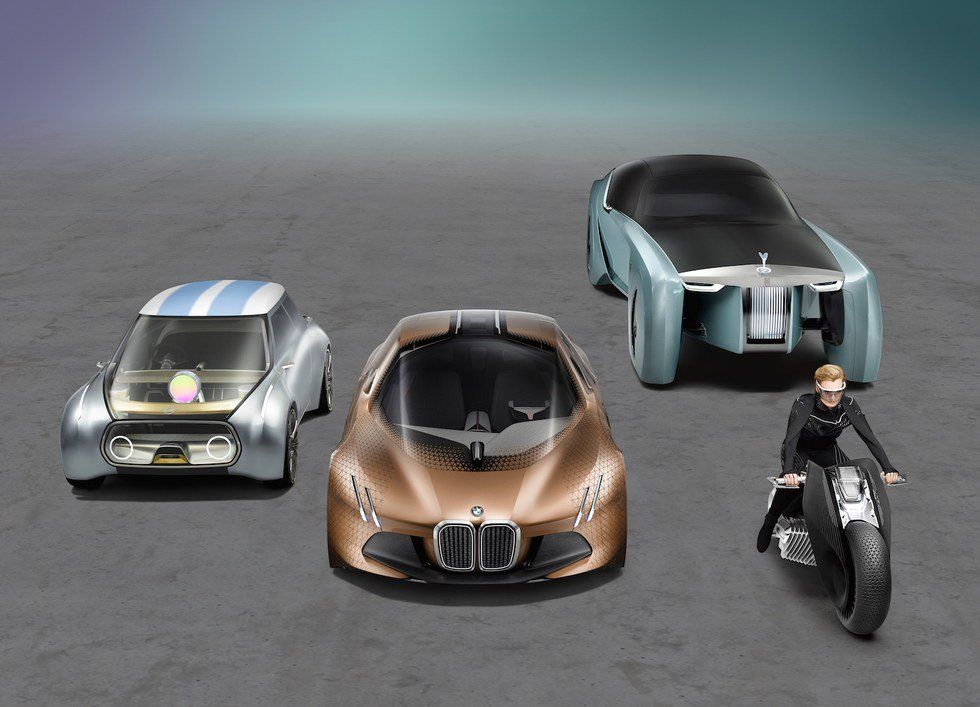
The concept of totally automated personal transportation is one that has historically been seen as a landmark of “the future”. We can see this in depictions of hands-free vehicles throughout the ages: from Aladdin to The Jetsons, we have always had a fascination with getting from Point A to Point B without lifting a finger. For many, the idea of a self-driving car is one that excites and evokes the feeling of witnessing the next great technological landmark; with Elon Musk or Uber’s Travis Kalanick playing the role of innovator. When put into practice, however, a commercialized industry of autonomous cars fits very poorly into the current economic climate.
Aside from being a fairly uncreative solution to an issue that plagues nearly all of us, the concept of these “robot cars” has many flaws. The most glaring issue for this emerging trend is procedure in the case of damages. What happens in the event of the accident? While it’s true to believe that the current technology available may be more apt at collision avoidance than the average human, there is still reason to worry. To start, adjust to context and environment is something that is integral to the act of driving. We humans are (mostly) reasonable beings who know how to adjust our behavior and actions based upon context, and this is a trait that the current incarnation of an automated would lack severely. To illustrate this point, we need to honestly asses our own driving habits. We’d all be lying if we said we have never sped, ran a red light, or broken any other sort of a traffic law. Do we know that these actions are wrong and dangerous? Of course, we do; but it’s a sacrifice that all of us are willing to make in order to live life at the pace that we want to. We allow ourselves to be put in potentially dangerous situations because we know it’s the price we pay for sleeping in late, watching one more episode, or staying just ten more minutes. However, breaking the rules of the road is not always a result of indulgence; there are also situations wherein we universally agree that traffic laws are to be mostly ignored. It’s fairly common for Highway Patrollers to let off traffic offenders with a warning, provided that they have an adequate emergency they’re attending to. This presents an ethical dilemma for autonomous cars, as well. Should personal autonomous vehicles be allowed to go above the speed limit? What about other traffic codes? Should automated emergency vehicles be allowed to sidestep the law? These are very real issues that have no legal precedent, and as such have no clearly defined answer.
The concept of autonomous cars also faces ethical roadblocks in relation to payment for damages. When an automotive collision occurs that injuries one party more severely than the other, the injured party will often sue the other driver, taking him to court in order to help pay for damages or injuries caused. The question arises: what is an injured party to do if they experience a severe automobile accent with a self-driving car? The most straightforward solution is to engage in legal action with the company who makes the cars. However, one must consider what exactly they’re going up against in the courtroom. Amazon, Uber, or any other tech company with billions of dollars at their disposal are much likelier to have an expensive, experienced legal team who know how to work the framework of the legal system; especially when compared to the kinds of attorneys that private citizens can afford. This will only hurt the consumer, and lead to less retribution for those injured of the families of those injured.
Advanced travel technologies always face an uphill battle when it comes to finding a way to integrate their products to the current cultural climate. Certain bits of regulation and legislation now seem shortsighted and almost outdated when considering how close the reality of personal automated transport really is. As a result, lawmakers and industry influencers need to be able to adjust quickly to the perpetual advancement of technology. We, as consumers, need to prepare ourselves as well. Automating vehicles could lead to the loss of many already-exploitive jobs than are taken up by those living with less economic freedom. From taxis, to delivery driving, to ridesharing, many of the most disenfranchised citizens turn to these industries with low entrance requirements in order to make ends meet. This is an issue that our society will continue to struggle with as technology improves at an ever-increasing rate. Many subscribe to the belief that the elimination of these low skill jobs will bring about an equal output of jobs focused on creating and maintaining the automated machines. However, the issues with the blind faith in the creation of these high-skilled jobs is just that. They are high-skilled. They contain many barriers to entry, and usually require access to a certain amount of education, wealth, and affluence that, frankly, many Americans do not have the means to access. We all love the ease and simplicity of these advancements, but what is to become of the low-level workers who suffer? What happens to them when, in the future, even more jobs become automated? Is there even a realistic answer to this problem within the current economic system? Time will tell; but as we approach a head-on collision with the future, we have to wonder if there is a solution, or if this is just an inherent flaw in capitalism.