
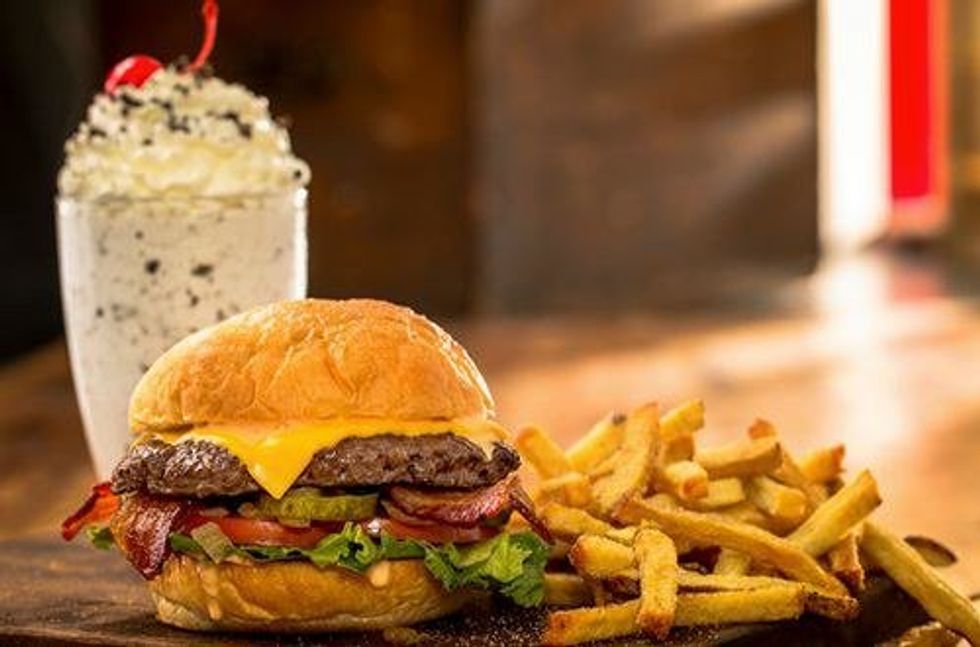
Slurp, slurp, sluuuurp. You’ve gotten as much chocolate milkshake from the bottom of the glass as your straw will allow. Now it’s time to sit back and let it melt its way around the burger in your belly. It’s the all-American meal, the one that’s sold from the most upscale of restaurants all the way down to McDonald's. You know it’s not that good for you, but you just can’t get enough of the stylish burger with a side of subsidized fries and a cold glass of chocolate baby cow juice to wash it all down. Neither can I. It’s my life, right? Let me live! However...what if the consequences of our consumption do not only affect us? What if they have secondhand effects?
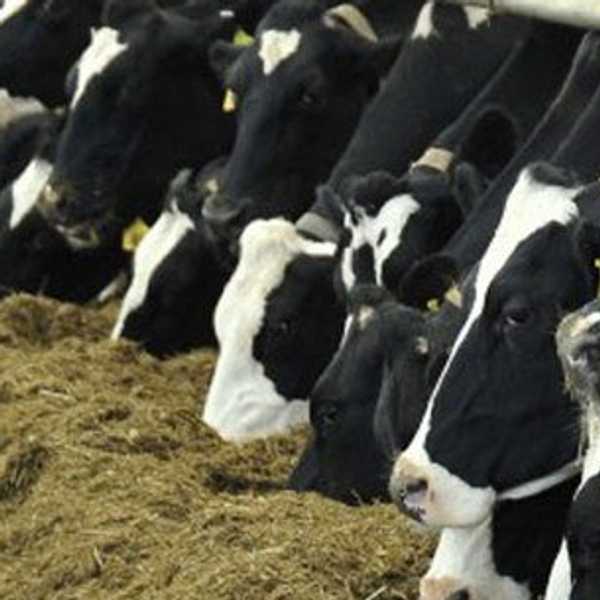
With the release of the documentary "Cowspiracy" in 2014, a lot of controversy has arisen regarding the degree to which the agriculture industry negatively impacts the environment. While "Cowspiracy" argues that the industry accounts for a gigantic proportion of carbon emissions, some argue that this is not necessarily the case. However, even if the agriculture industry is not a serious threat to our environment (which is probably unlikely with the way that it is currently being run), it is certainly a threat to our income. Agricultural subsidies in the United States amount to about $20 billion per year. Thus, our tax dollars go toward encouraging farmers to rely on the government in order to stay in business. There are lots of other wide-reaching food issues that may be tackled as well, such as the use of GMOs, the morality of marketing tactics, food waste, or the employment of growth hormones and antibiotics.
OK, so the food industry is messed up. We kinda knew that already. My point is not that there are problems with our food; it is that we contribute to the problems that affect everyone by making the wrong choices. You know that scene in the movie where the father throws himself in front of the gun to take a bullet for his son? Even if we don’t care about ourselves enough to change what we eat, we care about someone else enough to hope that they don’t get lung cancer from breathing in the air pollution from factory farms. We care about someone else enough to hope that their financial burden of taxes goes toward something more meaningful than monopolizing corn. We care enough about someone to hope that our own unhealthy eating habits are not adopted and conceded to poor health for the ones that we love.
Sure, a lot of food issues are deep-seated and will take a lot of lifestyle changes to solve; however, we are fortunate enough to live in a place where our voices are heard. From carbon emissions to the overuse of land to the subsidies of our crops, every bite counts as a vote for what we believe is right or wrong. Do your research and make your vote count. We’ve seen secondhand health damage before. “It’s all just a little bit[e] of history repeating."