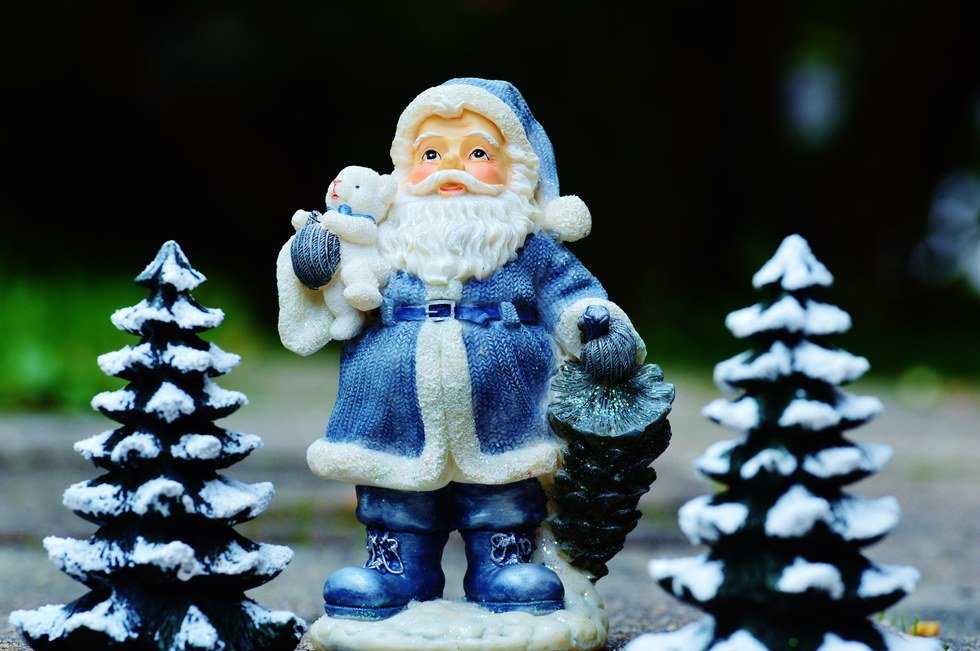
Every Christmas Eve, a magical bearded man shimmies down the chimney of every house in the world to deliver presents - or at least that's what most children around the world believe until they get older and discover the truth. There have been controversies about the morality of telling children about the legend of Santa Claus. Some believe it is lying to children, and while technically it is a lie (but we can't be completely sure he doesn't exist) Santa has also been viewed as an archetype representing selfless giving and kindness - great qualities for children to have in mind. Believing in Santa Claus is a lot like having an imaginary friend, and there's no harm in those. Santa is an extension of the child imagination - not just a lie.
On the anti-Santa side of this matter, once children find out that Santa was a lie, they might wonder what else was a lie. However, common sense develops as children get older, and they see that the odds of Santa Claus and other fictional holiday characters existing is highly improbable. Honestly, when I found out that Santa wasn't real, I was more like "Aha! I knew it!" because being at the wise age of 9, I was becoming skeptical of the jolly old fellow. It was more of a moment of clearing all my confusion about how Santa does what he does. I didn't think that my parents lied about everything they had ever told me just because they didn't tell me Santa wasn't real until I found out on my own. It was like a coming of age.
I don't believe that Santa is a bad thing for children to believe in. We know now that Santa doesn't come deliver toys, but believing in Santa Claus is a fun and whimsical part of being a kid. It stretches their imagination. When kids are around the elementary school age (and perhaps younger) they know that the magical things Santa does isn't something humans could do, but they have faith that Santa can because he's magical. Santa doesn't have to be perceived as a lie; he can be a whimsical extension of childhood imagination.