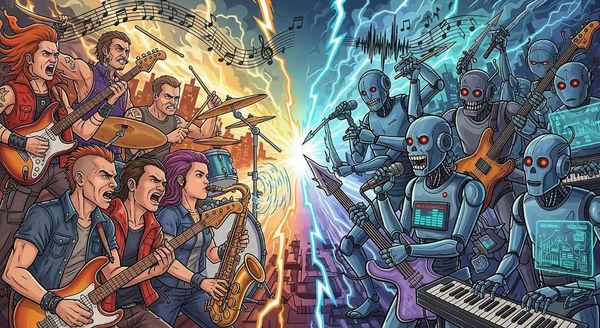

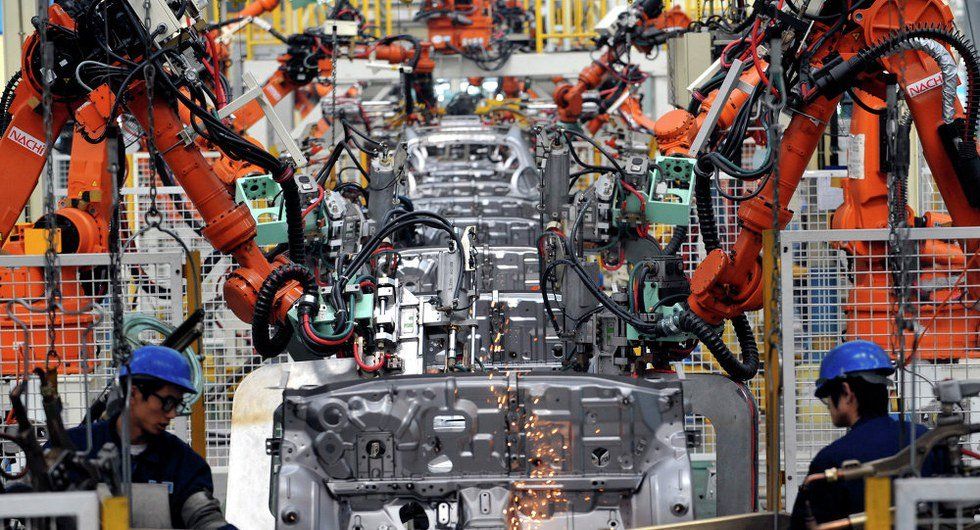
There are many ethical issues surrounding the creation of robots, and debates continue over whether or not it is morally sound to create a sapient machine only to enslave it, but that all seems unimportant right now. We have nothing that even approaches true Artificial Intelligence yet, so why should anyone be concerned about it? But there's another major question surrounding the field of robotics, and one that has much more immediate consequences: the human element, and what robots can do for us.
Robots aren't quite smart enough to rebel against their masters (yet), but they're becoming more and more refined, and have been for decades. And as they become more refined, they are beginning to make appearances in a wider and wider variety of industries. This year marks the 55th anniversary of the first implementation of an automated robot on a factory floor, and within the last month an artificial intelligence was hired by a law firm for the very first time.
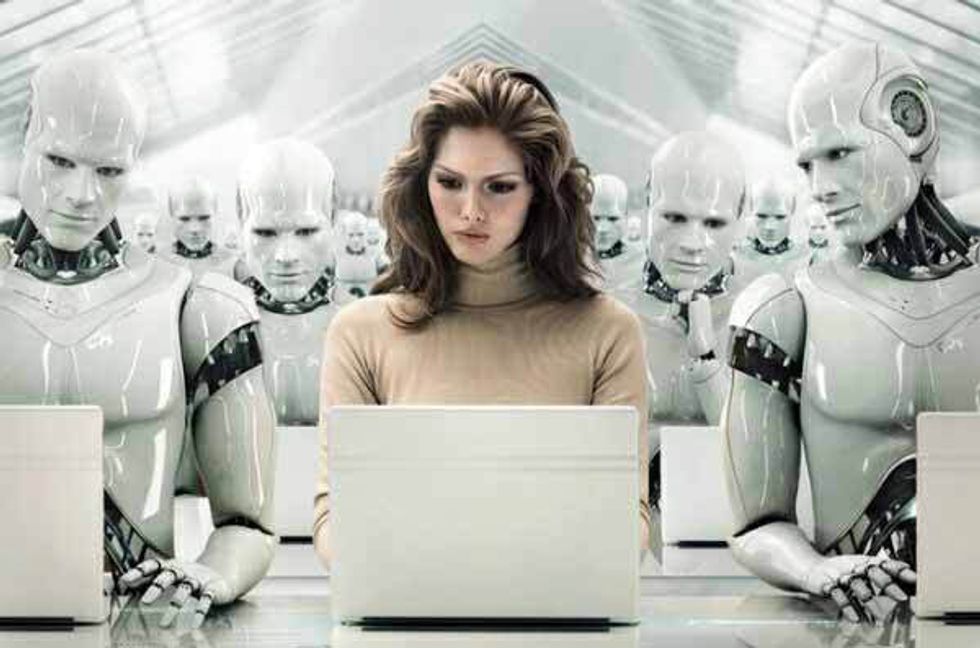
That's all well and good, except that these robots are often taking jobs that were once performed by human beings, and putting us out of work. This year, the Taiwanese company Foxconn laid off 60,000 individuals as their jobs were all replaced by new and improved "smart robots"- and a representative has warned that "other companies are likely to follow suit."
It shouldn't be surprising- after all, robots are, in many ways, a corporation's dreams come true. They don't need sleep, they don't require pay, they don't demand a safe work environment. They won't strike for fair pay, they can't unionize, and if they're killed in an industrial accident nobody cares. Any company, and especially those in the business of manufacturing or refinement, would be able to save quite a bit of money by replacing human workers with robots.
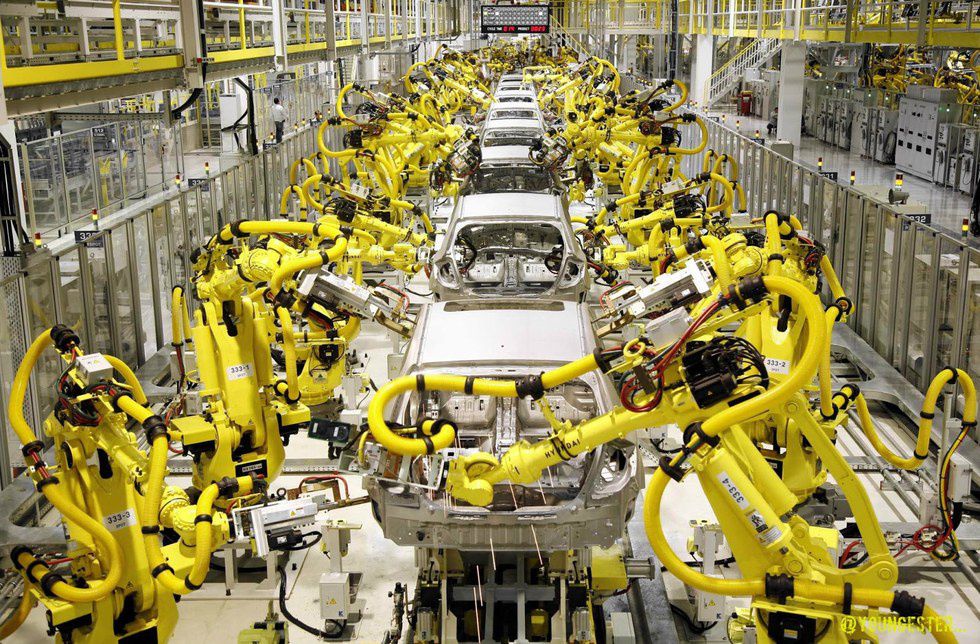
A study by the Bank of America suggests that by 2025, at least 45% of the manufacturing jobs in the United States will be replaced with robots, and a significant portion of other jobs will be in danger of being replaced by increasingly intelligent computers.While significantly cheaper labor is certainly good for the companies and may lead to lower prices for material goods, that doesn't exactly help the thousands, if not millions of people who may very well lose their jobs to machines.
While some people are beginning to worry about the implications of this "new industrial revolution", others are suggesting that these concerns are misplaced. Michael Jones, an assistant professor in economics at the University of Cincinnati, claims that these people are "New Luddites" and are "Crying Wolf". He suggests that while certain jobs, such as manufacturing, will decrease in availability, other jobs will open up to compensate, at the lowest and highest ends of the range of education.
Whatever happens, it's most likely going to happen faster than you might expect. Be on the lookout for future examples of robots taking industrial jobs from humans, and how that's going to affect the economy.
Unless the War with the Machines kills us all first, of course.






 man running in forestPhoto by