Is there anything Beyoncé can’t do? Okay, yes, I know. She can’t fly, she can’t walk on water and she can’t bring people back from the dead (well, not literally at least). But as someone who doesn’t necessarily consider herself an avid member of the Beyhive—don’t sting me—I have found myself completely mesmerized by anything Beyoncé does lately.
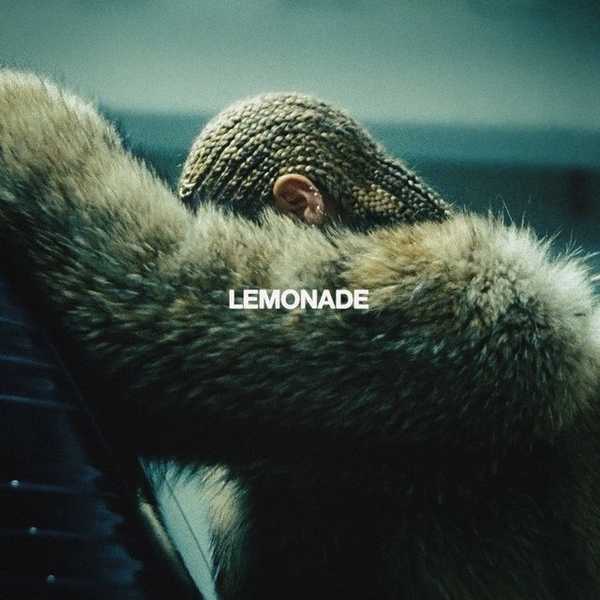
It all began when she blessed the world with the black girl magic that is “Formation," but no, that was not enough for Bey. On April 23, she bestowed upon us the magnificence that is “Lemonade." A visual album. Yes, you read that right. A VISUAL album. The album debuted in the form of a film that captures intricate music and beautiful imagery all in one. Some people, however, didn’t quite catch all the splendor in “Lemonade." But if you didn’t, I completely understand; it was a lot to take in.
So, from black girl magic all the way down to paying homage to her African heritage, here are some of the things you may have missed in Beyoncé’s “Lemonade."
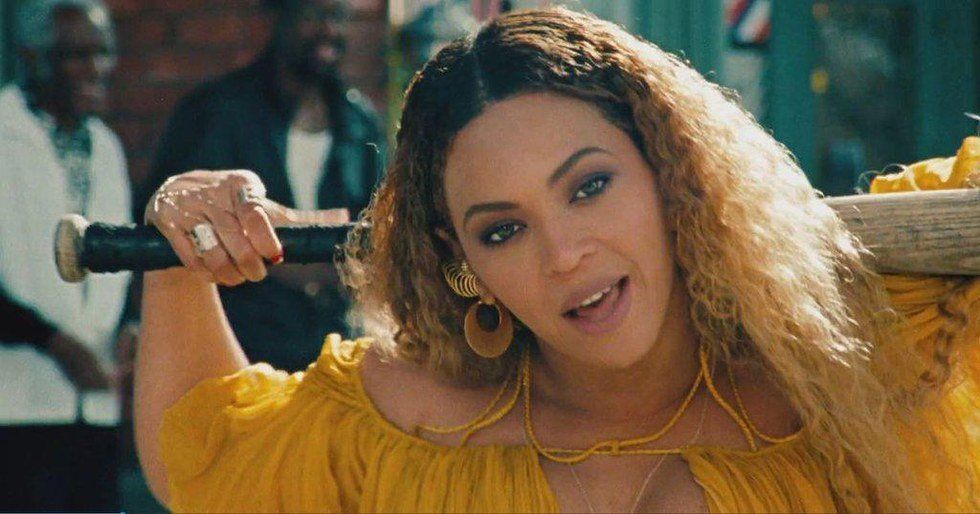
First, let’s discuss the iconic entrance she made at the beginning of “Hold Up." Though it seemed to be a typical Beyoncé-fashioned entrance, there was a little more to it. The “Hold Up” portion of the film depicts Beyoncé in a yellow, flowing sundress prancing down the street as she destroys nearly everything in her path with a baseball bat, which was labeled “Hot Sauce," if I might add (“I got hot sauce in my bag," don’t forget). Many believe that Beyoncé was actually portraying the Yoruba Orisha, Oshun. Lots of unfamiliar words there, so let’s break it down.
Yoruba: an African ethnic group that lives in southwestern Nigeria and Benin.
Orisha: a pantheon of 401 gods are referred to as “Orisha” in the traditional Yoruba religion.
Oshun: the goddess that Beyoncé depicts in the film.
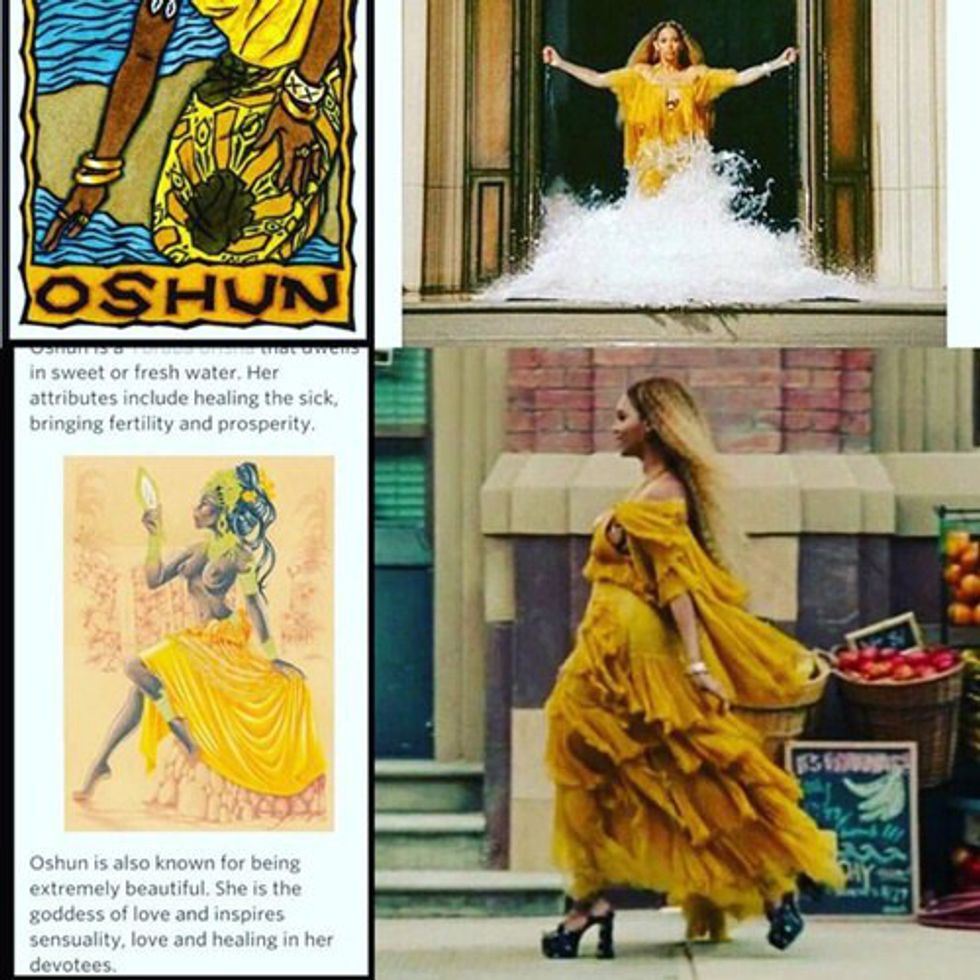
Oshun is a water goddess (hence the entrance with the gushing waters) who is also the goddess of beauty, love, and wrath. Oshun is apparently the Orisha who has suffered the most, including abuse and loss. She is sometimes depicted seeking wrath on those who have her hurt while laughing, as we see Beyoncé doing in the film. Got it? Moving on.
Along with the goddess Oshun, Beyoncé had a number of African references throughout the film. From the clothing to the face painting, to the African spirituality that was represented, the video just oozed African excellence. The bus ride scene in “Sorry” is said to depict a transition into the afterlife. And in “Don’t Hurt Yourself,” Bey flaunts voodoo priestess face paint while encircled by fire. Although “Formation” was not featured in the visual album (probably because we’re still not over that gloriousness), that music video did feature both African-style clothing, as well as traditional southern-style clothing. Also, let’s not forget that Beyoncé gave us major Queen Nefertiti vibes, okay?

"Lemonade" also features snippets of a speech given by the late Malcolm X. He is quoted saying:
“The most disrespected woman in America is the black woman. The most unprotected person in America is the black woman. The most neglected person in America is the black woman.”
Those words were spoken in 1962 and, sadly, still have relevance today. What made those words even more powerful is that as they were being said, images of black women of all ages flashed across the screen. Those words are also from the poem titled “Who Taught You to Hate Yourselves." And if “Lemonade” doesn’t depict both the struggles and beauty of black women, then please tell me, what does?
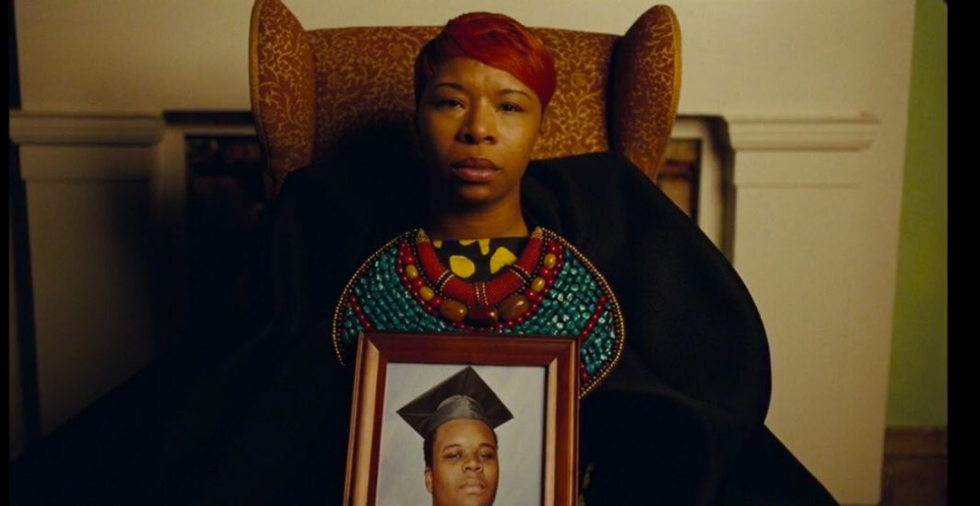
One of the hardest moments to sit through were the images that showed Sybrina Fulton, Gwen Carr, and Lesley McSpadden—who became the mothers of the Black Lives Matter movement when their unarmed children were killed. The mothers sat in chairs, staring solemnly at the camera as they held pictures of their lost boys. Since “Formation," Beyoncé has been letting us know that she is here for the Black Lives Matter movement as well. No justice, no peace.
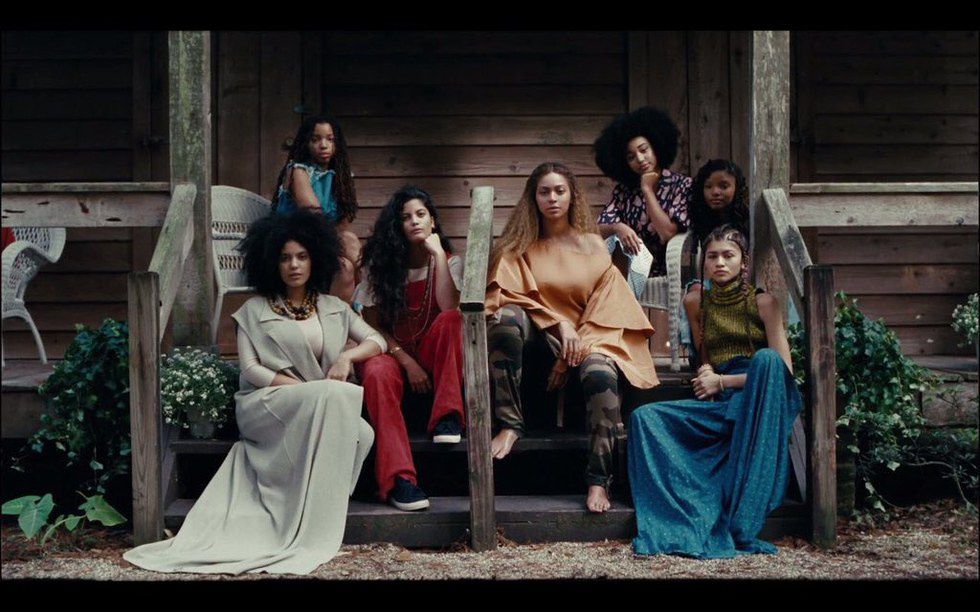
Throughout the video Beyoncé also reminds us that she called us to get in formation back in February, and many (including myself) have followed suit. There are dozens of images of women “in formation” in the film. During “Love Drought," Bey holds hands in line with women as they walk through water in white dresses, symbolizing her journey toward healing. Not to mention the star-studded crew she had with her near the end of the film. Spokeswomen of black girl magic, Zendaya, Quevenzhané Wallis, Amandla Stenberg, Winnie Harlow, and many others all joined Beyoncé in this epic film. Oh, and I know you didn’t miss Serena Williams. Beyoncé brought together some of the most powerful women of our time for such an amazing purpose.
During the film, Beyoncé recites the recipe for her grandmother’s homemade lemonade; the recipe was passed down from her grandmother to her daughter, and so forth. This could symbolize how the women in her family each passed down the trait of overcoming hardships and trials in life, e.g. making lemonade.
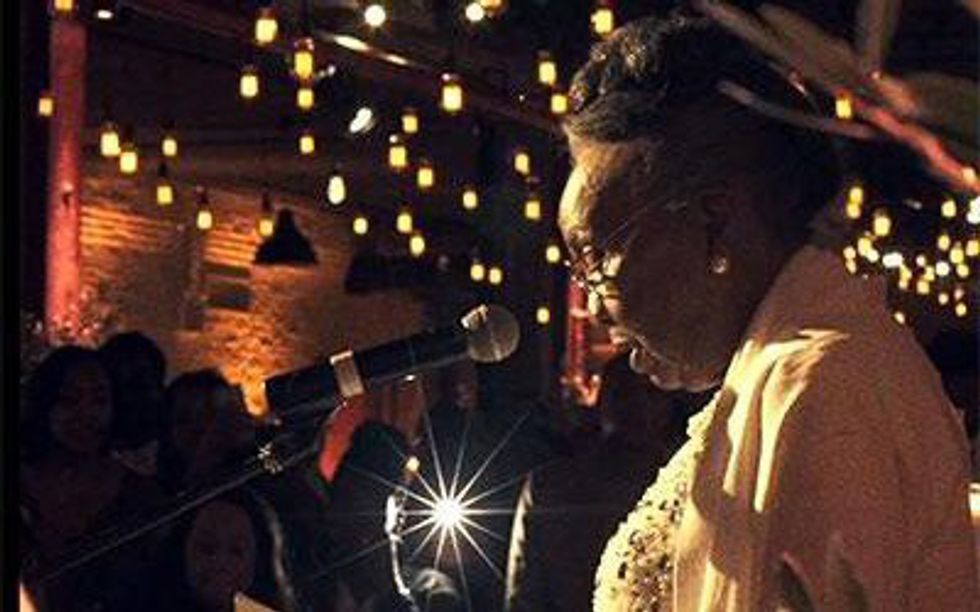
We even have a cameo from Jay Z’s grandmother, Hattie, at her 90th birthday party, who is quoted saying:
“I was given lemons, and I made lemonade.”
And there you have it. “Lemonade” was born.
The visual album takes us through Beyoncé’s mournful, yet beautiful 11 stages of grief—intuition, denial, anger, apathy, emptiness, accountability, reformation, forgiveness, resurrection, hope and redemption. And each chapter had us—because I know it wasn’t just me—begging for more. Through her use of poetry, diverse music styles, and incredible imagery, Beyoncé took us along with her on a journey of betrayal and healing. All the while, showing us that, she too feels real pain. In true Beyoncé style she has—once again—rocked the world, portraying more realness, beauty, pain, and black girl magic than I think we could all handle.